




Introduction
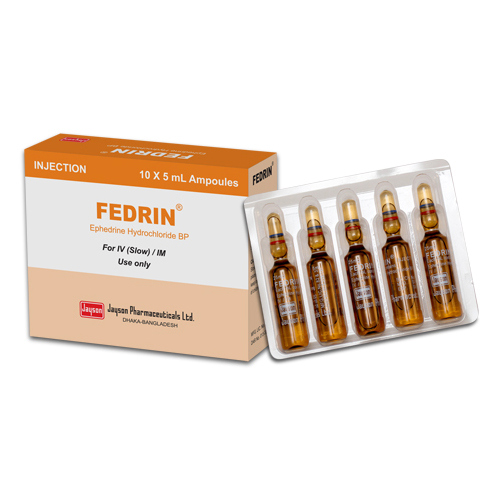
G-Ephedrine is used to treat the low blood pressure commonly seen following spinal anesthesia. It raises blood pressure by narrowing the blood vessels of the heart. G-Ephedrine is administered under the supervision of a doctor. Your doctor will decide the dose and duration of the medicine for you. You should continue all your other medicines that are advised by the doctor for your long-term treatment even after this injection. Your doctor may advise for regular monitoring of blood pressure while you are taking this medicine. It may cause side effects like high blood pressure and insomnia (difficulty in sleeping). This medicine may not be suitable for some people. You must inform the doctor if you are suffering from diabetes, liver, heart or kidney disease. Also, let your doctor know about all the other medications that you are using regularly. This medicine is not usually recommended during pregnancy or breastfeeding, so always consult your doctor before taking it.
_
Uses of G-Ephedrine
Hypotension following spinal anesthesia
Side effects of G-Ephedrine
Common
Systemic hypertension (high blood pressure)
Insomnia (difficulty in sleeping)
How to use G-Ephedrine
Your doctor or nurse will give you this medicine. Kindly do not self administer.
How G-Ephedrine works
G-Ephedrine works on the blood vessels and increases the blood flow to heart and lungs, thereby improving the disease condition.
What if you forget to take G-Ephedrine?
If you miss a dose of G-Ephedrine, please consult your doctor.
Quick Tips
It is usually given as a slow injection into your veins by a doctor or healthcare professional.
Inform your doctor if you are pregnant, planning pregnancy or breastfeeding.
Inform your doctor if you are taking or have recently taken medication to treat severe depression.
Brief Description
Indication
Bronchial asthma, Hypotension, Diabetic neuropathic oedema
Administration
May be taken with or without food. IV Preparation Must be diluted before administration as an IV bolus to 5 mg/mL by withdrawing 50 mg (1 mL) dilute with 9 mL 0.9% NaCl or D5W
_
Adult Dose
Oral Acute bronchospasm Adult: As ephedrine HCl: 15-60 mg tid. Max: 150 mg/day. Diabetic neuropathic oedema 30-60 mg 3 times/day. Elderly: Initial: 50% of adult dose. Parenteral Reversal of spinal or epidural anaesthesia-induced hypotension Adult: As ephedrine HCl: 3-6 mg by slow IV inj every 3-4 min as required. Max total dose: 30 mg. Elderly: Same as adult dose.
_
Child Dose
Oral Acute bronchospasm Child: As ephedrine HCl: 1-5 yr 15 mg tid; 6-12 yr 30 mg tid; >12 yr Same as adult dose. Parenteral Reversal of spinal or epidural anaesthesia-induced hypotension Child: 0.5 mg/kg or 16.7 mg/m2 4-6 hrly by SC or IM inj or alternatively, 0.75 mg/kg or 25 mg/m2 4 times daily by SC or IV inj.
_
Contraindication
Hypersensitivity. Hypertension, thyrotoxicosis, BPH. Lactation.
Mode of Action
Ephedrine has both alpha- and beta-adrenergic acitivity with pronounced stimulating effects on the CNS. It increases cardiac output, induces peripheral vasoconstriction, bronchodilation, reduces intestinal tone and motility, and relaxes the bladder while contracting the sphincter muscle. It also has stimulant action on the resp center and dilates the pupil witho affecting light reflexes.
Precaution
Ischaemic heart disease, hyperthyroidism, diabetes mellitus, hypertension, angle-closure glaucoma, renal impairment; prostatic enlargement; pregnancy, elderly. Lactation Unknown if excreted in breast milk
_
Side Effect
Gastrointestinal disorders: Nausea, vomiting Cardiac disorders: Tachycardia, palpitations (thumping heart), reactive hypertension, bradycardia, ventricular ectopics, heart rhythm/rate variability Nervous system disorders: Dizziness Psychiatric disorders: Restlessness Potentially Fatal: Delusions, hallucinations. Seen with hypersensitivity and overdosage. Acute CNS and CVS stimulation presenting as vomiting, fever, hypertension, psychosis. Cardiac arrhythmias.
_
Pregnancy Category Note
Pregnancy Ephedrine crosses the placenta; used at deliver for prevention and/or treatment of maternal hypotension associated with spinal anesthesia Fetal/neonatal adverse reactions Cases of potential metabolic acidosis in newborns at delivery with maternal ephedrine exposure have been reported in the literature These reports describe umbilical artery pH of ?7.2 at the time of delivery Monitor newborn for signs and symptoms of metabolic acidosis Monitoring of infant’s acid-base status is warranted to ensure that an episode of acidosis is acute and reversible Lactation Unknown if excreted in breast milk
_
Interaction
Reduces antihypertensive effect of bethanidine and guanethidine. May increase clearance of dexamethasone. Increased incidence of adverse effects when used with theophylline. Potentially Fatal: Severe HTN when combined with MAOIs or withi 2 wk of discontinuance of MAOI treatment. Increased risk of arrhythmias with cardiac glycosides, quinidine or tricyclic antidepressants. Increased vasoconstriction or pressor effects with ergot alkaloids or oxytocin.
_



Reviews
Clear filtersThere are no reviews yet.