


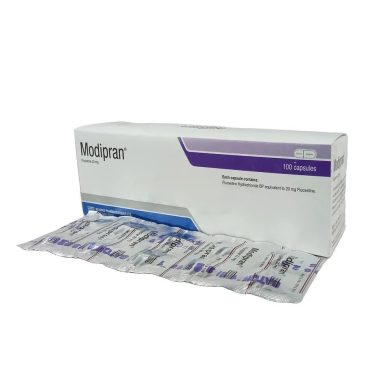


Medicine Overview of Stopain 25mg Tablet
Stopain is a pain relieving medicine. It is used to manage persistent, moderate to severe chronic pain that requires continuous, around-the-clock treatment for an extended period of time.
Stopain is generally administered by a healthcare professional. You should not self-administer this medicine at home. The dose and duration will depend on what you are taking it for and how well it helps your symptoms.
The most common side effects of this medicine include injection site reactions (such as pain, redness, and swelling), headache, drowsiness, fatigue, vomiting, constipation, dry mouth, and sweating. If any of these side effects persist or get worse, you should let your doctor know. Your doctor may be able to suggest ways of preventing or reducing the symptoms.
Before using it, you should let your doctor know if you have problems with your heart, liver, or kidneys. Let your doctor also know about all the other medicines you are taking because they may affect, or be affected by, this medicine.
If you are pregnant or breastfeeding, it is important to ask the advice of your doctor before taking this medicine. Your doctor may also regularly monitor your kidney function, liver function, and levels of blood components if you are taking this medicine for long-term treatment.
- Moderate to severe pain
- Headache
- Dizziness
- Sleepiness
- Vomiting
- Nausea
- Constipation
-
Use Stopain as instructed by your doctor. Never take in greater amounts or more often than prescribed.
-
It causes sleepiness or drowsiness. If this happens to you, do not drive or use machinery.
-
Avoid consuming alcohol when taking the Stopain, as it may cause excessive sleepiness or drowsiness.
-
Inform your doctor if you have ever been diagnosed with kidney or liver problems.
-
Store opioid pain relievers in a safe place and out of reach of others.
Oral
Moderate to severe pain
Adult: 50-100 mg every 3-4 hrs; max 600 mg daily.
Hepatic impairment: Reduce dose or avoid in liver disease.
Oral
Moderate to severe pain
Child: 6-12 yr: 25 mg every 3-4 hr.
Renal impairment:
CrCl (ml/min) Dosage Recommendation
10-50 75% normal dose.
<10 50% normal dose.
May precipitate withdrawal in narcotic addicts. Impaired respiratory, renal and hepatic function; morbidly obese patients; thyroid dysfunction; prostatic hyperplasia or urinary stricture; biliary tract impairment; adrenal insufficiency (including Addison’s disease); abdominal conditions. Elderly or debilitated patients; seizure-prone patients; children and infants (safety and efficacy not established in <1 yr); lactation. May impair ability to drive or operate machinery. Administer IM rather than SC (when frequent inj are needed) and inj sites should be varied.
Lactation: unknown if excreted in breast milk, use caution
Physical dependence; sedation, dizziness, euphoria, lightheadedness, alterations of mood; respiratory depression; visual hallucinations, disorientation, confusion; hypertension, tachycardia, circulatory depression; shock; hypotension; nausea, vomiting, constipation; seizures, diaphoresis; rash; blood dyscrasias; local tissue damages (SC), muscle fibrosis (IM).
Potentially Fatal: Respiratory depression, hypotension, circulatory failure, deepening coma, convulsions.



Reviews
Clear filtersThere are no reviews yet.