




Medicine Overview of Misopa 100 100mcg Tablet
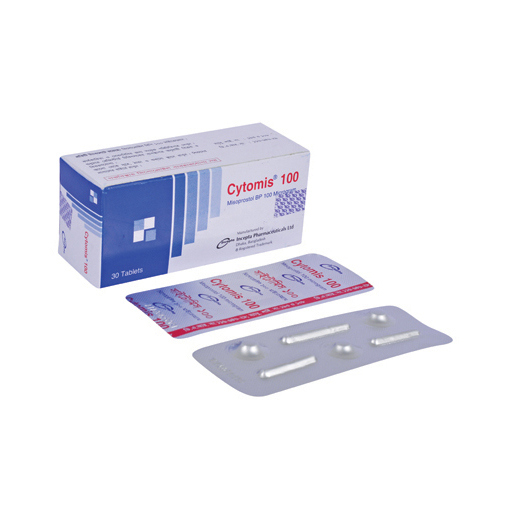
Misopa 100 is a medicine used for medical abortion (terminating a pregnancy). It is also used for preventing excessive bleeding after delivery. This medicine acts on the uterus and increases its contraction.
Misopa 100 is given alone or in combination with some other medicine to attain the maximum benefit. It should be taken with food or as your doctor’s advice. It should be taken orally, by swallow the tablets whole with a drink of water. If you experience vomiting within 30 minutes of tablet intake, inform your doctor or take another tablet. The medicine may take 24 hours to show its action and you experience bleeding.
The most common side effects of this medicine include nausea, Vomiting, Uterine cramps, Diarrhea, Infection following abortion, Uterine bleeding. If these bother you, or appear serious, let your doctor know. There may be ways of reducing or preventing them. Usually, vaginal bleeding may last for 12 days, inform your doctor if it lasts for more than 12 days or you notice severe abdominal pain.
Before taking this medicine, tell your doctor if you have ever had an ectopic pregnancy, or you are breastfeeding or using an intrauterine device. Your doctor should also know about all other medicines you are taking as many of these may make this medicine less effective or change the way it works. You must avoid strenuous activity like heavy exercise, running and driving while abortion as it can affect the bleeding. Your doctor may perform an ultrasound or pelvic examination to check for abortion completion.
- Medical abortion
- Post-delivery bleeding
- Menorrhagia (heavy menstrual bleeding)
- Vomiting
- Nausea
- Uterine contractions
- Diarrhea
- Stomach cramp
-
Misopa 100 helps terminate pregnancy when used along with another medicine called mifepristone.
-
It may also be used to prevent excessive bleeding after delivery.
-
For pregnancy termination:
-
Use caution while driving or doing anything that requires concentration as it can cause dizziness and sleepiness.
-
It does not affect fertility. Use contraception to avoid pregnancy.
NSAID-Induced Ulcer
Adult: Benign gastric and duodenal ulceration and NSAID associated ulceration:
800 mcg daily (in 2-4 divided doses) with breakfast or main meals and at bedtime; treatment should be continued for at least 4 weeks and may be continued for up to 8 weeks if required.
Prophylaxis of NSAID induced gastric and duodenal ulcer:
200 mcg 2-4 times daily taken with NSAID. If this dose cannot be tolerated, a dose of 100 mcg can be used. Misoprostol should be taken for the duration of NSAID therapy
Induction of labor:
100 mcg taken orally. If cervical ripening or active labor does not occur, repeated dose of 100- 200 mcg of oral misoprostol is given every 4 hourly until labor is established (as evidenced by a Bishop score of 7 or more). Maximum number of dose is 6.
Termination of pregnancy
Day 1: 200 mg of mifepristone PO as a single dose under physician supervision
Days 2-3: 800 mcg of misoprostol buccally once as a single dose; must be administered a minimum of 24-hr and a maximum of 48-hr following mifeprostone dose on day 1
Days 7-14
Must return for follow-up visit to confirm complete termination has occurred by medical history, clinical examination, hCG testing, or ultrasonographic scan
If complete expulsion has not occurred, but the pregnancy is not ongoing, women may be treated with another dose of misoprostol 800 mcg buccally with follow-up in ~7 days
Lack of bleeding following treatment usually indicates failure; however, prolonged or heavy bleeding is not proof of a complete abortion
Surgical evacuation is recommended to manage ongoing pregnancies after medical abortion
Prevention of postpartum haemorrhage:
600 mcg orally immediately following delivery.
In case of prevention and treatment of NSAID induced gastric and duodenal ulcer: Misoprostol is contraindicated in women who are pregnant, and should not be used in women of child bearing potential unless the patient requires NSAID therapy. Women of child bearing potential should be told that they must not be pregnant when Misoprostol therapy is initiated and they must use an effective contraception method while taking misoprostol. Conditions where hypotension might precipitate severe complications e.g. cerebrovascular or CV disease. Inflammatory bowel disease. Patients prone to dehydration. Elderly. Renal impairment.
Lactation: Drug is rapidly metabolized in mother to misoprostol acid, which is biologically active and is excreted in breast milk; although no published reports of adverse effects of misoprostol in breast-feeding infants exist, caution should be exercised when misoprostol is administered to breastfeeding women
>10%
Diarrhea (14-40%),Abdominal pain (13-20%)
1-10%
Headache (2%)
Frequency Not Defined
Anaphylaxis,Anemia,Cardiac dysrhythmia,Chest pain,Flatulence,Gastrointestinal hemorrhage,Hearing loss,Myocardial infarction,Nausea
Rupture of uterus,Thromboembolic disorder


Reviews
Clear filtersThere are no reviews yet.