

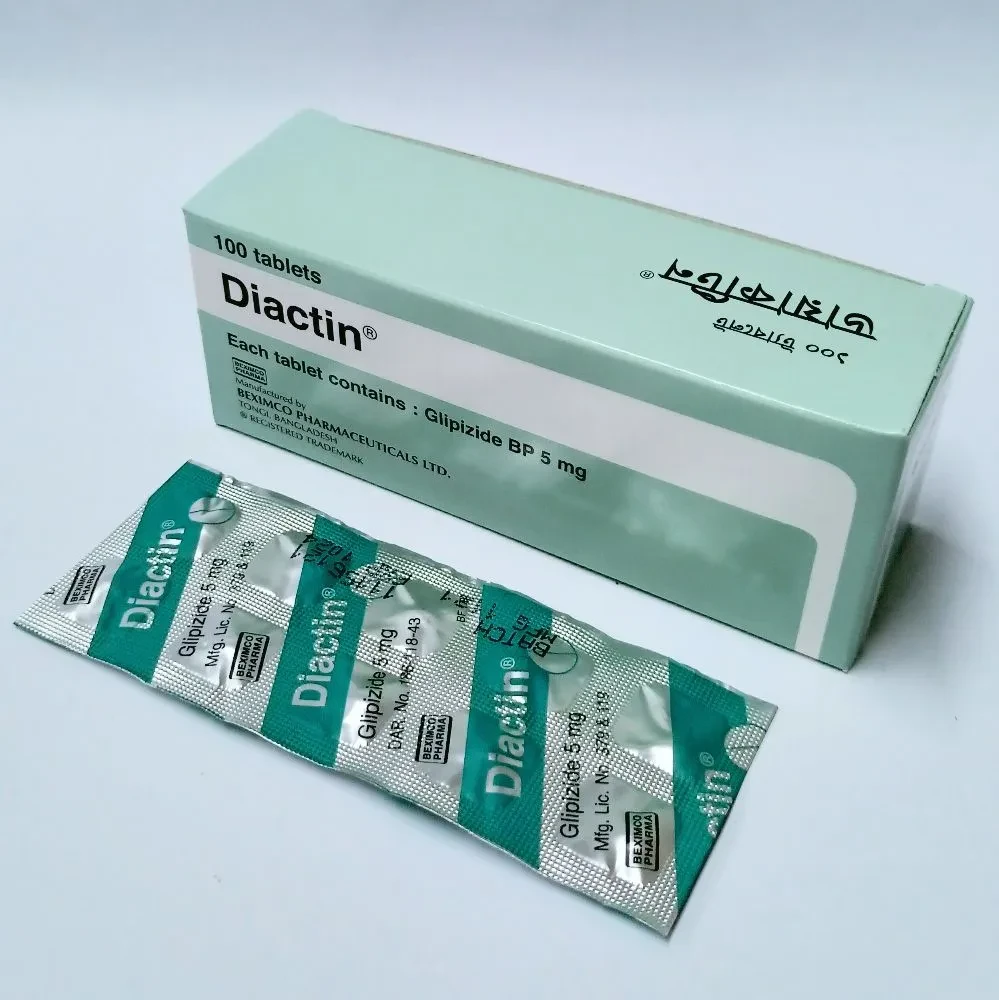

Medicine Overview of Diactin 5mg Tablet
Diactin 5 is a medicine used to treat type 2 diabetes mellitus in adults. It belongs to a group of medicines called sulfonylureas and helps control blood sugar levels in people with diabetes. This helps to prevent serious complications of diabetes like kidney damage and blindness.
Diactin 5 may be used by itself or along with other medicines. It should be taken on an empty stomach. Take it regularly at the same time each day to get the most benefit. Your doctor will decide what dose is best for you and this may change from time to time according to how it is working.
Keep taking this medicine, even if you feel well or your blood sugar levels are controlled. If you stop it without consulting your doctor, your blood sugar levels could rise and put you at risk of kidney damage, blindness, nerve problems and loss of limbs. Remember that it is only part of a treatment program that should also include a healthy diet, regular exercise, and weight reduction as advised by your doctor. Your lifestyle plays a big part in controlling diabetes.
The most common side effects of taking this medicine include diarrhea, nervousness, tremor, and flatulence. It can also sometimes cause low blood glucose levels (hypoglycemia). Make sure you recognize the signs of having low blood glucose levels, such as sweating, dizziness, headache, and shaking and know how to deal with it. To prevent this, it’s important to have regular meals and always carry a fast-acting source of glucose such as sugary food or fruit juice with you. Drinking alcohol can also increase your risk of low blood sugar levels and should be avoided. Some people may find that they put on weight with this medicine.
You should not take it if you have type 1 diabetes mellitus, if you have diabetic ketoacidosis (high levels of acid in your blood), or if you have severe kidney or liver disease. Before taking this medicine, tell your doctor if you have ever had heart disease, thyroid disease or some hormonal conditions. It may not be suitable. Pregnant or breastfeeding women should also consult their doctor before taking it. Your blood sugar levels should be checked regularly and your doctor may also advise blood tests to monitor your blood cell counts and liver function.
- Type 2 diabetes mellitus
- Dizziness
- Diarrhea
- Nervousness
- Tremor
- Hypoglycemia (low blood glucose level)
- Flatulence
-
Take it shortly before or with the first main meal of the day (usually breakfast). Avoid skipping meals.
-
Be careful while driving or operating machinery until you know how Diactin 5 affects you.
-
It can cause hypoglycemia (low blood sugar level) when used with other antidiabetic medicines, alcohol or if you delay or miss a meal.
-
Always carry some sugary food or fruit juice with you in case you experience hypoglycemic symptoms such as cold sweats, cool pale skin, tremor and anxiety.
-
Your doctor may check your liver function regularly. Inform your doctor if you develop symptoms, such as abdominal pain, loss of appetite, or yellowing of the eyes or skin (jaundice).
Immediate-release: Should be taken on an empty stomach. Take ½ hr before meals.
Extended-release: Should be taken with food. Swallow whole, do not chew/crush/divide.
Oral
Type 2 diabetes mellitus
Adult: Initially, 2.5-5 mg daily as a single dose. Adjust at intervals of several days in increments of 2.5-5 mg daily.
Doses >15 mg may be given in 2 divided doses. Max: 40 mg daily.
Extended-release tablets
Initial: 5 mg/day PO given with breakfast; dose adjustment based on blood glucose should not be done more frequently than every 7 days
Maintenance range: 5-10 mg PO qDay; not to exceed 20 mg/day
Elderly:
2.5 mg PO qDay initially; increase by 2.5-5 mg/day every 1-2 weeks as determined by blood glucose response at intervals of several days
May switch to extended release once daily tablets at the nearest equivalent total daily dose or lower end of recommended range; not to exceed 20 mg/day
Hepatic impairment: 2.5 mg PO qDay initially (immediate release); extended release not studied
Severe: Contraindicated.
Renal impairment: Not studied; if GFR <50 mL/min, may decrease dose by 50%
Severe: Contraindicated.
Hypoglycaemia, stress, elderly. Thyroid impairment; moderate hepatic or renal impairment. Monitor blood glucose concentration.
Lactation: Not known if crosses into breast milk; not recommended
GI upsets, diarrhoea, nausea; allergic skin reactions, leucopenia, thrombocytopenia, agranulocytosis, hyponatraemia; jaundice; haemolytic anaemia, pancytopenia.
Potentially Fatal: Hypoglycaemia in presence of renal or hepatic damage and alcohol.




Reviews
Clear filtersThere are no reviews yet.