



Introduction
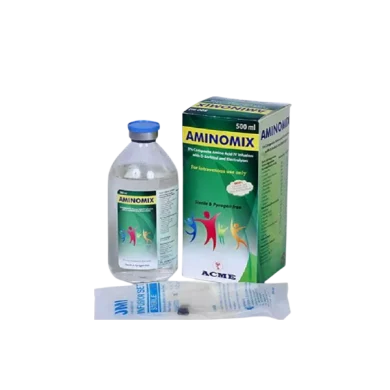
Aminoplex are organic compounds that are chained together to form proteins. It is used to treat protein deficiencies. It promotes nitrogen-balancing in the body, also replenishes the protein reserve of the body in extensive burns or protein-calorie malnutrition. Aminoplex is given under the supervision of a healthcare professional. Take it in a dose and duration as advised by the doctor. The full course of treatment should be completed as per prescription. This medicine may cause injection site inflammation (redness, swelling, and pain), acute folic acid deficiency, fever, and increased sweating as its side effects. It is better to consult with your doctor if any of the side effects bother you. This medicine may also cause metabolic and liver disorders, that is why it is important to undergo regular clinical evaluations and laboratory tests (blood and urine) to know the effects and side effects of this medicine on your organs. Before initiating this treatment, you must consult your doctor if you have any health conditions or your ongoing medications. Pregnant and breastfeeding women should only take this medicine if advised by the doctor.
_
Uses of Aminoplex
Nutritional deficiencies
Side effects of Aminoplex
Common
Folic acid deficiency
Chills
Fever
Flushing (sense of warmth in the face, ears, neck and trunk)
Increased sweating
Metabolic disorder
Vomiting
Liver damage
How to use Aminoplex
Your doctor or nurse will give you this medicine. Kindly do not self administer.
How Aminoplex works
The amino acids are an essential element in the diet. The catabolism of Amino acid initiates in muscle and yields NADH and FADH2 which can be utilized for ATP generation.
Brief Description
Indications
Parenteral Amino Acid supply in severe forms of hepatic failure (liver insufficiency) with and without encephalopathy. For supply of Amino Acid as part of a parenteral nutrition regimen when oral or enteral nutrition is impossible or insufficient or contraindicated.
Composition
1000 ml contains: L-Isoleucine: 10.40 gm L-Leucine: 13.09 gm L-Lysine monoacetate: 9.71 gm L-Lysine 6.88 gm L-Methionine 1.1 gm Acetylcysteine 0.70 gm L-Cysteine 0.52 gm L-Phenylalanine 0.88 gm L-Threonine 4.40 gm L-Tryptophan 0.70 gm L-Valine 10.08 gm Arginine 10.72 gm L-Histidine 2.80 gm Aminoacetic acid 5.82 gm L-Alanine 4.64 gm L-Proline 5.73 gm L-Serine 2.24 gm Glacial acetic acid 4.42 gm Water for Injections q.s.
Dosage & Administration
For intravenous infusion. Usual dose: 1.0 to 1.25 ml/kg/hour. Max. dosage: 1.5 g amino acids/kg/day = 1300 ml/day at 70 kg body weight. Constant checking of serum electrolytes, fluid balance and acid-base balance is mandatory. Amino Acid 8% is used as long as required by therapy.
Interaction
Because of the increased risk of microbiological contamination and incompatibilities, Aminosteril N-Hepasteril N-Hepa solutions should not be mixed with other drugs. Should it become necessary to add other nutrients like carbohydrates, lipid emulsions, electrolytes, vitamins or trace elements to Aminosteril N-Hepasteril N-Hepa 8% for complete nutrition, care should be given to hygienic admixing, good blending and, in particular, to compatibility.
Contraindications
Disturbance of amino acid metabolism, metabolic acidosis, fluid overload, hyponatremia, hypokalemia, renal insufficiency, decompensated cardiac insufficiency, shock, hypoxia. No specific studies have been performed to assess the safety of Amino Acid 8% in pregnancy and lactation.
Side Effects
Due to the special composition of Aminosteril N-Hepa, use in indications other than those recommended may result in Amino Acid imbalances and severe metabolic disorders.
Therapeutic Class
Parenteral nutritional preparations
Storage Conditions
Amino Acid should not be stored after the addition of other components. Do not store above 25°C. Do not freeze. Shelf Life: 36 months. Do not use Amino Acid after the expiry date. Do not use if the solution is cloudy or if the container is damaged. Keep out of the reach of children.
_




Reviews
Clear filtersThere are no reviews yet.