




Medicine Overview of Ancopan 20mg Tablet
Ancopan is used in the treatment of pain due to smooth muscle spasm. It relieves cramps in the stomach, intestine, bladder, and ureter. It also be used to relieve the symptoms of Irritable Bowel Syndrome (symptoms include abdominal pain, cramping, bloating, and diarrhea or constipation).
Ancopan is given by your doctor or nurse. You should keep taking this medicine for as long as your doctor recommends. If you stop treatment too early your symptoms may come back and your condition may worsen. Let your doctor know about all other medications you are taking as some may affect, or be affected by this medicine.
The most common side effects are blurred vision, increased heart rate, dryness in mouth, and dilatation of pupil. Most of these are temporary and usually resolve with time. Contact your doctor straight away if you are at all concerned about any of these side effects. This medicine may cause diarrhea, so it is better to take plenty of fluids while taking this medicine as it may help to prevent dehydration. It may also cause dizziness and sleepiness, so do not drive or do anything that requires mental focus until you know how this medicine affects you. Avoid drinking alcohol while taking this medicine as it can worsen your sleepiness.
Pregnant women should also consult their doctor before taking this medicine. Ancopan should be used with caution in patients with liver and kidney disease or alcohol abuse.
- Pain due to smooth muscle spasm
- Blurred vision
- Increased heart rate
- Dryness in mouth
- Diarrhea
- Dilatation of pupil
-
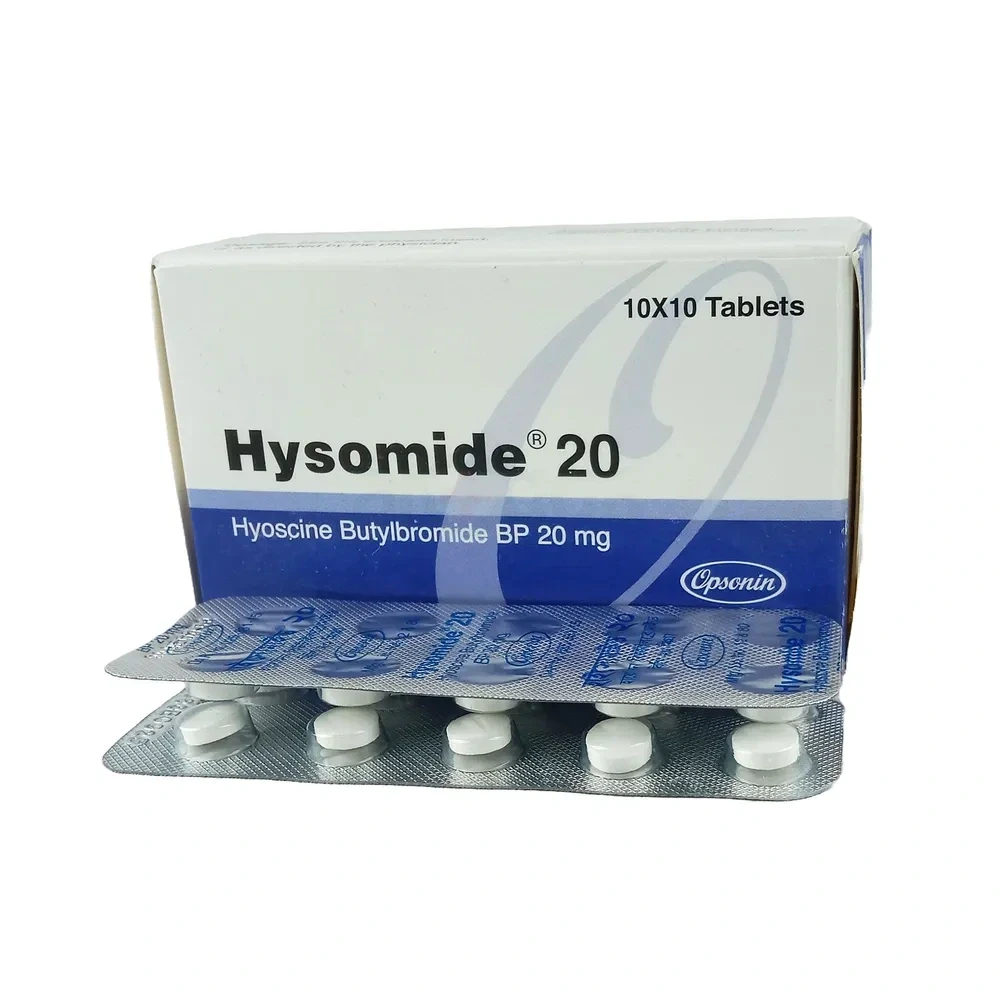
Do not take hyoscine if you are allergic to hyoscine or any of the other ingredient of the tablet or solution.
-
Do not drive or operate machinery immediately after taking hyoscine as it may cause drowsiness.
-
Consult your doctor before taking hyoscine, if you have a history of heart problems like heart failure or fast heart rate; an overactive thyroid; fever, constipation or difficulty while urinating.
Oral
Gastrointestinal tract spasm; Genitourinary spasm
Adult: 20 mg 4 times daily.
Parenteral
Gastrointestinal tract spasm; Genitourinary spasm
Adult: 20 mg IM/IV repeated after 30 min if needed.
Max Dosage: 100 mg daily.
Oral
Gastrointestinal tract spasm; Genitourinary spasm
Child: 6-12 yr: 10 mg tid.
Flushing, postural hypotension, tachycardia, fibrillation. Rarely psychotic reactions. Dizziness, drowsiness, fatigue, headache, memory loss. Dry skin, erythema, increased sensitivity to light, rash. Bloatedness, constipation, dry throat, dysphagia, nausea, vomiting, xerostomia. Dysuria, urinary retention. Tremor, weakness. Impaired accommodation, blurred vision, cycloplegia, dryness, narrow-angle glaucoma, increased intraocular pain, itching, photophobia, pupil dilation. Dry nose. Decreased diaphoresis, heat intolerance. Ophthalmic: Somnolence, dermatitis, oedema, exudate, follicular conjunctivitis, increased IOP, local irritation, photophobia, vascular and respiratory congestion.
Potentially Fatal: CNS depression, coma, circulatory and respiratory failure.
Additive sedative effects with alcohol or other CNS depressants. Reduced effects with acetylcholinesterase inhibitors (donepezil, galantamine, rivastigmine, tacrine).
Potentially Fatal: Effect potentiated by other anticholinergic drugs and TCAs.


Reviews
Clear filtersThere are no reviews yet.