




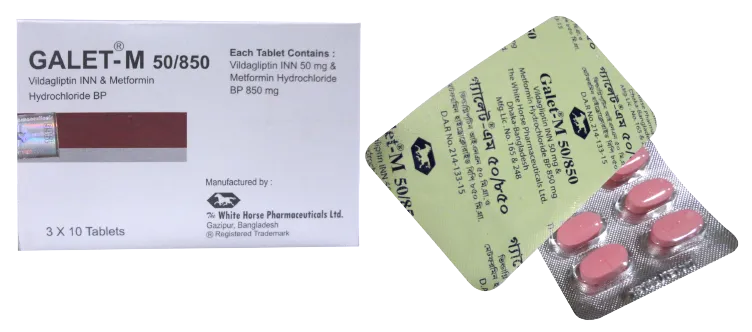
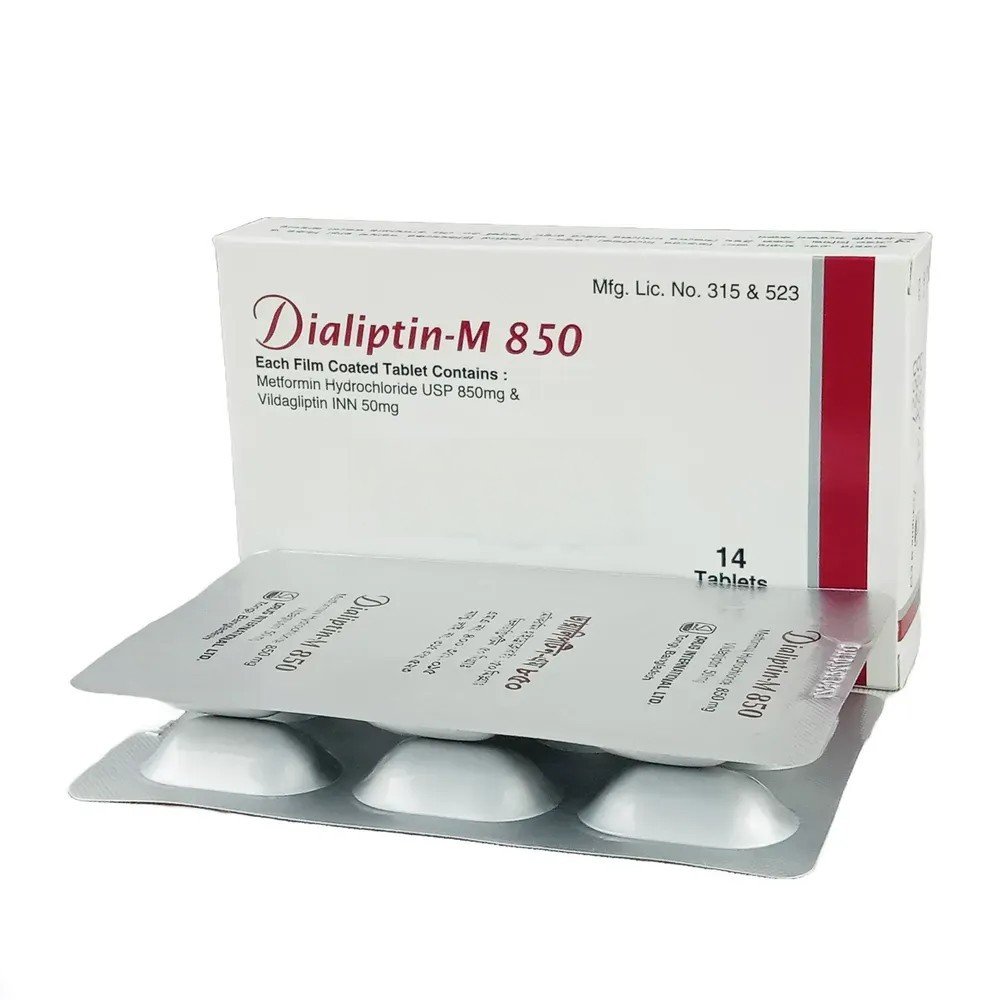
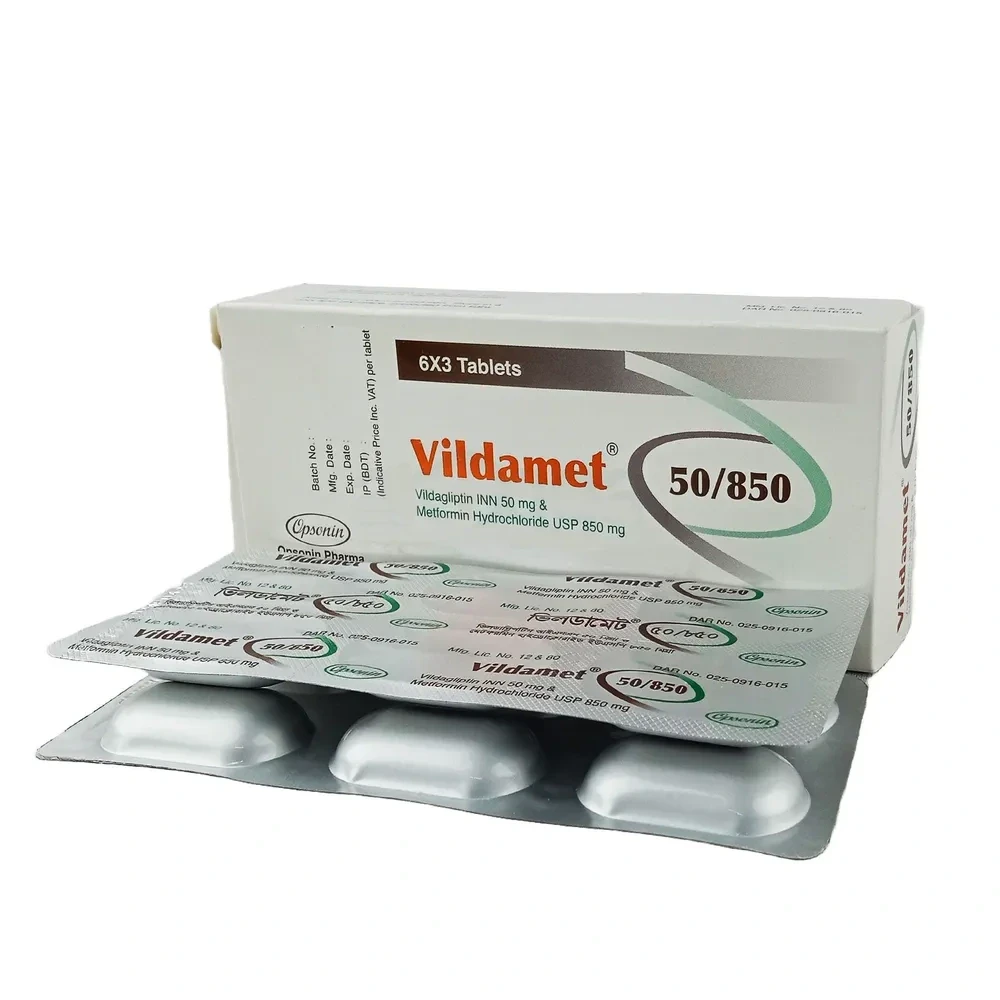
Medicine Overview of Aptin M 850mg+50mg Tablet
Aptin M 850 is a combination of two medicines that control high blood sugar levels in people with type 2 diabetes mellitus. This helps prevent serious complications of diabetes such as kidney damage and blindness and may reduce your chance of having a heart attack or stroke.
Aptin M 850 can be prescribed alone or together with other diabetes medications. All diabetes medicines work best when used along with a healthy diet and regular exercise. The dose you are given will depend on your condition, blood sugar levels and what other medicines you are taking. Taking it with meals helps to reduce the chances of developing an upset stomach.
You should take it regularly, at the same time each day, to get the most benefit and you should not stop unless your doctor recommends it. It is controlling your blood sugar levels and helping to prevent serious complications in the future. It is important to stay on the diet and exercise program recommended by your doctor while taking this medicine. Your lifestyle plays a big part in controlling diabetes.
The most common side effects of taking this medicine include diarrhea, nausea, vomiting, upset stomach, headache, and sore throat. Low blood sugar level (hypoglycemia) is a possible side effect if you are also taking other diabetes medicines like insulin or sulphonylurea, so you need to know how to recognize and deal with it.
This medicine is not suitable for everyone. Before taking it, you should let your doctor know if you have ever had kidney, liver or heart disease, problems with your pancreas, or if you drink a lot of alcohol. Pregnant or breastfeeding women should also consult their doctor before taking this medicine. Some other medicines can affect this one so tell your doctor about all the medicines you are taking to make sure you are safe. You should try to avoid drinking alcohol as it lowers blood glucose. Your doctor will check your kidney function and blood sugar levels before and during treatment.
Show less
- Type 2 diabetes mellitus
- Nausea
- Vomiting
- Diarrhea
- Stomach pain
- Loss of appetite
- Dizziness
- Headache
- Trembling
- Metallic taste
- Hypoglycemia (low blood glucose level)
-
Take it with food to lower your chance of having an upset stomach.
-
Chances of weight gain and low blood sugar are lesser as compared to other diabetes medicines.
-
Inform your doctor about your diabetes treatment if you are due to have surgery under a general anaesthetic.
-
Tell your doctor immediately if you experience any deep or rapid breathing, persistent nausea, vomiting, and stomach pain as Aptin M 850 may cause a rare but serious condition called lactic acidosis, which is an excess of lactic acid in the blood.
-
Your doctor may check your kidney and liver function before starting treatment and regularly thereafter. Inform your doctor if you develop symptoms such as abdominal pain, fatigue, loss of appetite, darkened urine or yellowing of the eyes or skin (jaundice).
Oral
Type 2 DM
Adults: Based on the patient’s current dose of Metformin, Combination of Vildagliptin & Metformin may be initiated at either 50 mg/500 mg or 50 mg/850 mg twice daily, 1 tab in the morning and the other in the evening.
The recommended maximum daily dose is 100 mg Vildagliptin plus 2000 mg Metformin HCl.
Patients receiving Vildagliptin and Metformin from separate tablets may be switched to Combination of Vildagliptin & Metformin containing the same doses of each component.
Hepatic impairment:
This combination is not recommended in patients with hepatic impairment including patients with a pre-treatment ALT or AST >3 X the upper limit of normal.
Show less
Not recommended in patients <18 years of age
Show less
Renal impairment:
This combination should not be used in patients with renal failure or renal dysfunction, e.g. serum creatinine levels > 1.5 mg/dL (>135 micro mol/L) in males and > 1.4 mg/dL (>110 micro mol/L) in females.
Show less
This combination is contraindicated in patients with known hypersensitivity to Vildagliptin or Metformin Hydrochloride or to any of the excipients. It is contraindicated in patients with renal disease or renal dysfunction, acute myocardial infarction, and septicaemia. It is also contraindicated in patients with congestive heart failure patients and in patients with acute or chronic metabolic acidosis, including diabetic ketoacidosis, with or without coma.
It should be temporarily discontinued in patients undergoing radiologic studies involving intravascular administration of iodinated contrast materials, because use of such products may result in acute alteration of renal function.
Show less
Metformin: Biguanide; acts by decreasing endogenous hepatic glucose production, decreases intestinal absorption of glucose, and improves insulin sensitivity by increasing peripheral glucose uptake and utilization; improves glucose tolerance and lowers both basal and postprandial plasma glucose .
Vildagliptin is a dipeptidylpeptidase-4 (DPP-4) inhibitor that improves glycaemic control by preventing DPP-4 from inactivating the incretin hormones glucagon-like peptide-1 and glucose-dependent insulinotropic polypeptide, thus prolonging incretin activity in response to ingestion of nutrients. This increases insulin sensitivity, decreases glucagon secretion and improves ?-cell function.
Show less
Lactic acidosis can occur due to Metformin accumulation. If metabolic acidosis is suspected, treatment should be discontinued and the patient should be hospitalized immediately. Patients with renal impairment & hepatic impairment.
Serum creatinine should be monitored at least once a year in patients with normal renal function and 2–4 times a year in patients with serum creatinine levels at the upper limit of normal and in elderly patients. Special caution should be exercised in elderly patients where renal function may become impaired (e.g. when initiating antihypertensives, diuretics or NSAIDs). It is recommended that Liver Function Tests (LFTs) are monitored prior to initiation of this drug, at three-monthly intervals in the first year and periodically thereafter.
Show less
Hypoglycaemia, delayed gastric emptying, nausea and vomiting. Flu-like symptoms, headache and dizziness may occur.
Potentially Fatal: Stevens-Johnson syndrome.
Show less
Additive effect w/ sulfonylureas. Thiazide diuretics, corticosteroids, phenothiazines, OC, sympathomimetics, niacin, Ca channel blockers and isoniazid may exacerbate loss of glycaemic control. ACE inhibitors may reduce fasting blood glucose concentrations. May increase serum level w/ cimetidine.
Potentially Fatal: Concurrent use w/ iodinated contrast agents may increase the risk of metformin-induced lactic acidosis.
Show less












Reviews
Clear filtersThere are no reviews yet.