


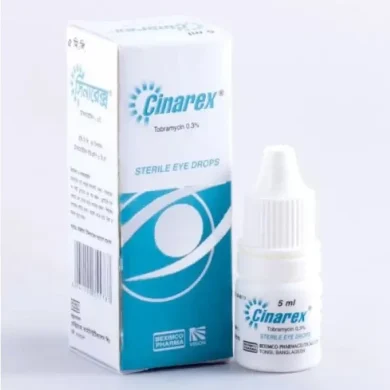


Medicine Overview of Azomid 10mg/ml Eye Drop
Azomid is a medicine used to reduce increased pressure in the eye, in people with glaucoma or ocular hypertension(high pressure in the eye). If the pressure in your eye is too high it can damage your sight. Azomid works by decreasing the amount of fluid inside the eye.
Never use Azomid if the seal is broken before you use it for the first time. Wash your hands before using it and shake the bottle well before each use. If you wear contact lenses, make sure you remove them before instilling and wait for at least 15 minutes before putting them back. Do not stop using this medicine without asking your doctor. Otherwise the pressure in your eye will not be controlled and this could damage your sight.
The most common side effects are blurred vision and bitter taste in your mouth. Sometimes people experience more general effects such as shortness of breath, dizziness, tiredness or heart palpitations. If your vision is blurred or you have other changes in sight for a time, do not drive until your vision is clear.
Do not use this medicine if you have severe kidney problems or are allergic to medicines called sulphonamides. Talk to your doctor before taking it if you have liver problems, dry eyes or cornea problems. This medicine is not recommended for women who are pregnant or breastfeeding. Do not use other eye medications unless your doctor tells you to.
- Glaucoma
- Ocular hypertension
- Bitter taste
-
Azomid helps lower high pressure in the eye and reduce the risk of vision loss.
-
For best results, put one drop 2-3 times daily in the affected eye(s).
-
Apply pressure on the corner of the eye (close to the nose) for about 1 minute, immediately after instilling the drop. This minimizes the risk of side effects.
-
Do not touch the tip of the dropper to any surface, or to your eye, to avoid contaminating the eye drops.
-
Remove contact lenses before using Azomid, and wait at least 15 minutes before re-inserting them.
-
When applying multiple eye medications, wait for at least 5-15 minutes before delivering the next medication in the same eye to avoid dilution of the medicine.
Open-angle glaucoma , ocular hypertension
Hepatic and renal impairment; pregnancy. Efficacy has not been established in angle-closure glaucoma. Ensure an interval of at least 10 minutes between admin of different ophthalmic solutions.
Lactation: Not known if distributed in breast milk; not recommedned (discontinue drug or do not nurse)
1-10%
Blurred vision (5-10%),Dysgeusia (5-10%),Blepharitis (1-5%),Dermatitis (1-5%),Dry eye (1-5%),Foreign body sensation (1-5%),Headache (1-5%),Hyperemia (1-5%),Ocular discharge (1-5%),Ocular discomfort (1-5%),Ocular keratitis (1-5%),Ocular pain (1-5%),Ocular pruritus (1-5%),Rhinitis (1-5%)
<1%
Allergic reactions,Alopecia,Chest pain,Conjunctivitis,Diarrhea,Diplopia,Dizziness,Dry mouth,Dyspnea,Dyspepsia,Eye fatigue,Hypertonia,Keratoconjunctivitis,Keratopathy,Kidney pain,Lid margin crusting or sticky sensation,Nausea,Pharyngitis,Tearing,Urticaria
Pregnancy Category: C
Lactation: Not known if distributed in breast milk; not recommedned (discontinue drug or do not nurse)




Reviews
Clear filtersThere are no reviews yet.