



Introduction
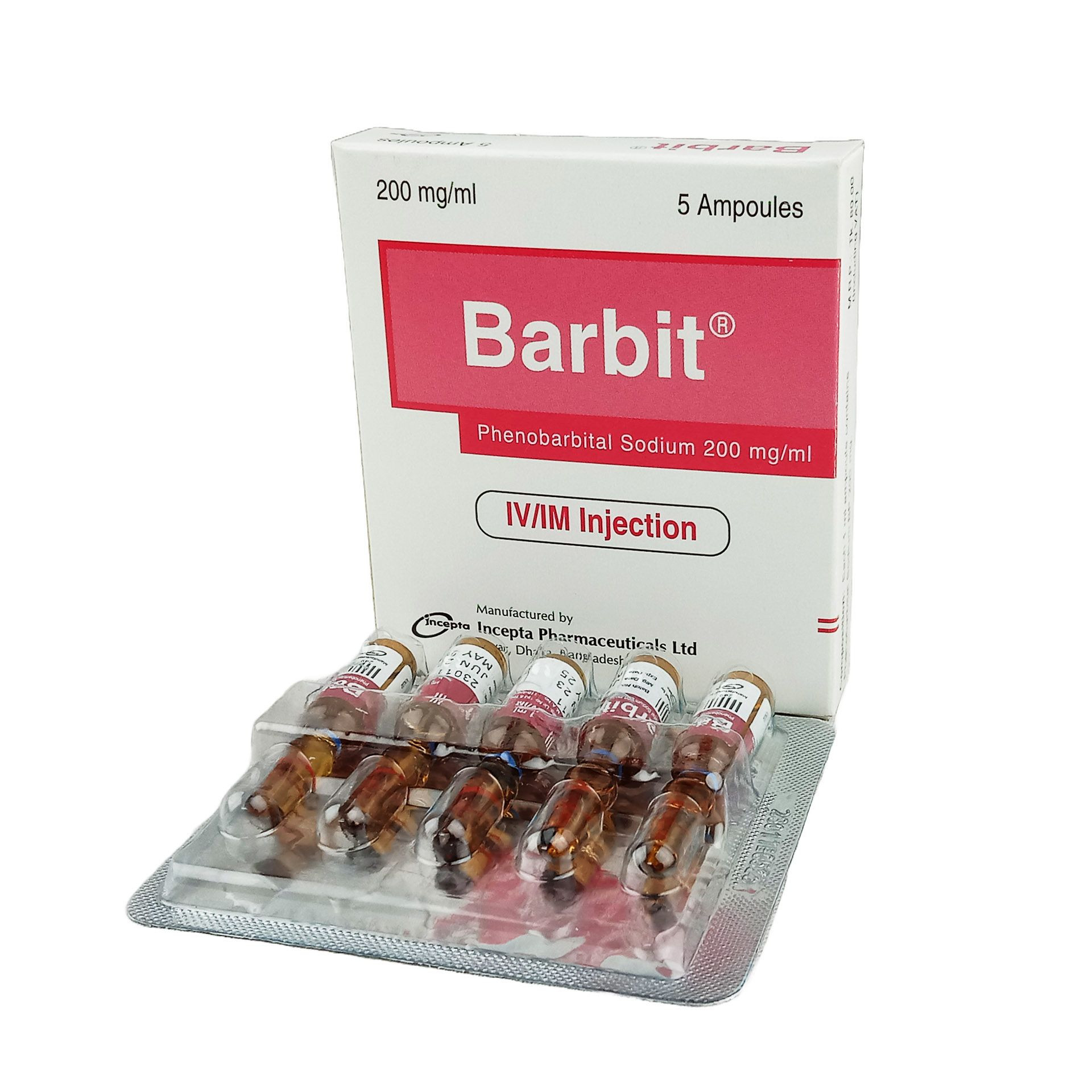
Barbit belongs to a class of medicines called barbiturates. It is a prescription medicine used to treat and prevent epilepsy (seizures). They also have hypnotic properties. Means, they slow down the activity of the brain and can make you feel sleepy or dizzy. Barbit may be taken with or without food. However, it is advised to take it at the same time each day as this helps to maintain a consistent level of medicine in the body. Take this medicine in the dose and duration as advised by your doctor as it may be habit-forming with long-term use. If you have missed a dose, take it as soon as you remember it. Do not skip any doses and finish the full course of treatment even if you feel better. Some common side effects of this medicine include nausea, diarrhea, hyperactivity, depression, confusion, decreased blood pressure and fatigue. It may also cause dizziness and sleepiness, so do not drive or do anything that requires mental focus until you know how this medicine affects you. Remember to consult your doctor if you notice severe rashes, especially accompanied by fever after taking this medicine. It should be noted that long-term use of this medicine can cause pain in joints also.
_
Uses of Barbit
Epilepsy/Seizures
Side effects of Barbit
Common
Drowsiness
Nausea
Diarrhea
Hyperactivity
Depression
Confusion
Decreased blood pressure
Fatigue
Headache
Dizziness
Constipation
Excitement
Hangover
How to use Barbit
Take this medicine in the dose and duration as advised by your doctor. Swallow it as a whole. Do not chew, crush or break it. Barbit may be taken with or without food, but it is better to take it at a fixed time.
How Barbit works
Barbit controls seizures or fits by increasing the action of GABA, a chemical messenger which suppresses the abnormal and excessive activity of the nerve cells in the brain.
Quick Tips
Barbit helps in treatment and prevention of seizures.
It may be habit-forming with long-term use.
Talk with your doctor if it stops working well. Do not take more than prescribed.
It may make you very sleepy. Don’t drive or do anything that requires mental focus until you know how it affects you.
Inform your doctor if you notice pain in your joints or if you have a history of bone disease.
Get regular blood tests done to monitor the amount of medication in your body.
Talk to your doctor immediately if you notice skin rash accompanied with fever.
Do not stop taking the medication suddenly without talking to your doctor.
Brief Description
Indication
Status epilepticus, Partial seizures, Sedation, Generalised tonic-clonic seizures, Hypnotic, Preoperative sedation
Administration
Reconstitution: Dilute w/ most IV infusion soln (e.g. NaCl 0.45% or 0.9%, lactated Ringer’s, dextrose 5%, Ringer’s). IV Administration Slow injection at <60 mg/min May be given IM into large muscle
_
Adult Dose
Parenteral Status epilepticus ; Emergency management of acute seizures Adult: As phenobarbital Na: 200-600 mg. OR 15-18 mg/kg IV loading dose infused at 25-60 mg/min; prepare to support ventilation; may repeat in 20-minute intervals PRN; not to exceed 30 mg/kg As a hypnotic Adult: 100-320 mg. Do not admin for >2 wk for the treatment of insomnia. Intramuscular Preoperative sedation Adult: As phenobarbital Na: 100-200 mg 60-90 min pre-op. Hepatic impairment: Reduce dose. Severe: Contraindicated.
_
Child Dose
Parenteral Status epilepticus ; Emergency management of acute seizures Child: As phenobarbital Na: 100-400 mg. OR Infants and children: 15-20 mg/kg IV infused at a rate not to exceed 2 mg/kg/min; not to exceed 1000 mg/dose <60 kg: IV rate at <30 mg/min May repeat with 5-10 mg/kg bolus dose after 15-30 min PRN; not to exceed cumulative dose of 40 mg/kg Seizures Neonates (<28 days): 3-5 mg/kg/day IV/PO in 1-2 divided doses Infants: 5-6 mg/kg/day in 1-2 divided doses 1-5 years: 6-8 mg/kg/day in 1-2 divided doses 6-12 years: 4-6 mg/kg/day in 1-2 divided doses >12 years: 1-3 mg/kg/day in 1-2 divided doses, OR 50-100 mg BID/TID Intramuscular Preoperative sedation Child: As phenobarbital Na: 16-100 mg 60-90 min pre-op. Intravenous Preoperative sedation Child: 1-3 mg/kg pre-op.
_
Renal Dose
Renal impairment: Reduce dose. Severe: Contraindicated.
Contraindication
Severe renal and hepatic disorders. Severe respiratory depression, dyspnoea or airway obstruction; porphyria. Pregnancy.
Mode of Action
Phenobarbitone is a short-acting barbiturate. It depresses the sensory cortex, reduces motor activity, changes cerebellar function, and produces drowsiness, sedation and hypnosis. Its anticonvulsant property is exhibited at high doses.
Precaution
Patient w/ history or sedative/hypnotic addiction; resp disease, depression or suicidal tendencies, hypoadrenalism. Avoid abrupt withdrawal. Mild to moderate renal and hepatic impairment. Elderly or debilitated patient, childn. Pregnancy and lactation. Patient Counselling May impair ability to drive or operate machinery. Monitoring Parameters Monitor CBC, LFTs, mental status and seizure activity. Lactation: Do not nurse
_
Side Effect
Common Ataxia,Dizziness,Drowsiness,Dysarthria,Fatigue,Headache,Irritability,Nystagmus,Paresthesia restlessness,Vertigo Geriatric patients: Excitement, confusion, depression Pediatric patients: Paradoxical excitement/hyperactivity Less Common Mental dullness,Constipation,Diarrhea,Nausea,Vomiting,Megaloblastic (folate-deficiency) anemia Uncommon Rash,Hypocalcemia,Hepatotoxicity Rare Stevens-Johnson syndrome,Rickets,Osteomalacia Potentially Fatal: Stevens-Johnson syndrome.
_
Interaction
May enhance the hepatotoxic potential of paracetemaol overdoses. May decrease levels/effects of various CYP isoenzyme substrates e.g. teniposide, methotrexate, antipsychotics, beta-blockers, calcium-channel blockers, other anticonvulsants, chloramphenicol, cimetidine, corticosteroids, ciclosporin, doxycycline, oestrogens, felbamate, griseofulvin, tacrolimus, furosemide, methadone, oral contraceptives, theophylline, TCAs, warfarin. May reduce effects of guanfacine. Reduced metabolism and or increased toxicity with chloramphenicol, felbamate, MAOIs, valproic acid. May enhance the nephrotoxic effects of methoxyflurane. Potentially Fatal: Additive sedation and/or respiratory depression with ethanol, sedatives, antidepressants, opioid analgesics, benzodiazepines and other CNS depressants. May decrease levels/effects of antiarrhythmic drugs e.g. disopyramide, propafenone, quinidine.
_




Reviews
Clear filtersThere are no reviews yet.