



Introduction
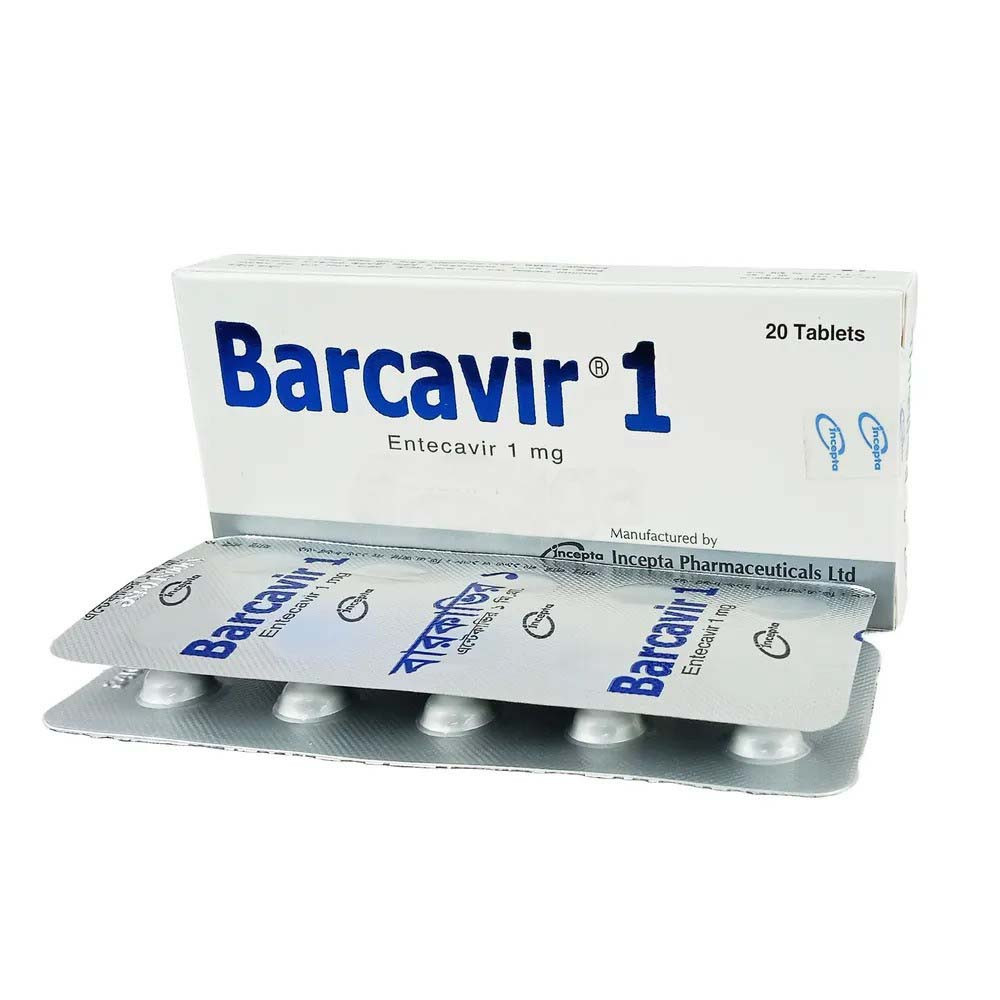
Barcavir 1 is used in the treatment of HIV infection and chronic hepatitis B virus (HBV) infection. It prevents the multiplication of virus in human cells. This stops the virus from producing new viruses and clears up your infection. Barcavir 1 is not a cure for HIV or AIDS and only helps to decrease the amount of HIV in your body. This helps to lower your risk of getting HIV-related complications and improves your lifespan. It is prescribed in combination with other HIV medicines. Your doctor will recommend the best medicines for you and will decide the doses that you need. Follow carefully the instructions for all the medicines that you are given. It can be taken with or without food. Taking all these medicines regularly at the right times greatly increases their effectiveness and reduces the chances of HIV becoming resistant to them. It is important not to miss doses and to keep taking them until your doctor tells you it is safe to stop. Common side effects of this medicine include headache, nausea, vomiting, stomach pain, fatigue, diarrhea, and rash. These are usually not serious but tell your doctor if they bother you or do not go away. Rarely, some people may experience a skin reaction or liver damage. Your doctor will closely monitor you for these in the initial period of treatment. Before taking it, tell your doctor if you have any skin problems or liver or kidney disease. While using it, you may need regular blood tests to check your blood counts and liver function. Avoid drinking alcohol as it may increase your risk of liver damage. Pregnant or breastfeeding mothers should consult their doctor before using this medicine. Do not have unprotected sex or share personal items like razors or toothbrushes, if you are HIV positive. Talk to your doctor about safe ways like condoms to prevent HIV transmission during sex.
_
Uses of Barcavir 1
Chronic hepatitis B virus (HBV) infection
Side effects of Barcavir 1
Common
Headache
Dizziness
Tiredness
Nausea
How to use Barcavir 1
Take this medicine in the dose and duration as advised by your doctor. Swallow it as a whole. Do not chew, crush or break it. Barcavir 1 is to be taken empty stomach.
How Barcavir 1 works
Barcavir 1 is an antiviral medication. It prevents the multiplication of virus in human cells. This stops the virus from producing new viruses and clears up your infection.
What if you forget to take Barcavir 1?
If you miss a dose of Barcavir 1, take it as soon as possible. However, if it is almost time for your next dose, skip the missed dose and go back to your regular schedule. Do not double the dose.
Quick Tips
You have been prescribed Barcavir 1 for the treatment of chronic hepatitis B virus (HBV) infection.
Take it on an empty stomach, at least 2 hours after or before a meal.
Barcavir 1 may cause dizziness or sleepiness. Do not drive or do anything requiring concentration until you know how it affects you.
You may still develop infections or other illnesses associated with viral infection while taking this medication.
During treatment and for at least six months after stopping this medicine, regular blood tests are needed to monitor your liver function, level of hepatitis B virus and blood cells in your blood.
Brief Description
Indication
Chronic hepatitis B
Administration
Should be taken on an empty stomach. Take at least 2 hr after a meal & 2 hr before the next meal. Use oral solution when needed for renal impairment dosage adjustments.
_
Adult Dose
Chronic Hepatitis B Indicated for treatment of CHB with evidence of active viral replication and either evidence of persistent elevations in serum aminotransferases (ALT or AST) or histologically active disease Nucleoside inhibitor treatment-naïve with compensated liver disease (adults and adolescents ?16 yr): 0.5 mg PO qDay Lamivudine-refractory or known lamivudine or telbivudine resistance substitutions (adults and adolescents ?16 yr): 1 mg PO qDay Decompensated liver disease (adults): 1 mg PO qDay
_
Child Dose
Chronic Hepatitis B Indicated for treatment of CHB with evidence of active viral replication and either evidence of persistent elevations in serum aminotransferases (ALT or AST) or histologically active disease in children ?2 years and weigh at least 10 kg <2 years: Safety and efficacy not established >16 years: As adult
_
Renal Dose
Renal Impairment Usual daily dose (0.5 mg) CrCl ?50 mL/min: No dosage adjustment required CrCl 30-49 mL/min: Reduce to 0.25 mg/day or 0.5 mg q48hr CrCl 10-29 mL/min: Reduce to 0.15 mg/day or 0.5 mg q72hr CrCl <10 mL/min, hemodialysis, or CAPD: 0.05 mg/day or 0.5 mg q7days Lamivudine-refractory/decompensated liver disease daily dose (1 mg) CrCl ?50 mL/min: No dosage adjustment required CrCl 30-49 mL/min: Reduce to 0.5 mg/day or 1 mg q48hr CrCl 10-29 mL/min: Reduce to 0.3 mg/day or 1 mg q72hr CrCl <10 mL/min, hemodialysis, or CAPD: 0.1 mg/day or 1 mg q7days
_
Contraindication
Entecavir is contraindicated in patients with previously demonstrated hypersensitivity to Entecavir or any component of the product.
Mode of Action
Selective HBV DNA polymerase inhibitor; inhibition blocks reverse transcriptase activity, which in turn reduces viral DNA synthesis
Precaution
Lactic acidosis: Lactic acidosis and severe hepatomegaly with steatosis, including fatal cases have been reported with the use of nucleoside analogues alone or in combination with antiretrovirals.Exacerbations of hepatitis after discontinuation of treatment: Severe acute exacerbations of hepatitis B have been reported in patients who have discontinued anti-hepatitis B therapy, including Entecavir. Lactation: excretion in milk unknown/not recommended
_
Side Effect
1-10% Fatigue (1-3%),Headache (2-4%),Dizziness,Nausea <1% Diarrhea,Dyspepsia,Vomiting,Somnolence,Insomnia
_
Pregnancy Category Note
Pregnancy Prospective pregnancy data from the APR are not sufficient to adequately assess the risk of birth defects, miscarriage or adverse maternal or fetal outcomes; use during pregnancy has been evaluated in a limited number of individuals reported to APR and number of exposures to entecavir is insufficient to make a risk assessment compared to a reference population; rate of miscarriage is not reported in APR; all pregnancies have a background risk of birth defect, loss, or other adverse outcomes Lactation Not known whether drug is present in human breast milk, affects human milk production, or has effects on the breastfed infant; when administered to lactating rats, entecavir was present in milk; developmental and health benefits of breastfeeding should be considered along with mother’s clinical need for therapy and any potential adverse effects on breastfed infant from drug or from underlying maternal condition
_
Interaction
Drugs that reduce renal function or compete for active tubular secretion may increase serum conc of either entecavir or co-administered drug.









Reviews
Clear filtersThere are no reviews yet.