



Introduction
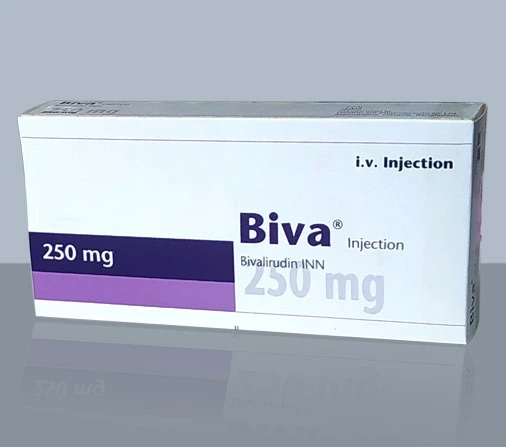
Biva belongs to a group of medicines known as an anticoagulant or blood thinner. It helps prevent and treat blood clots. It is used to reduce the risk of stroke and heart attack. It prevents and treats clot formation in the veins of your legs, lungs, brain and heart. Biva is commonly used in patients with irregular heart rhythm (atrial fibrillation) to prevent clot formation. It also reduces the risk of getting clots in people who have undergone knee or hip replacement surgeries. It is given as an infusion (drip) into a vein under the supervision of a doctor. You may need to take this medicine for many years, even for life in some cases. Do not stop taking it or change the dose without guidance from your doctor. It could quickly put you at more risk of having a heart attack, stroke or thrombosis (formation of a blood clot within a blood vessel). You can reduce your risk of having a blood clot by making changes to your lifestyle, such as not smoking, eating a healthy diet, exercising regularly and losing weight if you need to. The most common side effect of Biva is bleeding more easily than normal, for example having nosebleeds or bruising. If you experience any symptoms, tell your doctor immediately. You should be extra careful while shaving, cutting nails, or using sharp objects during the treatment with this medicine. This medicine may not be suitable for everyone and should be used with caution. Inform your doctor, if you have severe kidney or liver problems. Do not take this medicine if you are currently bleeding or if you are taking other medicines to reduce blood clotting. You should not breastfeed while using this medicine. Unlike other anticoagulants, regular blood test (PT-INR) is not required while taking this medicine.
_
Uses of Biva
Heart attack
Unstable angina
Side effects of Biva
Common
Bruise
How to use Biva
Your doctor or nurse will give you this medicine. Kindly do not self administer.
How Biva works
Biva is an anticoagulant that prevents the formation of harmful blood clots.
Quick Tips
It is a hospital only medicine. It is given by your nurse or doctor as an infusion (drip) into a vein.
Notify your doctor if you see blood in your vomit, urine or stool (black, tarry stools or bright red blood).
Inform your doctor if you are taking other blood thinners or medicines to prevent blood clots.
Brief Description
Indication
As an anticoagulant in percutaneous coronary intervention
Administration
IV Preparation To each 250 mg vial add 5 mL SWI Gently swirl until all material is dissolved Dilute each vial in 50 mL of D5W or NS to yield a final concentration of 5 mg/mL If low-rate infusion is used after initial infusion, a lower concentration bag should be prepared Inspect for particulate matter and discoloration prior to administration Do not use preparations containing particulate matter Reconstituted drug will be a clear to slightly opalescent, colorless to slightly yellow solution IV Administration Initial bolus injection followed by continuous infusion
_
Adult Dose
Intravenous As an anticoagulant in percutaneous coronary intervention Adult: Initially, 0.75 mg/kg inj followed by an infusion of 1.75 mg/kg/hr during procedure and up to 4 hours postprocedure. If needed, may continue infusion at 0.25 mg/kg/hr for 4-12 hours. Hepatic impairment: No dosage adjustment needed.
_
Renal Dose
Renal impairment: CrCl (ml/min) Dosage Recommendation 30-59 Reduced infusion to 1.4 mg/kg/hr. <30 Contraindicated. Dialysis Contraindicated.
_
Contraindication
Active major bleeding. CrCl <30 mL/min and dialysis-dependent patients. Severe uncontrolled HTN; subacute bacterial endocarditis.
_
Mode of Action
Bivalirudin is a synthetic 20-amino acid analogue of the naturally occurring hirudin. It is a specific and reversible direct thrombin inhibitor thats works by binding to the catalytic and anionic exosite of circulating and clot-bound thrombin. It is used as an anticoagulant in percutaneous coronary intervention.
Precaution
Increased risk of potentially fatal thrombosis during brachytherapy procedure. Patients at high risk of serious bleeding; recent major surgery or puncture of large vessels or organ biopsy. Renal impairment. Pregnancy, lactation, elderly.
Side Effect
>10% Back pain (42%) General pain (15%) Nausea (15%) Hemorrhage, minor (13.6%) Headache (12%) Hypotension (12%) 1-10% Injection site pain (8%) Insomnia (7%) Pelvic pain (6%) Hypertension (6%) Anxiety (6%) Vomiting (6%) Bradycardia (5%) Dyspepsia (5%) Abdominal pain (5%) Fever (5%) Nervousness (5%) Urinary retention (4%) Hemorrhage, major (2.3%) >3g/dL fall in Hgb (1.9%) TIMI minor bleeding (1.3%) RBC transfusions (1.3%)
_
Pregnancy Category Note
Pregnancy There are no data available in pregnant women to inform a drug-associated risk of adverse developmental outcomes Animal data Reproduction studies in rats and rabbits administered subcutaneously doses up to 1.6 times and 3.2 times maximum recommended human dose (MRHD) of 15 mg/kg/day based on body surface area (BSA) during organogenesis, respectively, revealed no evidence of fetal harm Lactation Not known whether drug is present in human milk; no data are available on effects on breastfed child or on milk production; developmental and health benefits of breastfeeding should be considered along with clinical need for therapy and any potential adverse effects on breastfed child from therapy or from underlying maternal condition
_
Interaction
May increase risk of bleeding when used w/ thrombolytics, oral anticoagulants or drugs that affect platelet function.


Reviews
Clear filtersThere are no reviews yet.