

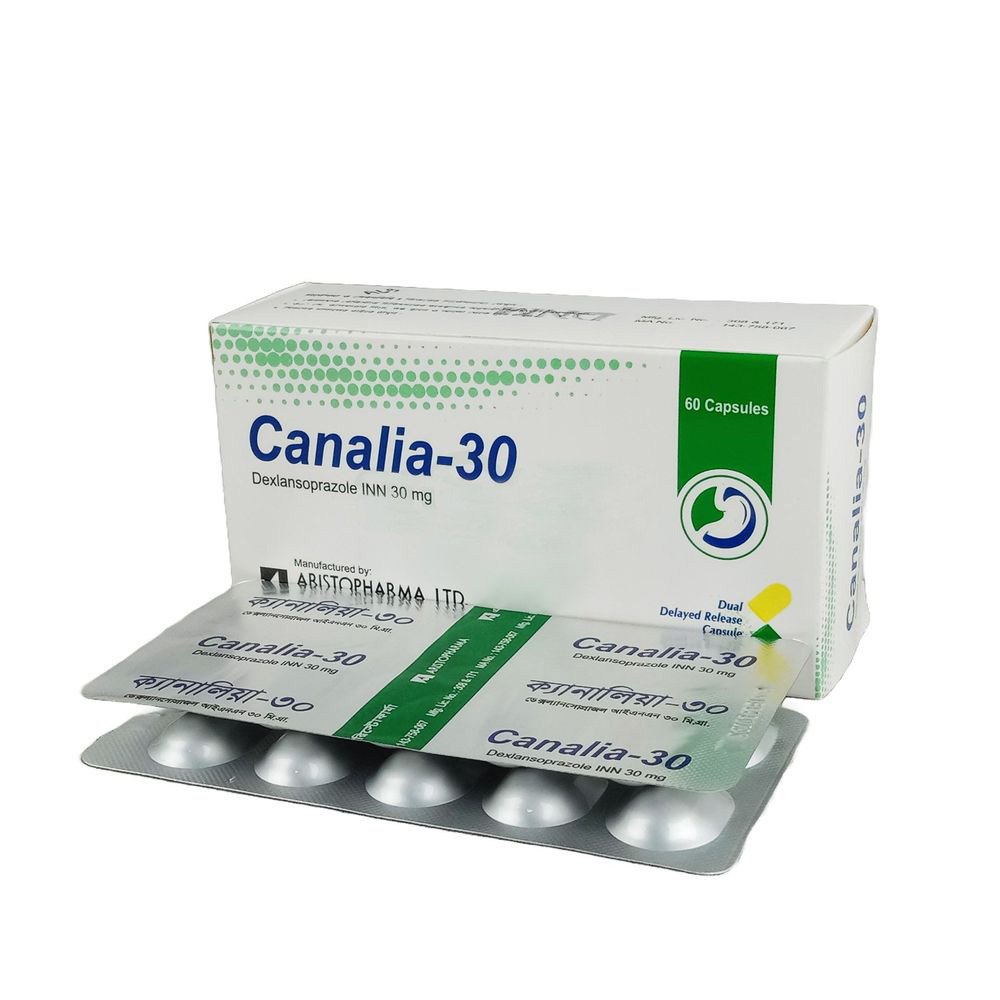

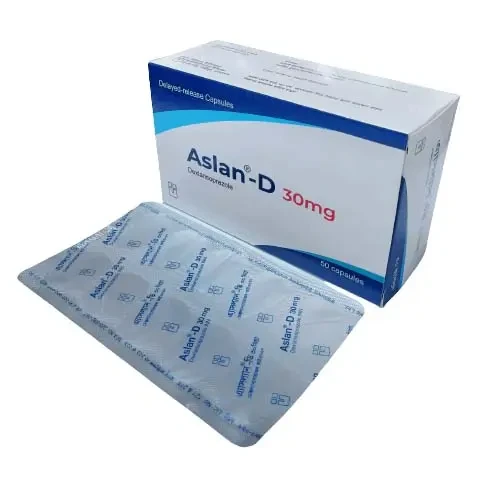
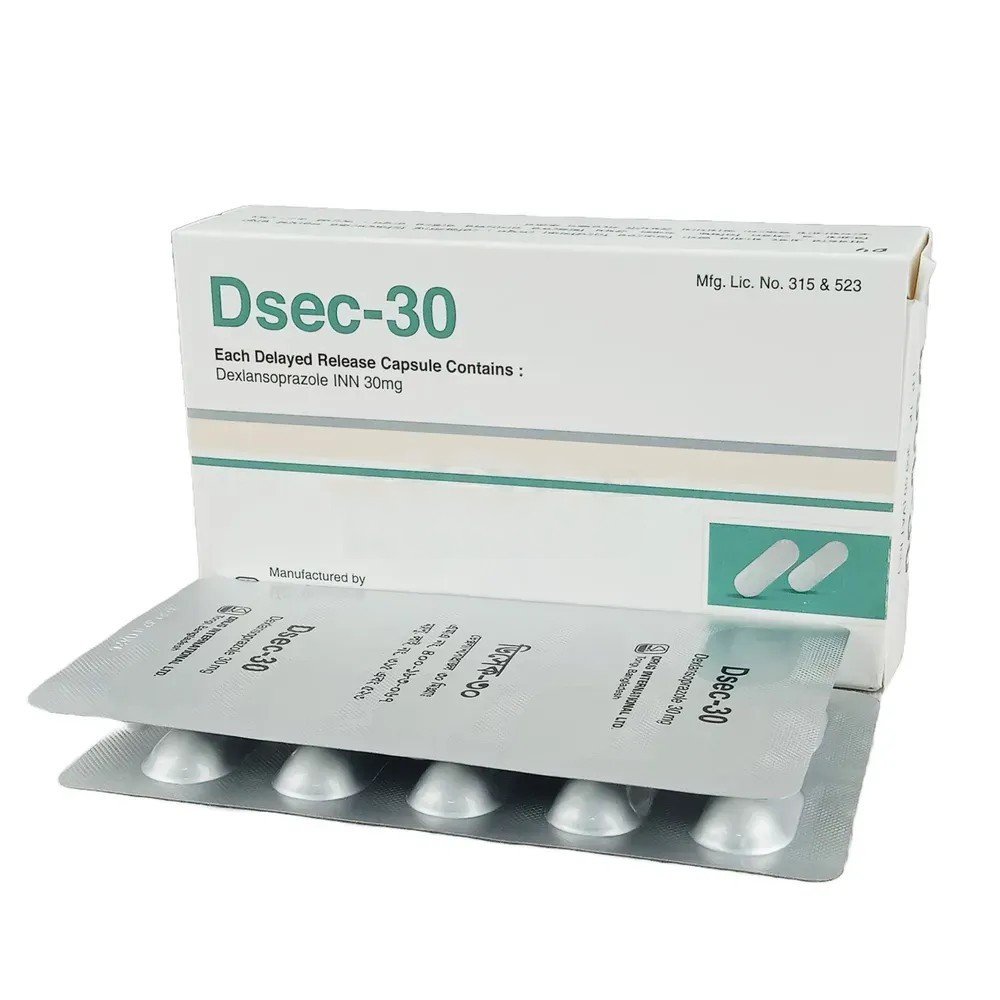
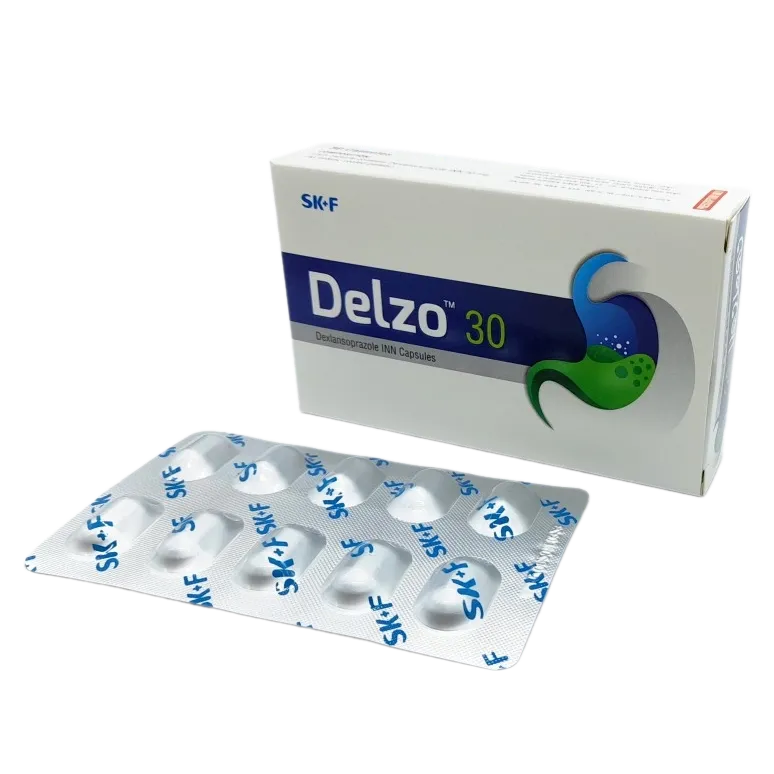
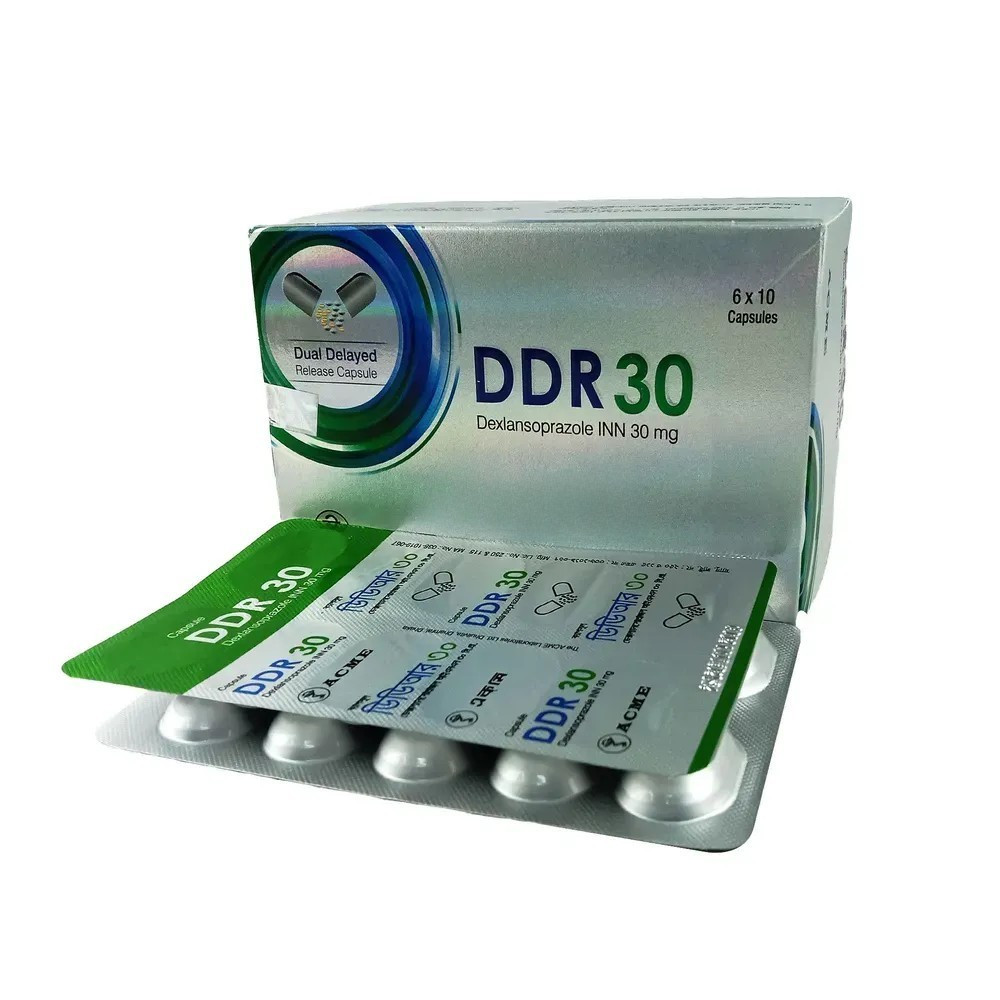
Medicine Overview of Canalia 30mg Capsule
- Gastroesophageal reflux disease (Acid reflux)
- Peptic ulcer disease
- Nausea
- Abdominal pain
- Flatulence
- Diarrhea
- Vomiting
-
Canalia 30 should be taken 1 hour before a meal, preferably in the morning.
-
It is a well-tolerated medicine and provides relief for a long time.
-
Avoid eating late at night or before bedtime.
-
Inform your doctor if you get watery diarrhea, fever or stomach pain that does not go away.
-
Inform your doctor if you do not feel better after taking it for 14 days as you may be suffering from some other problem that needs attention.
-
Long-term use of Canalia 30 can cause weak bones and a deficiency of minerals such as magnesium. Take adequate dietary intake of calcium and magnesium or their supplements as prescribed by your doctor.
-
Consult your doctor right away if you develop decreased urination, edema (swelling due to fluid retention), lower back pain, nausea, fatigue, and rash or fever. These could be signs of a kidney problem.
DR: Take at least 30 minutes before a meal
Capsule: Indicated for healing of all grades of erosive esophagitis (EE) and maintaining healing of EE
DR: Indicated for maintaining healing of EE
Healing (capsule): 60 mg PO qDay for up to 8 weeks
Maintenance (capsule or DR): 30 mg PO qDay for up to 6 months
Gastroesophageal Reflux Disease
Indicated for treating heartburn associated with symptomatic nonerosive GERD
Capsule or DR: 30 mg PO qDay for 4 weeks
Hepatic impairment
Milde (Child-Pugh A): Dose adjustment not necessary
Moderate (Child-Pugh B): Not to exceed 30 mg/day
Severe (Child-Pugh C): Not recommended
Safety and efficacy not established
>12 years
Erosive Esophagitis
Capsule: Indicated for healing of all grades of erosive esophagitis (EE) and maintaining healing of EE
DR: Indicated for maintaining healing of EE
Healing (capsule): 60 mg PO qDay for up to 8 weeks
Maintenance (capsule or DR): 30 mg PO qDay for up to 6 months
Gastroesophageal Reflux Disease
Indicated for treating heartburn associated with symptomatic nonerosive GERD
Capsule or DR: 30 mg PO qDay for 4 weeks
Lactation
Risk Summary
There is no information regarding presence of dexlansoprazole in human milk, effects on breastfed infant, or on milk production; however, lansoprazole and its metabolites are present in rat milk; developmental and health benefits of breastfeeding should be considered along with mother’s clinical need for therapy and potential adverse effects on breastfed child from therapy or from the underlying maternal condition
Diarrhea (5%),Abdominal pain (4%),Nausea (3%),URI (2-3%),Vomiting (1-2%),Flatulence (1%)
<1% (Selected)
Arrhythmia,Bradycardia,Barrett’s esophagus,DVT,Dyspnea,Hepatomegaly,Hypertension,Paresthesia,Rectal hemorrhage,Vulvovaginal infection
Potentially Fatal: May decrease serum levels and pharmacological effects of rilpivirine and atazanavir.

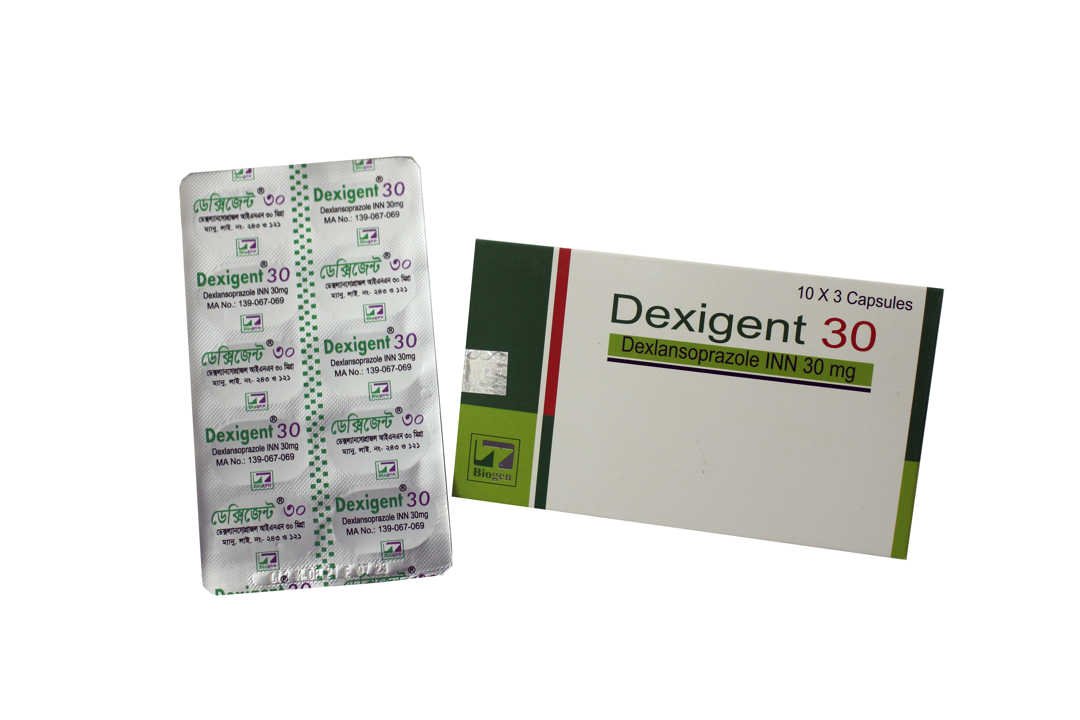
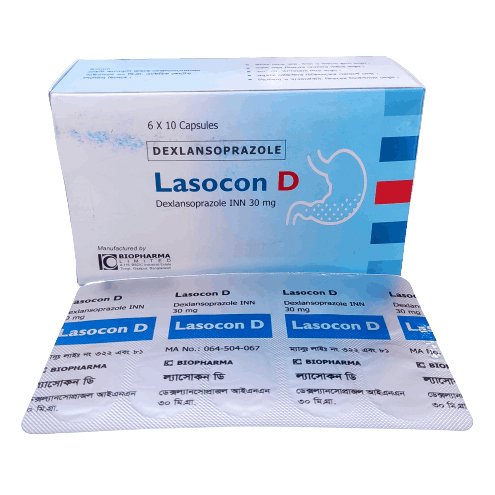



Reviews
Clear filtersThere are no reviews yet.