


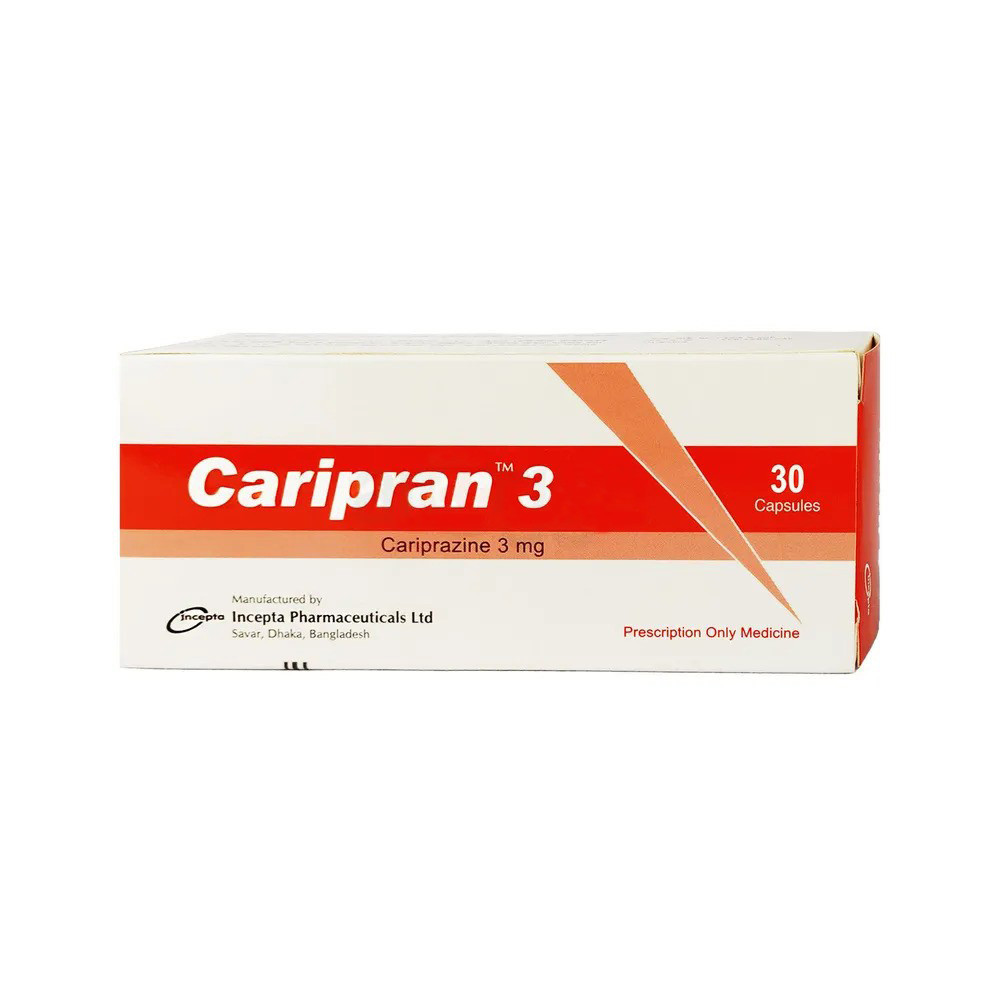

Indication
Schizophrenia, Indicated for acute treatment of manic or mixed episodes associated with, bipolar disorder
Administration
Take orally with or without food
Adult Dose
Adults Schizophrenia Starting dose: 1.5 mg PO qDay Dose may be increased to 3 mg/day on Day 2 Depending upon clinical response and tolerability, further dose adjustments can be made in 1.5 to 3-mg increments Dosage range: 1.5-6 mg PO qDay Bipolar Disorder Indicated for acute treatment of manic or mixed episodes associated with bipolar I disorder Starting dose: 1.5 mg PO qDay Dose should be increased to 3 mg/day on Day 2 Depending on clinical response and tolerability, further dose adjustments can be made in 1.5 to 3-mg increments Dosage range: 3-6 mg PO qDay Hepatic impairment Mild-to-moderate (Child-Pugh score 5-9): No dosage adjustment required Severe (Child-Pugh score 10-15): Not recommended
_
Renal Dose
Renal impairment Mild-to-moderate (CrCl ?30 mL/min): No dosage adjustment required Severe (CrCl <30 mL/min): Not recommended; safety and efficacy has not been established
_
Contraindication
History of hypersensitivity to cariprazine
Mode of Action
Precise mechanism by which cariprazine works for schizophrenia or bipolar disorder is unknown Efficacy could be mediated through a combination of partial agonist activity at central dopamine (D2) and serotonin 5-HT1A receptors Forms 2 major metabolites, desmethyl cariprazine (DCAR) and didesmethyl cariprazine (DDCAR), that have in vitro receptor binding profiles similar to the parent drug
_
Precaution
Antipsychotic drugs increase the all-cause risk of death in elderly patients with dementia-related psychosis; a higher incidence of stroke and TIA, including fatal stroke, was also observed (see Black Box Warnings) Hypersensitivity reactions have ranged from rash, pruritus, urticaria, and events suggestive of angioedema (eg, swollen, tongue, lip swelling, face edema, pharyngeal edema, facial swelling) Neuroleptic malignant syndrome reported; monitor for hyperpyrexia, muscle rigidity, delirium, and autonomic instability; other signs include increased CPK, myoglobinuria (rhabdomyolysis), and acute renal failure; if NMS is suspected, immediately discontinue treatment Tardive dyskinesia, a potentially irreversible, involuntary, dyskinetic movement syndrome, may develop in patients treated with antipsychotics May cause seizures; risk is greatest with history of seizures or conditions that lower seizure threshold May cause cognitive and motor impairment May cause somnolence, postural hypotension, motor and sensory instability, which may lead to falls and, consequently, fractures or other injuries; for patients with diseases, conditions, or medications that could exacerbate these effects, complete fall risk assessments when initiating antipsychotic treatment and recurrently for patients on long-term antipsychotic therapy Lactation Unknown if distributed in human breast milk
_
Side Effect
>10% (Schizophrenia) Extrapyramidal symptoms, all (24-33%) Parkinsonism (13-18%) Headache (9-18%) Akathisia (9-14%) Insomnia (11-13%) >10% (Bipolar Disorder) Extrapyramidal symptoms, all (41-45%) Parkinsonism (21-26%) Akathisia (20-21%) Headache (13-14%) Nausea (11-13%) Constipation (6-11%) 1-10% (Schizophrenia) Constipation (6-10%) Somnolence (5-10%) Nausea (5-8%) Abdominal pain (3-7%) Restlessness (4-6%) Anxiety (3-6%) Toothache (3-6%) Hypertension (2-6%) Dyspepsia (4-5%) Vomiting (4-5%) Dizziness (3-5%) Agitation (3-5%) Diarrhea (1-5%) Pain in extremity (2-4%) Cough (1-4%) Tachycardia (2-3%) Increased weight (2-3%) Decreased appetite (1-3%) Dry mouth (1-3%) Fatigue (1-3%) Increased CPK (1-3%) Musculoskeletal stiffness (1-3%) Back pain (1-3%) Dystonia (2%) Tachycardia (1-2%) Arthralgia (1-2%) Increased LFTs (1-2%) Nasopharyngitis (1-2%) Urinary tract infections (1-2%) Rash (1-2%) 1-10% (Bipolar Disorder) Vomiting (8-10%) Insomnia (8-9%) Dyspepsia (7-9%) Somnolence (7-8%) Abdominal pain (6-8%) Restlessness (7%) Dizziness (6-7%) Diarrhea (5-6%) Hypertension (4-5%) Fatigue (4-5%) Dystonia (3-5%) Blurred vision (4%) Decreased appetite (3-4%) Toothache (3-4%) Pain in extremity (2-4%) Pyrexia (1-4%) Weight increased (2-3%) Increased CPK (2-3%) Dry mouth (2-3%) Oropharyngeal pain (1-3%) Back pain (1-3%) Increased LFTs (1-3%) Musculoskeletal stiffness (2%)
_
Pregnancy Category Note
Pregnancy Neonates exposed to antipsychotic drugs during third trimester of pregnancy are at risk for extrapyramidal symptoms or withdrawal symptoms after delivery; these complications vary in severity, with some being self-limited and others requiring ICU support and prolonged hospitalization Lactation Unknown if distributed in human breast milk Present in rat milk Consider the developmental and health benefits of breastfeeding along with the mother’s clinical need for the drug, and any potential adverse effects on the breastfed infant from the drug or from the underlying maternal condition
_
Interaction
Coadministration with a strong CYP3A4 inhibitor increases the exposures of cariprazine and its major active metabolite, didesmethylcariprazine (DDCAR), compared to use of cariprazine alone




Reviews
Clear filtersThere are no reviews yet.