




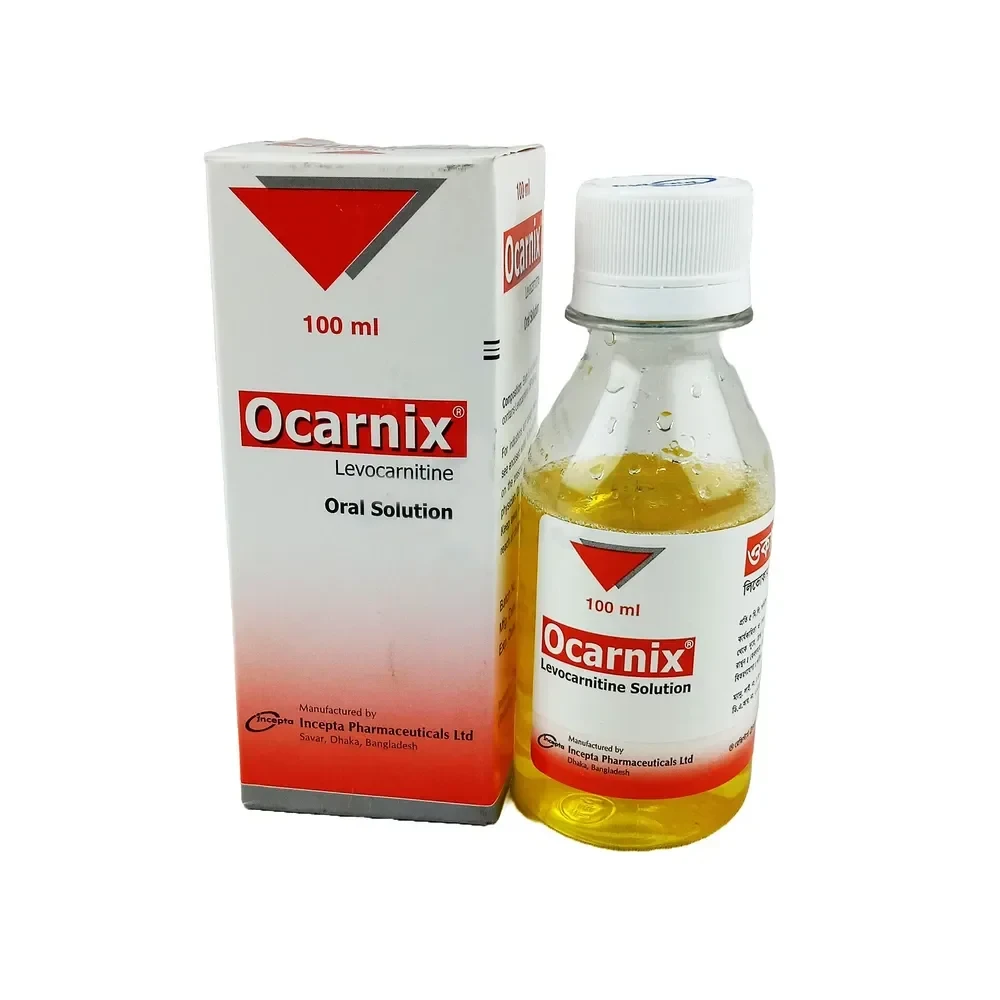
Medicine Overview of Cartine 500mg/5ml Oral Solution
Cartine belongs to a class of medications called amino acids. It is used in the treatment of carnitine deficiency. It helps the body produce energy and improve the efficiency of body function.
Cartine should be taken with food and it should be chewed thoroughly before swallowing. Take it in the dose and duration as advised by your doctor. Do not start or stop taking this medicine without a doctor’s prescription.
Cartine is usually a safe medicine, however, it may cause nausea and vomiting. Your doctor may suggest you to monitor your blood glucose levels regularly while you are taking the medicine.
Before starting the medicine, inform your doctor if you have any other medical conditions or are taking any other medications. Patients with severe kidney disease should not take this medicine unless prescribed by the doctor.
Show less
- Carnitine deficiency
- Vomiting
- Nausea
-
It is given as a slow injection into veins under the supervision of a doctor.
-
Monitor your blood glucose levels regularly during levocarnitine treatment.
-
Tell your doctor if you are pregnant, planning to become pregnant or are breastfeeding.
Adults: Syrup: 10-30 ml per day. Depending on clinical response
Show less
Infants and children: 50 to 100 mg/kg/day in divided doses, with a maximum of 3 g/day. Dosage should begin at 50 mg/kg/day. The exact dosage will depend on clinical response.
Show less
Quaternary ammonium compound found in all mammalian tissue (particularly striated muscle).
Important for lipid catabolism; essential for FFA transport from cytosol to mitochondria where they are oxidized.
Show less
Gastrointestinal reactions may result from a too rapid consumption of Levocarnitine.
The safety and efficacy of oral levocarnitine has not been evaluated in patients with renal insufficiency. Chronic administration of high doses of oral levocarnitine in patients with severely compromised renal function or in ESRD patients on dialysis may result in accumulation of the potentially toxic metabolites, trimethylamine (TMA) and trimethylamine-N-oxide (TMAO), since these metabolites are normally excreted in the urine
Show less



Reviews
Clear filtersThere are no reviews yet.