


Introduction
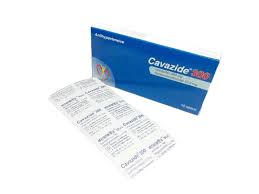
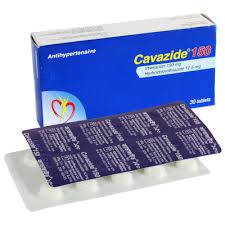
Cavazide 150/12.5 is a combination of two medicines. It helps to control high blood pressure in different ways. If high blood pressure is not treated it can lead to heart attacks, strokes and kidney failure. You can take Cavazide 150/12.5 with or without food. The dose will depend on your condition and how your respond to the medicine. Try to take it at the same time each day. It is important to keep taking this medicine until your doctor tells you not to. It contains a diuretic (water pill) and will make you urinate more so, it is best to avoid taking this medicine within four hours of going to bed. Use this medicine regularly to get the most benefit from it even if you feel well. High blood pressure does not usually have symptoms and if you stop taking it your risk of heart attack or stroke may increase. The most common side effect is dizziness. Other side effects include nausea, feeling tired, diarrhoea, upset stomach, headache and decreased blood pressure. Frequent urination is not a side effect of this medicine. It is the purpose of hydrochlorothiazide and helps control your blood pressure. You may experience other possible side effects, but most are rare. Hydrochlorothiazide may occasionally lead to an increase in pressure in your eye and lead to permanent eye damage if not treated. Make sure you read the leaflet that comes with your medicines and tell your doctor if you are bothered by side effects or they do not go away. It may be possible to adjust your dose or try a different medicine. This medicine is not recommended during pregnancy or while breastfeeding and you should ask your doctor before taking it if you have kidney or liver disease, heart trouble or diabetes. Drinking alcohol can further lower your blood pressure and may cause side effects.
_
Uses of Cavazide 150/12.5
Hypertension (high blood pressure)
Side effects of Cavazide 150/12.5
Common
Nausea
Taste change
Upset stomach
Diarrhea
Weakness
Dizziness
Headache
Glucose intolerance
Increased blood uric acid
Increased blood lipid level
Electrolyte imbalance
Decreased blood pressure
How to use Cavazide 150/12.5
Take this medicine in the dose and duration as advised by your doctor. Swallow it as a whole. Do not chew, crush or break it. Cavazide 150/12.5 may be taken with or without food, but it is better to take it at a fixed time.
How Cavazide 150/12.5 works
Cavazide 150/12.5 is a combination of two medicines: Irbesartan and hydrochlorothiazide which lower blood pressure effectively. Irbesartan is an angiotensin receptor blocker (ARB). It works by blocking the hormone angiotensin thereby relaxing blood vessels. This allows the blood to flow more smoothly and the heart to pump more efficiently. Hydrochlorothiazide is a diuretic that removes extra water and certain electrolytes from the body. Over time it also relaxes blood vessels and improves blood flow.
Quick Tips
You have been prescribed Cavazide 150/12.5 for the treatment of high blood pressure.
It can be taken with or without food.
Cavazide 150/12.5 may cause dehydration. Drink plenty of fluids and inform your doctor if you develop extreme thirst, very dry mouth or muscle weakness.
It may cause dizziness. Get up slowly when rising from a sitting or lying position.
Use of Cavazide 150/12.5 during pregnancy or breastfeeding is unsafe.
It may also decrease the risk of stroke and heart attacks.
Brief Description
Indication
Diabetic nephropathy, Hypertension
Adult Dose
Hypertension 150 mg/12.5 mg PO qDay intially; if needed, after 1-2 weeks may titrate up to 300 mg/25 mg PO qDay
_
Contraindication
Hypersensitivity; pregnancy and lactation.
Mode of Action
Hydrochlorothiazide inhibits the reabsorption of Na and chloride in the distal tubules causing increased excretion of Na and water K and hydrogen ions. Irbesartan is an angiotensin II receptor antagonist. It blocks the vasoconstricting and aldosterone-secreting effects of angiotensin II by binding to AT1 receptors.
_
Precaution
Child <6 yr. Unilateral or bilateral renal artery stenosis; vol or Na depletion; aortic or mitral valve stenosis, hypertrophic cardiomyopathy. Lactation: discontinue drug or do not nurse
_
Side Effect
>10% Irbesartan Hyperkalemia (19%) 1-10% Chest pain (2%),Tachycardia (1%),Abnormal urination (2%),Musculoskeletal pain (6%),Flu-like syndrome (3%),Edema (3%),Tachycardia (1%),Chest pain (2%),Creatinine increased (1%),Increased BUN (2%) Irbesartan Dizziness (10%),URI (9%),Orthostatic hypotension (5%),Fatigue (4%),Diarrhea (3%),Dyspepsia (2%) Frequency Not Defined Hydrochlorothiazide Anorexia,Epigastric distress,Hypotension,Orthostatic hypotension,Photosensitivity,Anaphylaxis,Anemia,Confusion,Erythema multiforme,Stevens-Johnson syndrome,Exfoliative dermatitis including toxic epidermal necrolysis,Dizziness,Hypokalemia and/or hypomagnesemia,Hyperuricemia,Headache
_
Pregnancy Category Note
Pregnancy Category: C (1st trimester); D (2nd & 3rd trimesters)
_
Interaction
Other antihypertensives, lithium, K-sparing diuretics, K supplements, salt substitutes containing K. CNS depressants, antidiabetics, cholestyramine & colestipol resins, corticosteroids, ACTH, digitalis glycosides, antiarrhythmics, NSAIDs, tubocurarine, antigout medications, Ca salts. Alcohol; ?-blockers, diazoxide, atropine, beperiden, amantadine, cyclophosphamide, methotrexate.
_



Reviews
Clear filtersThere are no reviews yet.