





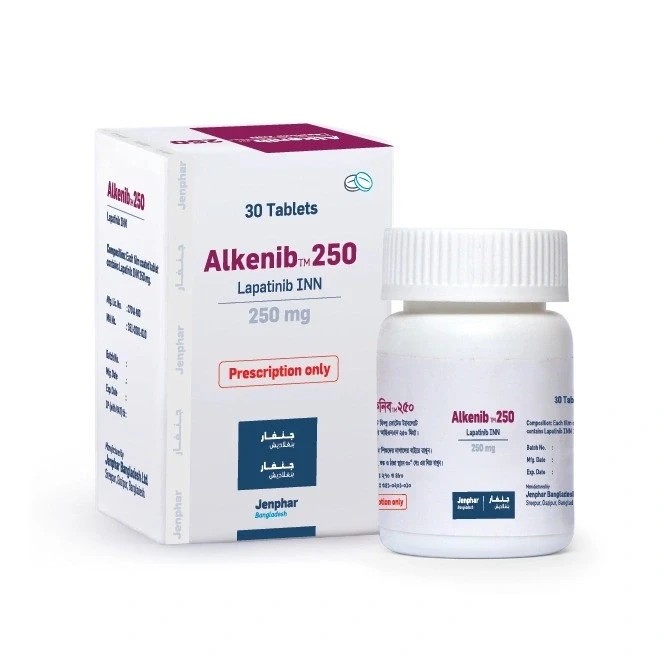
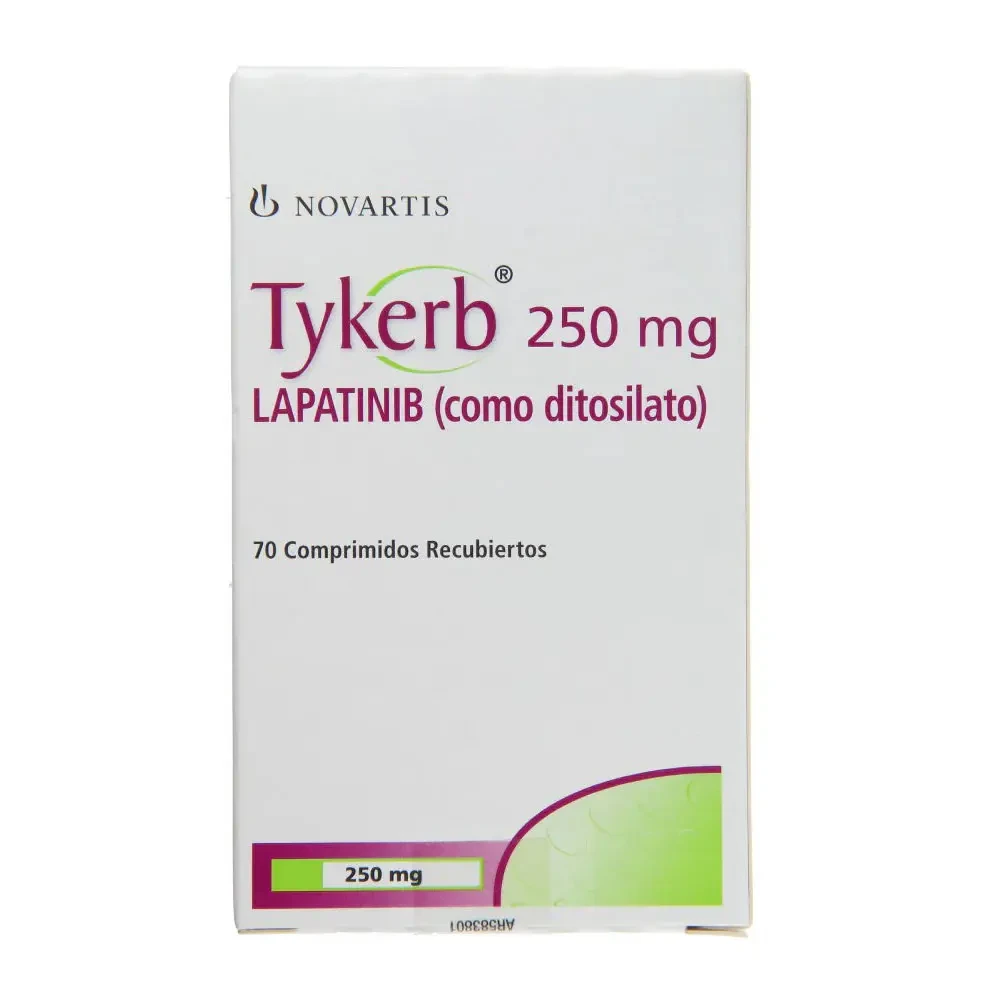
Medicine Overview of Certus 250mg Tablet
Certus 250 is used in the treatment of breast cancer. It shows its working by stopping or slowing down the growth of cancer cells. It is either used alone or in combination with some other medicine to cure advanced stage of breast cancer.
Certus 250 should be taken on an empty stomach or should be taken one hour before or 2 hour after meal. You should continue to take it as long as your doctor advises it. The duration of treatment varies according to your need and response to treatment. You should take it exactly as your doctor has advised. Taking it in the wrong way or taking too much can cause very serious side effects. It may take several weeks or months for you to see or feel the benefits but do not stop taking it unless your doctor tells you to.
The most common side effects of this medicine include nausea, headache, back pain, and breathing difficulty. It may cause severe diarrhea, drink plenty of fluids or consult with your doctor if it bothers you. You may be asked for regular monitoring of blood pressure while taking this medicine, inform your doctor if you notice severe headache, confusion, problems with your eyesight, nausea or vomiting. It might cause serious skin reaction, inform your doctor if you notice rash, red skin, blistering of the lips, eyes or mouth, skin peeling. You may be also checked for liver functioning before and after the treatment.
Before taking this medicine, let your doctor know if you have liver or kidney problems. Many other medicines can affect, or be affected by, this medicine so let your healthcare team know all medications you are using. This medicine is not recommended during pregnancy or while breastfeeding. The use of effective contraception by both males and females during treatment is important to avoid pregnancy.
- Breast cancer
- Abdominal pain
- Back pain
- Breathing problems
- Constipation
- Cough
- Diarrhea
- Fatigue
- Headache
- Hot flashes
- Increased bilirubin in the blood
- Insomnia (difficulty in sleeping)
- Joint pain
- Liver damage
- Loss of appetite
- Mucosal inflammation
- Nausea
- Pain in extremity
- Rash
- Stomatitis (Inflammation of the mouth)
- Vomiting
- Weakness
- Weight gain
-
It should be taken 1 hour before or after the meal, preferably at the same time every day.
-
Diarrhea may occur as a side effect. Drink plenty of fluids and inform your doctor if it doesn’t stop or if you find blood in your stools.
-
Use a reliable contraceptive method to prevent pregnancy while you are taking this medicine and for a month after you stop taking it.
-
Monitor your blood pressure regularly while taking this medication. Inform your doctor if you notice symptoms of very high blood pressure such as severe headache, confusion, problems with your eyesight, nausea or vomiting.
-
It may cause serious bleeding problem. Inform your doctor if you get headaches, stomach pain or if you notice blood in your urine or stools.
-
Do not take this medicine if you are pregnant, planning to conceive or breastfeeding.
Oral
Breast Cancer
HER2-overexpressing metastatic breast cancer
Indicated in combination with capecitabine for treatment of patients with advanced or metastatic breast cancer whose tumors overexpress HER2 and who have received prior therapy including an anthracycline, a taxane, and trastuzumab
1250 mg PO qDay on Days 1-21 continuously in combination with capecitabine (2000 mg/m²/day PO divided q12hr) on Days 1-14 in a repeating 21-day cycle
Hormone-positive & HER2-positive advanced breast cancer
Indicated in combination therapy with letrozole for treatment of postmenopausal women with hormone receptor-positive and HER2-positive breast cancer for whom hormonal therapy is indicated
1500 mg PO qDay administered continuously in combination with letrozole 2.5 mg PO qDay
Hepatic Impairment
Severe (Child-Pugh Class C)
HER2 positive metastatic breast cancer: Reduce dose from 1250 mg/day to 750 mg/day
Hormone receptor positive, HER2 positive breast cancer: Reduce dose from 1500 mg/day to 1000 mg/day
Evaluate left ventricular ejection fraction (LVEF) prior to treatment. Moderate or severe hepatic impairment. Patients who have or may develop QTc prolongation, including those w/ hypokalaemia or hypomagnesemia. Monitor liver function & pulmonary symptoms indicative of interstitial lung disease/pneumonitis. Pregnancy & lactation.
Lactation: Do not nurse
>10% (lapatinib+capecitabine)
Diarrhea (65%),Anemia (56%),Hand-foot synd (53%),Increased LFTs (37-49%),Nausea (44%),Rash (28%),Vomiting (26%),Pain (23%),Neutropenia (22%),Thrombocytopenia (18%),Mucositis (15%),Stomatitis (14%),Dyspnea (12%),Dyspepsia (11%),Insomnia (10%)
1-10%
Insomnia
Increased conc w/ CYP3A4 inhibitors (eg ketoconazole, itraconazole or grapefruit juice), midazolam, irinotecan & digoxin. Decreased conc w/ CYP3A4 inducers (eg rifampin, carbamazepine, phenytoin) & proton-pump inhibitors (eg esomeprazole). Altered pharmacokinetics w/ P-glycoprotein, breast cancer resistance protein (BCRP) inhibitors & inducers, topotecan & rosuvastation. Increased incidence & severity of adverse events w/ paclitaxel & docetaxel. CYP3A4 or CYP2C8 substrates.






Reviews
Clear filtersThere are no reviews yet.