

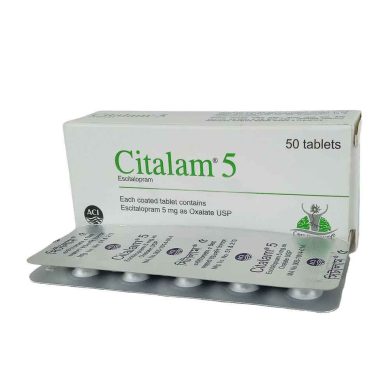

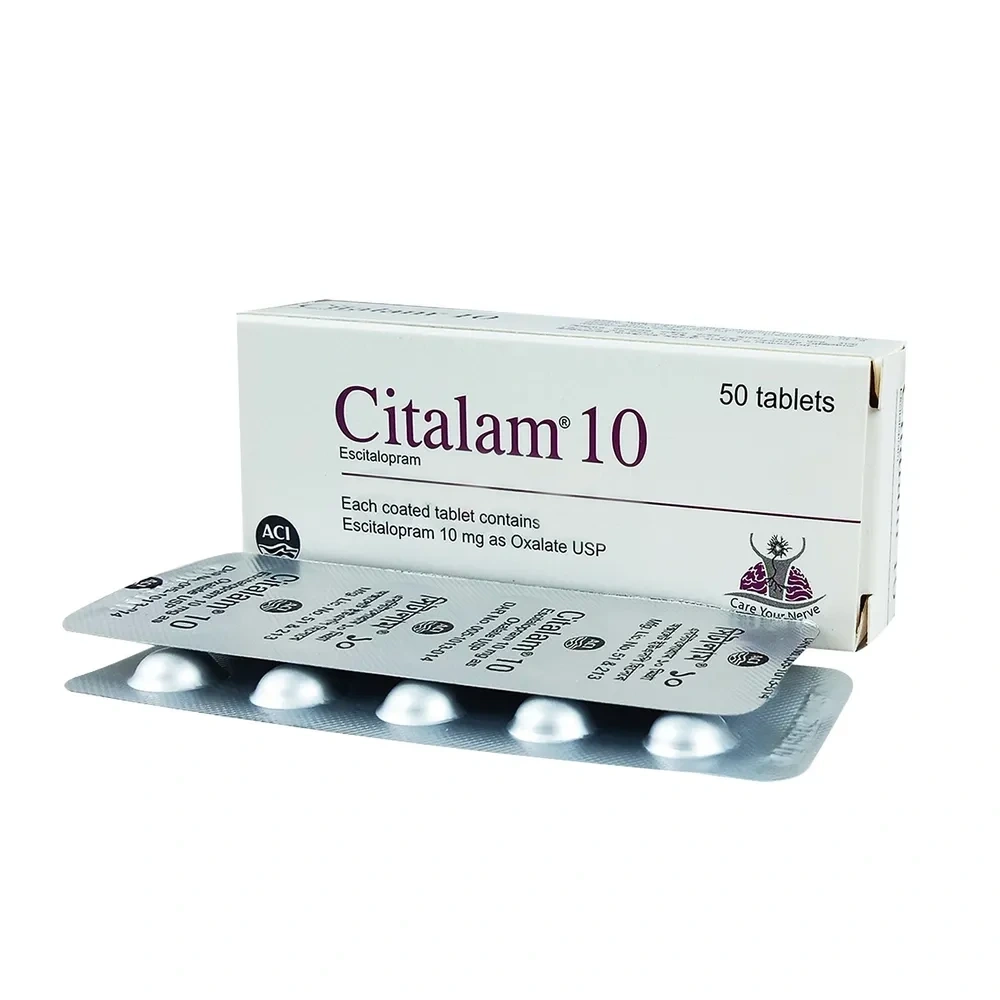

Medicine Overview of Citalam 10mg Tablet
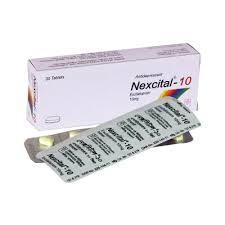
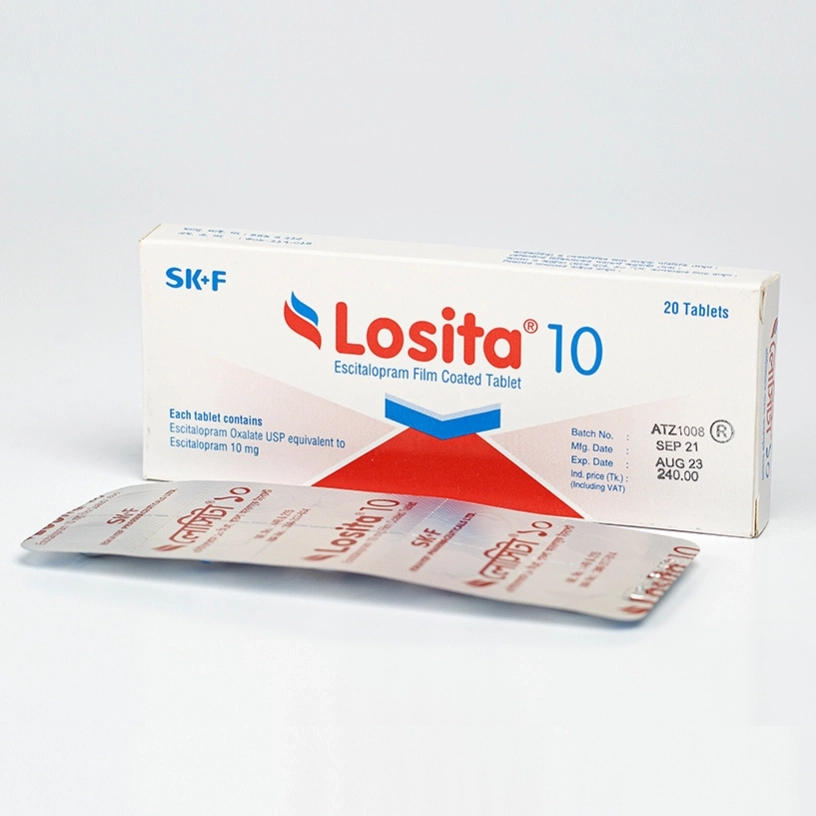
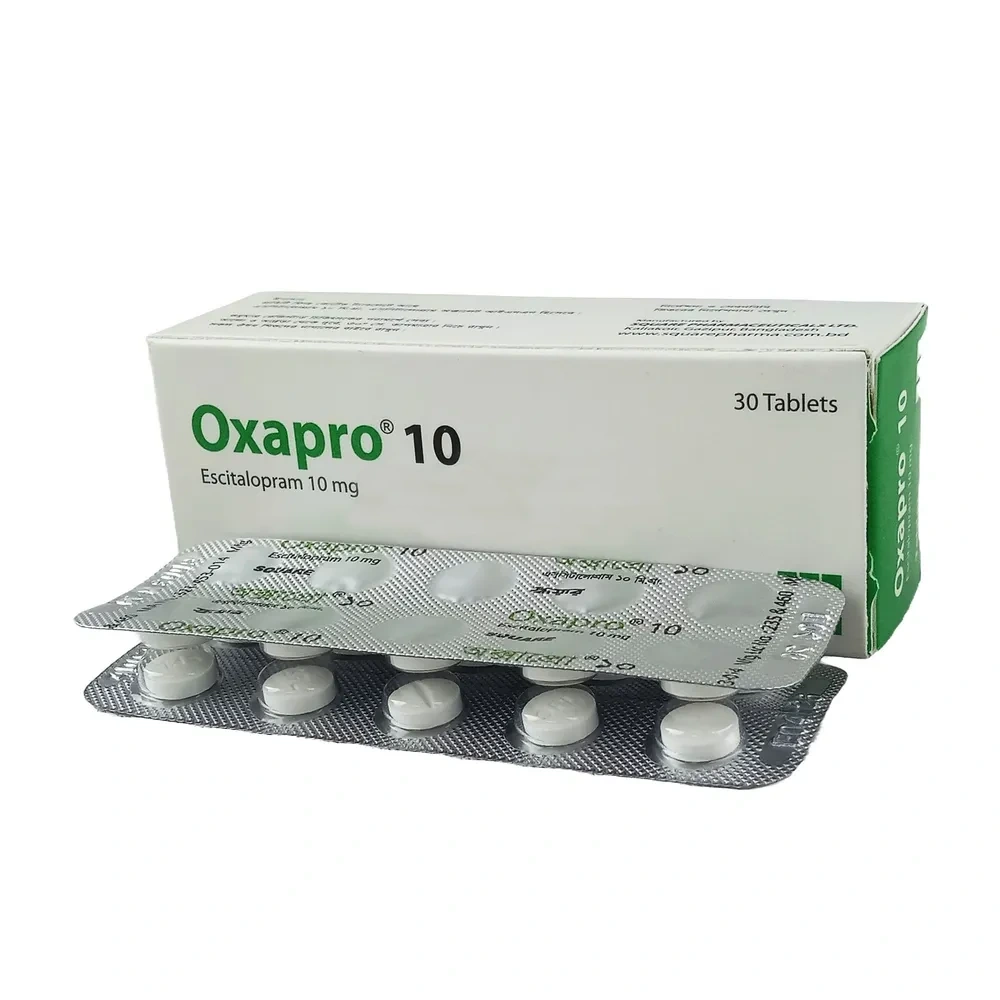
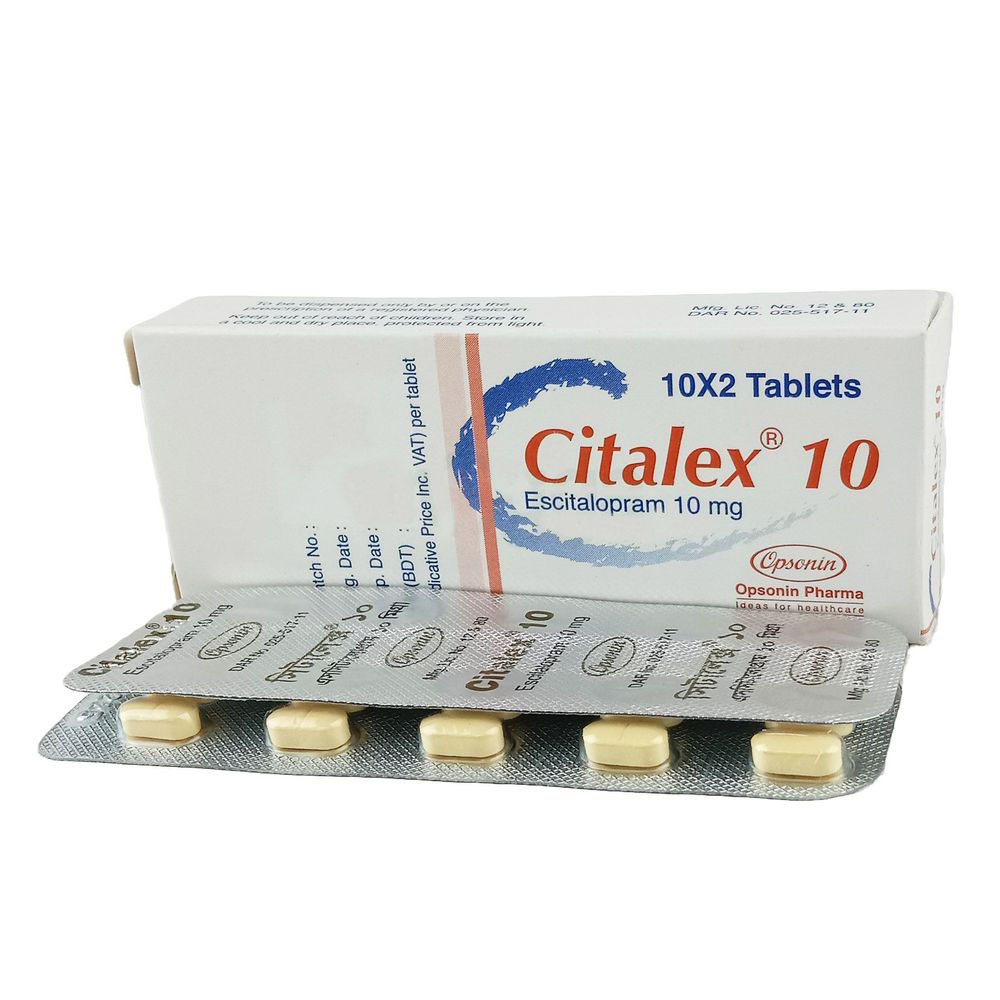
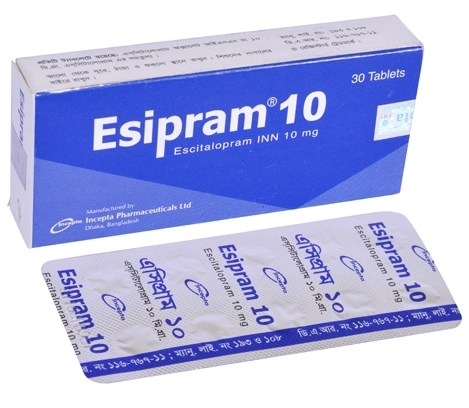
Citalam 10 is widely prescribed to treat depression and other mental health conditions like anxiety, panic disorder, and obsessive-compulsive disorder. It is a type of antidepressant known as a selective serotonin reuptake inhibitor (SSRI).
Citalam 10 helps many people to recover from depression by improving their mood and relieving anxiety and tension. It can be taken with or without food. The dose and how often you need it will be decided by your doctor so that you get the right amount to control your symptoms. Your doctor may start you on a lower dose and increase it gradually. Do not change the dose or stop taking it without talking to your doctor, even if you feel well. Doing so may make your condition worse or you may suffer from unpleasant withdrawal symptoms (anxiety, restlessness, palpitations, dizziness, sleep disturbances, etc).
To get the most benefit, take this medicine regularly at the same time each day. Your doctor may advise you to take it in the morning if you have trouble sleeping. It may take a few weeks before you start feeling better. Let your doctor know if you do not see any improvement even after 4 weeks.
Some common side effects of this medicine include nausea, fatigue, increased sweating, insomnia (difficulty in sleeping), decreased sexual drive, delayed ejaculation, and women may experience difficulties achieving orgasm. Some people may experience sleepiness after taking this medicine. Let your doctor know straight away if you develop any sudden worsening of mood or any thoughts about harming yourself.
Before taking Citalam 10, you should tell your doctor if you have epilepsy (seizure disorder or fits), diabetes, liver or kidney disease, any heart problems, or are currently taking medicines for depression known as MAO inhibitors. These may affect your treatment. Please tell your doctor about all the medicines you are taking to make sure you are safe.
Show less
- Depression
- Anxiety
- Panic disorder
- Obsessive-compulsive disorder
- Anorgasmia (decreased orgasm) in women
- Decreased libido
- Delayed ejaculation
- Fatigue
- Increased sweating
- Insomnia (difficulty in sleeping)
- Nausea
- Sleepiness
-
Take it in the morning since it can keep you awake if taken late at night.
-
Talk to your doctor if you notice sudden mood changes or develop suicidal thoughts.
-
It has a lower chance of causing sexual dysfunction than other similar medications.
-
The addiction or dependence potential of Citalam 10 is very less.
-
Do not stop taking the medication suddenly without talking to your doctor first.
-
Some people can develop dizziness or drowsiness after taking this medicine. Do not drive or do anything that requires mental focus until you know how this medicine affects you
Oral
Anxiety; Depression; Obsessive compulsive disorder
Adult: 10 mg once daily, increased after at least a wk if needed. Max: 20 mg once daily.
Panic disorder with or without agoraphobia
Adult: Initially, 5 mg once daily, increased after a wk to 10 mg once daily. Max: 20 mg daily.
Elderly: Half the adult dose.
Hepatic impairment: Mild to moderate: Initially, 5 mg daily, increased to 10 mg daily after 2 wk if needed. Severe: More careful dose titration needed.
Show less
Major Depressive Disorder
<12 years: Safety and efficacy not established
>12 years: 10 mg PO qDay; may increase dose after at least 3 weeks; not to exceed 20 mg/day
Show less
History of mania or seizure disorders; work requiring mental alertness; renal and hepatic impairment; pregnancy, lactation; withdraw gradually.
Lactation
Excreted in breast milk; consider risk/benefit ratio
Show less
>10%
Headache (24%),Nausea (18%),Ejaculation disorder (9-14%),Somnolence (4-13%),Insomnia (7-12%)
1-10%
Xerostomia (4-9%),Constipation (3-6%),Fatigue (2-8%),Libido decrease (3-7%),Anorgasmia (2-6%),Flatulence (2%),Toothache (2%),Weight gain (1%),Menstrual disorder (2%),Neck/shoulder pain (3%),Rhinitis (5%),Flu-like syndrome (5%),Ejaculation disorder (9-14%)
<1%
Arthralgia,Abdominal pain,Abnormal bleeding,Abnormal dreams,Allergy,Blurred vision,Bronchitis,Chest pain,Constipation,Decreased appetite,Decreased concentration,Disrupts platelets/hemostasis,Dizziness,Dyspepsia,Fever,Heartburn,Hot flashes,Impotence,Irritability,Jaw stiffness,Lethargy,Lightheadedness,Menstrual disorder,Hypertension,Palpitations,Migraine,Myalgia,Paresthesia,Rash,Sweating,Tinnitus,Tremor,Urinary frequency,Urinary tract infection,Vertigo,Vomiting,Yawning
Show less
Pregnancy
There are no adequate and well-controlled studies in pregnant women; therefore, use during pregnancy only if the potential benefit justifies the potential risk to the fetus
In some cases, the clinical picture is consistent with serotonin syndrome
Effect on labor and delivery in humans is unknown
Neonates exposed to escitalopram and other SSRIs/SNRIs
Neonates exposed to SSRIs/SNRIs late in the third trimester have developed complications requiring prolonged hospitalization, respiratory support, and tube feeding
Such complications can arise immediately upon delivery
Reported clinical findings include respiratory distress, cyanosis, apnea, seizures, temperature instability, feeding difficulty, vomiting, hypoglycemia, hypotonia, hypertonia, hyperreflexia, tremor, jitteriness, irritability, and constant crying
These features are consistent with toxic effects of SSRIs and SNRIs or, possibly, drug discontinuation syndrome
Lactation
Escitalopram is excreted in human breast milk
Limited data from women taking 10-20 mg escitalopram showed that exclusively breast-fed infants receive a ~3.9% of the maternal weight-adjusted dose of escitalopram and 1.7% of the maternal weight-adjusted dose of desmethylcitalopram
Caution should be exercised and breastfeeding infants should be observed for adverse reactions when administered to a nursing woman
Show less
Increased risk of bleeding when used with aspirin, NSAIDs or drugs that affect coagulation. Serum levels may be reduced by CYP2C19 inducers (e.g. carbamazepine, rifampin, phenytoin) or CYP3A4 inducers (e.g. nafcillin, nevirapine). Serum levels may also be increased by CYP2C19 inhibitors (e.g. fluconazole, fluvoxamine, omeprazole) or CYP3A4 inhibitors (e.g. azole antifungals, clarithromycin). May increase serum levels of desipramine or metoprolol. Increased risk of serotonin syndrome when used with linezolid or sibutramine. Escitalopram may enhance the sedative effects of alcohol.
Potentially Fatal: Concomitant administration with MAOIs may lead to serious or fatal reactions; should not be started until at least 2 wk after stopping escitalopram or vice versa. Moclobemide may increase the risk of serotonin syndrome.
Show less








Reviews
Clear filtersThere are no reviews yet.