

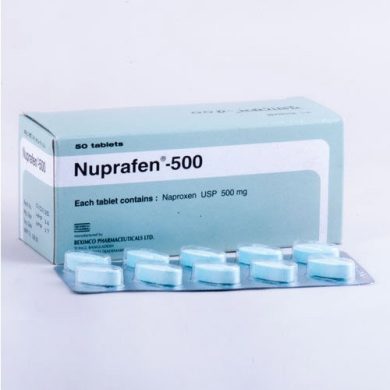



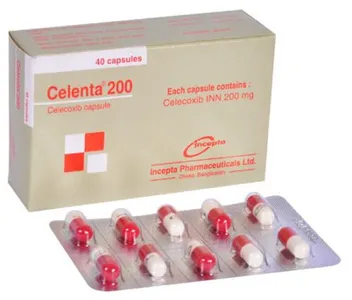
Medicine Overview of Cox B 200mg Capsule
Cox B is a pain relieving medicine. It alleviates pain, redness, and swelling in conditions such as osteoarthritis, rheumatoid arthritis, and pain during menstruation.
Cox B can be taken with or without food. You should take it regularly as advised by your doctor. Your doctor may change the dose and time between doses according to your pain level and your needs. Do not take more or use it for longer than recommended by your doctor.
Some common side effects of this medicine includes abdominal pain, diarrhea, indigestion, flatulence, peripheral edema, and dizziness. If any of these side effects bother you or do not go away, you should let your doctor know. Your doctor may help with ways to reduce or prevent these symptoms by prescribing you an alternative medicine or by adjusting the dose.
The medicine may not be suitable for everybody. Before taking it, let your doctor know if you have any problems with your heart, kidneys, and liver. You should avoid consumption of alcohol while on this medication. Let your doctor know about all the other medicines you are taking because they may affect, or be affected by this medicine. Pregnant and breastfeeding mothers should consult their doctors before using this medicine as it can cause harmful effects to the developing baby.
- Pain relief
- Osteoarthritis
- Rheumatoid arthritis
- Pain during menstruation
- Stomach pain
- Diarrhea
- Flatulence
- Flu-like symptoms
- Peripheral edema
-
Cox B helps relieve pain and inflammation.
-
It may cause fewer stomach problems as compared to other NSAIDs like Ibuprofen or Naproxen.
-
It may cause dizziness and fatigue. Do not drive or do anything requiring concentration until you know how it affects you.
-
Do not consume alcohol while on treatment with this medicine as it may cause excessive drowsiness.
-
Regularly monitor your blood pressure while taking this medicine, particularly in the first two weeks after starting treatment.
-
Inform your doctor if you have a history of stomach ulcers, heart diseases, high blood pressure, and liver or kidney disease.
-
During long-term treatment, your doctor may want to take regular blood tests to monitor your liver function.
-
Do not take Cox B if you are pregnant, planning to conceive, or breastfeeding.
Oral
Osteoarthritis
Adult: 200 mg/day as a single dose or in 2 divided doses. May increase to 200 mg bid, if necessary.
Rheumatoid arthritis
Adult: 100-200 mg bid.
Dysmenorrhoea; Pain relief
Adult: Initially, 400 mg followed by 200 mg if necessary on the 1st day. Maintenance: 200 mg bid.
Ankylosing spondylitis
Adult: Initially, 200 mg/day as a single dose or in 2 divided doses. May increase to 400 mg/day after 6 wk.
Hepatic impairment: Moderate (Child-Pugh category B): Reduce dose by 50%. Severe (Child-Pugh category C or ?10 score): Contraindicated.
Juvenile idiopathic arthritis
Child: >2 yr >10 kg to <25 kg: 50 mg bid;
>25 kg: 100 mg bid.
Hypersensitivity including those in whom attacks of angioedema, rhinitis and urticaria have been precipitated by aspirin, NSAIDs or sulfonamides. Severe hepatic impairment; severe heart failure; inflammatory bowel disease; peptic ulcer; renal impairment (creatinine clearance <30 mL/min); pregnancy and lactation.
History of GI bleeding; renal/hepatic insufficiency; asthma or allergic disorders; hypertension; monitor Hb or haematocrit levels for signs of anaemia. History of cerebrovascular disease or ischaemic heart disease (IHD).
Lactation: Drug enters breast milk; use caution
>10%
Headache (10-16%),Hypertension (13%)
1-10%
Fever (9%),Dyspepsia (8.8%),Upper respiratory tract infection (8.1%),Arthralgia (7%),Cough (7%),Vomiting (6%),Diarrhea (5.6%),Gastroesophageal reflux (5%),Sinusitis (5%),Abdominal pain (4.1%),Nausea (3.5%),Back pain (2.8%),Insomnia (2.3%),Pharyngitis (2.3%),Flatulence (2.2%),Rash (2.2%),Dizziness (2%),Peripheral edema (2%)
<1%
Anemia,Erythema multiforme,Exfoliative dermatitis,Hepatitis,Jaundice,Stevens-Johnson syndrome,Toxic epidermal necrolysis
Frequency Not Defined
Increased serum asparate aminotransferase concentration
Potentially Fatal: Serious skin reactions such as exfoliative dermatitis, Stevens-Johnson syndrome, and toxic epidermal necrolysis.
Pregnancy category: C; D at >30 weeks’ gestation (may cause premature closure of ductus arteriosus)
Lactation: Drug enters breast milk; use caution

Reviews
Clear filtersThere are no reviews yet.