



Introduction
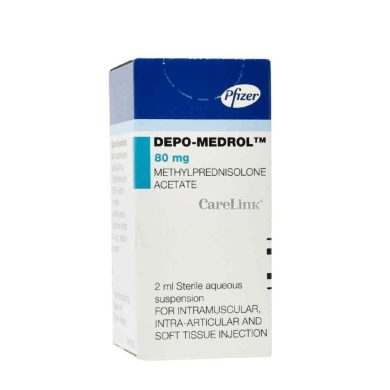
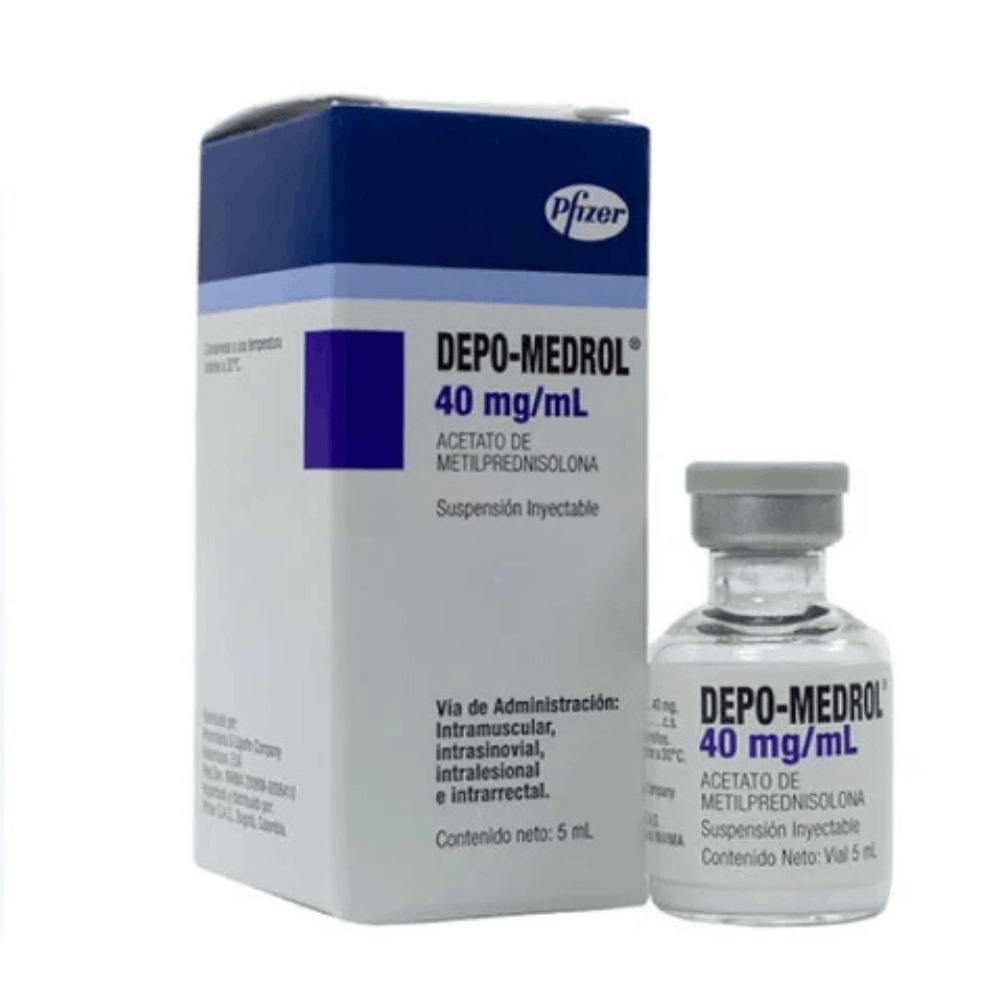
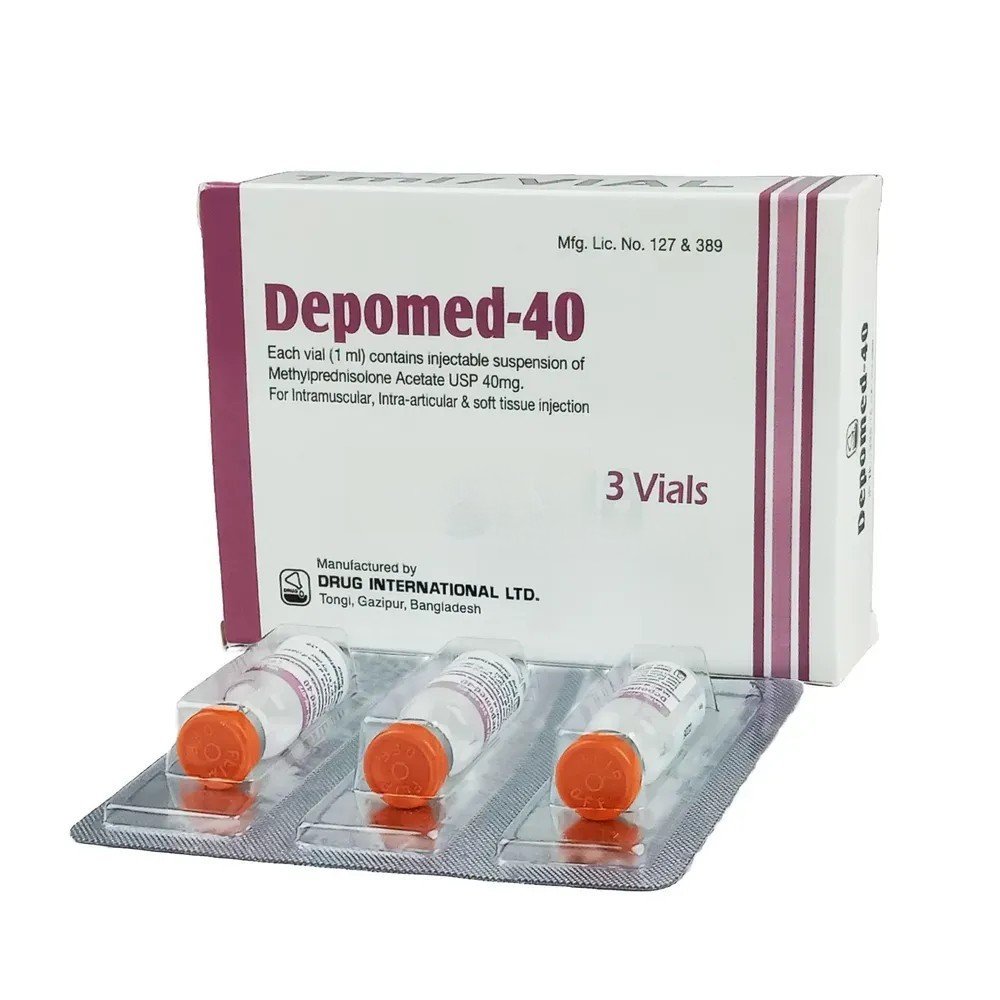
Depo-Medrol 40 is a medicine used to treat wide variety of medical conditions such as severe conditions, asthma, rheumatic disorder, skin and eye disorders, and nephrotic syndrome. It provides relieve by preventing the release of substances that cause inflammation. Depo-Medrol 40 should be taken with food. This will prevent you from getting an upset stomach. The dose and duration will depend on what you are being treated for. You should always take the amount prescribed. Do not take a larger dose or use it more often. Keep taking it regularly even if you feel well. Some conditions will become worse if you stop using this medicine. The most common side effects of this medicine include skin thinning, increased risk of infection, reduction in bone density, weight gain, and mood changes. If these side effects bother you or do not go away, your doctor may suggest ways of preventing or reducing them. Using of this medicine may lower your ability to fight infections so avoid being near people who might pass on infections such as measles, chickenpox, or flu and do not receive a live vaccine while using this medicine. Before using this medicine, you should tell your doctor if you have brittle bones (osteoporosis), mood disorders, high blood pressure, or liver disease. Also tell your doctor if you have diabetes, this medicine may increase blood glucose levels which can cause or worsen diabetes. Many other drugs may affect, or be affected by, this medicine so let your doctor know all other medicines you are using, to make sure it is safe. You should also tell your doctor if you are pregnant, planning to become pregnant or breastfeeding.
_
Uses of Depo-Medrol 40
Rheumatic disorder
Skin disorders
Eye disorders
Nephrotic syndrome
Systemic lupus erythematosus (SLE)
Side effects of Depo-Medrol 40
Common
Thinning of skin
Increased risk of infection
Reduction in bone density
Weight gain
Mood changes
Upset stomach
Behavioural changes
How to use Depo-Medrol 40
Take this medicine in the dose and duration as advised by your doctor. Swallow it as a whole. Do not chew, crush or break it. Depo-Medrol 40 is to be taken with food. Avoid Depo-Medrol 40 with dietary sodium.
How Depo-Medrol 40 works
Depo-Medrol 40 is a steroid which works by blocking the production of certain chemical messengers in the body that cause inflammation (redness and swelling) and allergies.
Quick Tips
Depo-Medrol 40 helps treat inflammation, severe allergies, flare-ups of ongoing illnesses, and many other medical problems that require either reduction of inflammation or suppression of the immune system.
Do not use it more often or for longer than advised by your doctor.
Take it with food to avoid an upset stomach.
Depo-Medrol 40 can make it harder for you to fight off infections. Notify your doctor if you have any signs of infection such as a fever or sore throat.
Side effects such as mood changes or stomach problems can happen when you start taking Depo-Medrol 40. Inform your doctor if this bothers you.
Do not stop taking Depo-Medrol 40 suddenly without talking to your doctor first as it may worsen your symptoms.
Brief Description
Indication
Anti-inflammatory or immunosuppressive, Corticosteroid-responsive dermatoses, Chronic contact dermatitis, Seborrheic dermatitis, Asthmatic patients, Allergic rhinitis (hay fever), Rheumatoid arthritis, Multiple sclerosis, Systemic lupus erythematosus
_
Adult Dose
Intra-articular Anti-inflammatory or immunosuppressive Adult: As methylprednisolone acetate: 4-10 mg (small joints); 10-40 mg (medium joints); 20-80 mg (large joints). May be repeated every 1-5 wk depending on patient’s response. Intralesional Anti-inflammatory or immunosuppressive Adult: As methylprednisolone acetate: 20-60 mg every 1-5 wk depending on patient’s response. Corticosteroid-responsive dermatoses Adult: As methylprednisolone acetate: 20-60 mg is injected into the lesion; 1-4 inj may be given at intervals depending on the type of lesion and the duration of improvement from the initial inj. Intramuscular Administration for Systemic Effect Usual dosing range, 10-80 mg IM every 1-2 weeks; as temporary substitute for PO, given in daily IM dose equal to daily PO dose;for prolonged effect, given in weekly IM dose equal to 7 times daily PO dose; may not be given IV Adrenogenital syndrome a single intramuscular injection of 40 mg every two weeks may be adequate. For maintenance of patients with rheumatoid arthritis the weekly intramuscular dose will vary from 40 to 120 mg. Dermatologic lesions benefited by systemic corticoid therapy 40 to 120 mg of methylprednisolone acetate administered intramuscularly at weekly intervals for one to four weeks. Acute severe dermatitis due to poison ivy relief may result within 8 to 12 hours following intramuscular administration of a single dose of 80 to 120 mg. Chronic contact dermatitis repeated injections at 5 to 10 day intervals may be necessary. Seborrheic dermatitis a weekly dose of 80 mg may be adequate to control the condition. Asthmatic patients, Allergic rhinitis (hay fever) IM administration of 80 to 120 mg, relief may result within 6 to 48 hours and persist for several days to two weeks.
_
Contraindication
Methylprednisolone acetate is contraindicated in patients with known hypersensitivity to the product and its constituents. Intramuscular corticosteroid preparations are contraindicated for idiopathic thrombocytopenic purpura. Methylprednisolone acetate injectable suspension is contraindicated for intrathecal administration. Methylprednisolone acetate is contraindicated in systemic fungal infections, except when administered as an intra-articular injection for localized joint conditions
_
Mode of Action
Methylprednisolone is a synthetic corticosteroid with mainly glucocorticoid activity and minimal mineralocorticoid properties. It decreases inflammation by suppression of migration of polymorphonuclear leukocytes and reversal of increased capillary permeability.
Precaution
Patient w/ heart failure, HTN, DM, GI disease (e.g. diverticulitis, intestinal anastomoses, peptic ulcer, ulcerative colitis), multiple sclerosis, myasthenia gravis, acute MI, cataracts, glaucoma, osteoporosis, history of seizure disorder, thyroid disease. Avoid abrupt withdrawal. Renal and hepatic impairment (including cirrhosis). Childn. Pregnancy and lactation. Monitoring Parameters Monitor BP, blood glucose, electrolytes, growth in childn. Lactation: Drug enters milk; use with caution
_
Side Effect
Allergic Reactions Allergic or hypersensitivity reactions, anaphylactoid reaction, anaphylaxis, angioedema. Cardiovascular Bradycardia, cardiac arrest, cardiac arrhythmias, cardiac enlargement, circulatory collapse, congestive heart failure, fat embolism, hypertension, hypertrophic cardiomyopthy in premature infants, myocardial rupture following recent mycocardial infarction , pulmonary edema, syncope, tachycardia, thromboembolism, thrombophlebitis, vasculitis. Dermatologic Acne, allergic dermatitis, cutaneous and subcutaneous atrophy, dry scaly skin, ecchymoses and petechiae, edema, erythema, hyperpigmentation, hypopigmentation, impaired wound healing, increase sweating, rash, sterile abscess, striae, suppressed reactions to skin tests, thin fragile skin, thinning scalp hair, urticaria. Endocrine Decreased carbohydrate and glucose tolerance, development of cushingoid state, glycosuria, hirsutism, hypertrichosis, increased requirements for insulin or oral hypoglycemic agents in diabetes, manifestations of latent diabetes mellitus, menstrual irregularities, secondary adrenocortical and pituitary unresponsiveness (particularly in times of stress, as in trauma, surgery, or illness), suppression of growth in pediatric patients. Fluid and Electrolyte Disturbances Congestive heart failure in susceptible patients, Fluid retention, hypokalemic alkalosis, potassium loss, sodium retention. Gastrointestinal Abdominal distention, bowel/bladder dysfunction (after intrathecal administration), elevation in serum liver enzymes levels (usually reversible upon discontinuation), hepatomegaly, increased appetite, nausea, pancreatitis, peptic ulcer with possible subsequent perforation and hemorrhage, perforation of the small and large intestine (particularly in patients with inflammatory bowel disease), ulcerative esophagitis. Musculoskeletal Aseptic necrosis of femoral and humeral heads, calcinosis (following intra-articular or intra-lesional use), Charcot-like arthropathy, loss of muscle mass, muscle weakness, osteoporosis, pathologic fracture of long bones, postinjection flare (following intra-articular use), steroid myopathy, tendon rupture, vertebral compression fractures. Neurologic/Psychiatric Convulsions, depression, emotional instability, euphoria, headache, increased intracranial pressure with papilledema (pseudotumor cerebri) usually following discontinuation of treatment, insomnia, mood swings, neuritis, neuropathy, paresthesia, personality changes, psychic disorders, vertigo. Ophthalmic Exophthalmoses, glaucoma, increased intraocular pressure, posterior subcapsular cataracts.
_
Interaction
Loss of corticosteroid-induced adrenal suppression w/ aminoglutethimide. Risk of hypokalaemia w/ K-depleting agents (e.g. amphotericin B, diuretics). Decreased clearance w/ macrolide antibiotics. May decrease serum levels of isoniazid. Increased clearance w/ cholestyramine. Risk of convulsions w/ ciclosporin. Increased risk of arrhythmias w/ digitalis glycosides. Decreased metabolism w/ oestrogens, including OCs. Enhanced metabolism w/ CYP3A4 inducers (e.g. rifampicin, barbiturates). Increased plasma concentrations w/ CYP3A4 inhibitors (e.g. ketoconazole, erythromycin). Risk of GI effects w/ aspirin or other NSAIDs. May increase the anticoagulant effect of warfarin. May reduce the therapeutic effect of antidiabetics. Potentially Fatal: May diminish response to live or live, attenuated vaccines.
_



Reviews
Clear filtersThere are no reviews yet.