


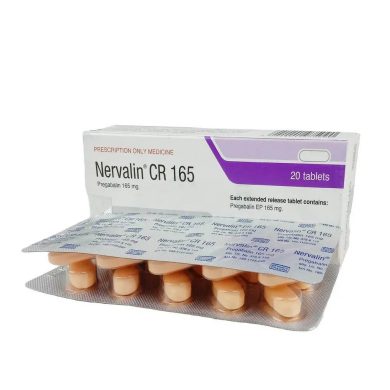
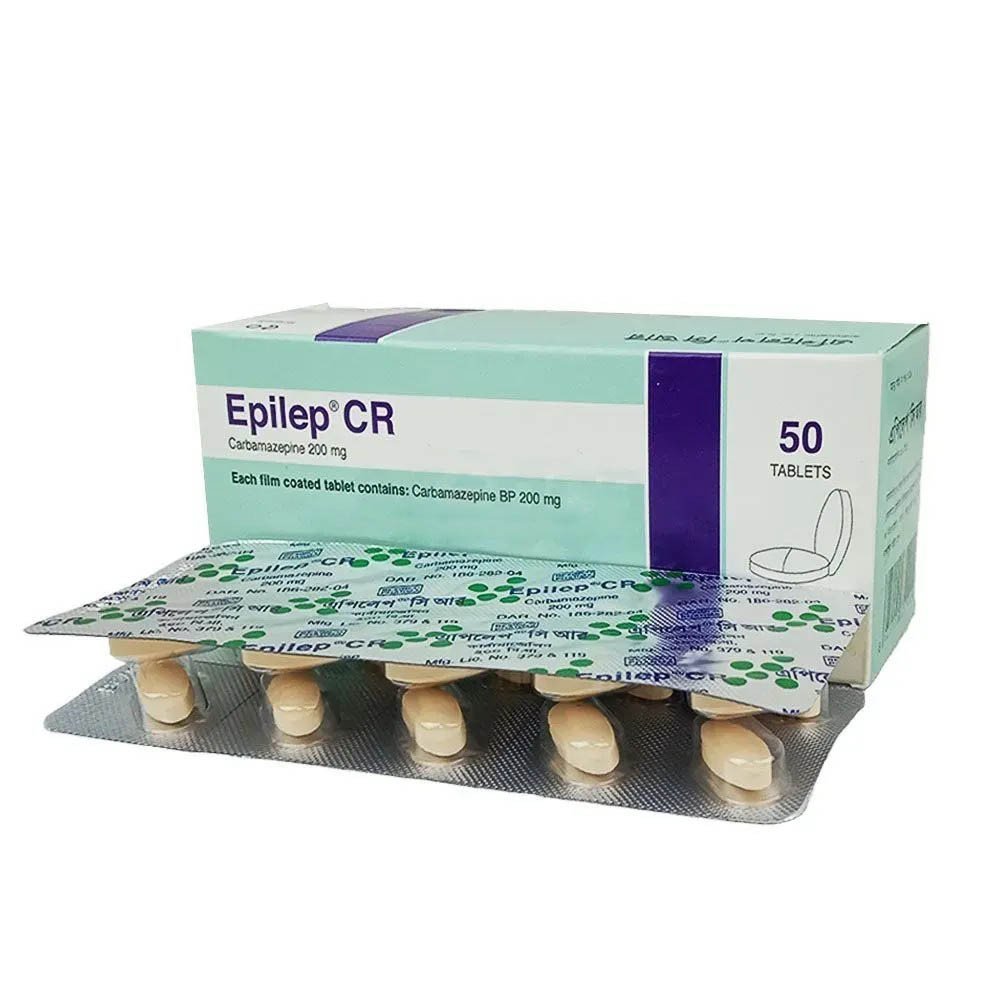

Medicine Overview of Epilep CR 200mg Tablet
Epilep CR 200 is an anti-epileptic medicine used to treat epilepsy. It helps prevent certain types of seizures (fits). It is also prescribed for a painful condition of the face, head, and neck known as trigeminal neuralgia and diabetes-related nerve pain (diabetic neuropathy).
Epilep CR 200 is also occasionally used to treat certain serious mood disorders (eg. bipolar disorder) when other medicines have not worked. The dose and how often you need to take it will be decided by your doctor so that you get the right amount to control your symptoms. It may be increased gradually. Many other medicines can interfere with this medicine so tell your doctor about all the medicines you are taking to make sure it is safe.
You can take this medicine with or without food but take it regularly at the same time each day to get the maximum benefit. It is important to take this medicine for as long as you are advised, even if you feel well. Missing even a single dose may trigger a seizure and, if you stop taking it abruptly, your condition may get worse.
The most common side effects of this medicine include nausea, vomiting, feeling dizzy, tired or drowsy, unsteadiness (balance disorder), constipation, dry mouth, and itching. Some people may develop blurring of vision and slurred speech. Most of the side effects are not serious. However, let your doctor know straight away if you notice a skin rash or if your mood becomes depressed or if you develop any thoughts about harming yourself.
Before taking Epilep CR 200, tell your doctor if you have any heart problems, kidney or liver disease, difficulty in urinating, epilepsy (seizure disorder or fits), or any mental illness like depression. These conditions may affect your treatment. You may be advised some blood tests (eg. CBC) before starting treatment and then periodically thereafter, to monitor your progress.
- Epilepsy/Seizures
- Trigeminal neuralgia
- Balance disorder (loss of balance)
- Dizziness
- Drowsiness
- Nausea
- Slurred speech
- Vomiting
- Blurred vision
- Constipation
- Dryness in mouth
- Fatigue
- Itching
-
Take your medication regularly as directed by your doctor as missing doses can trigger seizures.
-
Do not change the brand of your medicine and make sure that you have sufficient amount of medicine present with you.
-
Some healthy tips to prevent seizures:
-
It may cause dizziness and sleepiness. Do not drive or do anything that requires mental focus until you know how it affects you.
-
Your doctor may get regular tests done to monitor the level of blood cells in your blood while taking this medication.
-
Talk to your doctor if you notice sudden mood changes or develop suicidal thoughts.
-
Inform your doctor if you notice a rash or other skin changes such as reddish spot or circular patches while taking this medicine.
-
Do not stop taking the medication suddenly without talking to your doctor as it may increase the seizure frequency.
Oral
Epilepsy
Adults – Initial: Either 200 mg b.i.d. for tablets and XR tablets, or 1 teaspoon q.i.d. for suspension (400 mg/day).
Increase at weekly intervals by adding up to 200 mg/day using a b.i.d or a t.i.d. or q.i.d. regimen of the either formulations until the optimal response is obtained.
Doses up to 1600 mg daily have been used in adults in rare instances.
Maintenance: usually 800-1200 mg daily.
Trigeminal neuralgia
Adult: Initially, 100-200 mg bid, increased gradually as needed. Maintenance: 400-800 mg daily in divided doses. Max: 1.2 g daily.
Prophylaxis of bipolar disorder
Adult: Initially, 400 mg daily in divided doses, increased gradually as necessary. Maintenance: 400-600 mg daily in divided doses. Max: 1.6 g daily.
Epilepsy
<6 Years
Initial (oral suspension): 10-20 mg/kg/day PO q6hr
Initial (tablet): 10-20 mg/kg/day PO q8-12hr
Maintenance: For tablets or suspension may divide frequency into 3-4 times daily not to exceed 35 mg/kg/day
6-12 Years
Initial (oral suspension): 50 mg PO q6hr
Initial (tablet, immediate- or extended-release): 100 mg PO q12hr; may increase qWeek by 100 mg/day
Maintenance: 400-800 mg/day PO q6-8hr (immediate-release); q12hr (extended-release)
Not to exceed 1000 mg/day
>12 Years
Initial (oral suspension): 10 mL (200 mg) PO q6hr
Initial (tablet, immediate- or extended-release): 200 mg PO q12hr
May increase by up to 200 mg/day qWeek; q12hr (extended-release tablet); q6-8hr (other formulations)
12-15 years: Dose not to exceed 1000 mg/day
>15 years: Dose not to exceed 1200 mg/day
Lactation; CV disease, hepatic or renal disorders, history of blood disorders or haematological reactions to other drugs; glaucoma; skin disorders; elderly, patients on MAO inhibitors; abrupt withdrawal of treatment.
Lactation: Enters breast milk; not recommended (AAP states compatible with nursing; however, adverse reactions in breastfeeding infant are possible; take into account the importance of the drug to the mother before deciding to discontinue breastfeeding or the drug)
>10%
Ataxia (15%),Dizziness (44%),Drowsiness (32%),Nausea (29%),Vomiting (18%)
1-10%
Dry mouth (8%)
Rare
MI,Stevens-Johnson syndrome
Hepatic failure,Punctate cortical lens opacities,Syndrome of inappropriate antidiuretic hormone secretion (SIADH)
Frequency Not Defined
Hemopoietic system: Aplastic anemia, agranulocytosis, pancytopenia, bone marrow depression, thrombocytopenia, leukopenia, leukocytosis, eosinophilia, anemia, acute intermittent porphyria, variegate porphyria, porphyria cutanea tarda
Skin: Toxic epidermal necrolysis (TEN) and Stevens-Johnson syndrome (SJS) (see Black Box Warnings), pruritic and erythematous rashes, urticaria, photosensitivity reactions, alterations in skin pigmentation, exfoliative dermatitis, erythema multiforme and nodosum, purpura, aggravation of disseminated lupus erythematosus, alopecia, diaphoresis, and onychomadesis
Cardiovascular system: Congestive heart failure, edema, aggravation of hypertension, hypotension, syncope and collapse, aggravation of coronary artery disease, arrhythmias and AV block, thrombophlebitis, thromboembolism, and adenopathy or lymphadenopathy
Liver: Abnormalities in liver function tests, cholestatic and hepatocellular jaundice, hepatitis; very rare cases of hepatic failure
Pancreatic: Pancreatitis
Respiratory System: Pulmonary hypersensitivity characterized by fever, dyspnea, pneumonitis, or pneumonia
Genitourinary System: Urinary frequency, acute urinary retention, oliguria with elevated blood pressure, azotemia, renal failure, and impotence (rare reports of impaired male fertility and/or abnormal spermatogenesis)
Laboratory: Albuminuria, glycosuria, elevated BUN, decreased plasma calcium, and microscopic deposits in the urine
Nervous system: Dizziness, drowsiness, disturbances of coordination, confusion, headache, fatigue, blurred vision, visual hallucinations, transient diplopia, oculomotor disturbances, nystagmus, speech disturbances, abnormal involuntary movements, peripheral neuritis and paresthesias, depression with agitation, talkativeness, tinnitus, hyperacusis, neuroleptic malignant syndrome; isolated cases of neuroleptic malignant syndrome
Digestive system: Nausea, vomiting, gastric distress and abdominal pain, diarrhea, constipation, anorexia, and dryness of the mouth and pharynx, including glossitis, and stomatitis
Eyes: Scattered punctate cortical lens opacities, increased intraocular pressure as well as conjunctivitis
Musculoskeletal system: Aching joints and muscles, and leg cramps
Metabolism: Fever and chills; SIADH; cases of frank water intoxication, with decreased serum sodium (hyponatremia) and confusion; decreased levels of plasma calcium leading to osteoporosis
Potentially Fatal: Agranulocytosis, aplastic anaemia, hepatic failure, severe exfoliative dermatitis and Stevens-Johnson syndrome.
Pregnancy category: D
Lactation: Enters breast milk; not recommended (AAP states compatible with nursing; however, adverse reactions in breastfeeding infant are possible; take into account the importance of the drug to the mother before deciding to discontinue breastfeeding or the drug)
Increased plasma levels w/ CYP3A4 inhibitors (e.g. cimetidine). Decreased plasma levels w/ CYP3A4 inducers (e.g. cisplatin). Increased risk of neurotoxic side effects w/ lithium. May decrease the effect of hormonal contraceptives. Increased plasma levels of active metabolite carbamazepine-10, 11-epoxide w/ loxapine, quetiapine, primidone, progabide, valproic acid and valpromide. May increase cyclophosphamide levels. May reduce exposure of aripiprazole. May reduce plasma levels of tacrolimus, temsirolimus and lapatinib. May increase risk of isoniazid-induced hepatotoxicity. Risk of symptomatic hyponatraemia w/ diuretics (e.g. hydrochlorothiazide, furosemide).
Potentially Fatal: May decrease serum concentrations of nefazodone and its active metabolites. Toxic reactions may develop when taken concurrently w/ MAOIs.







Reviews
Clear filtersThere are no reviews yet.