




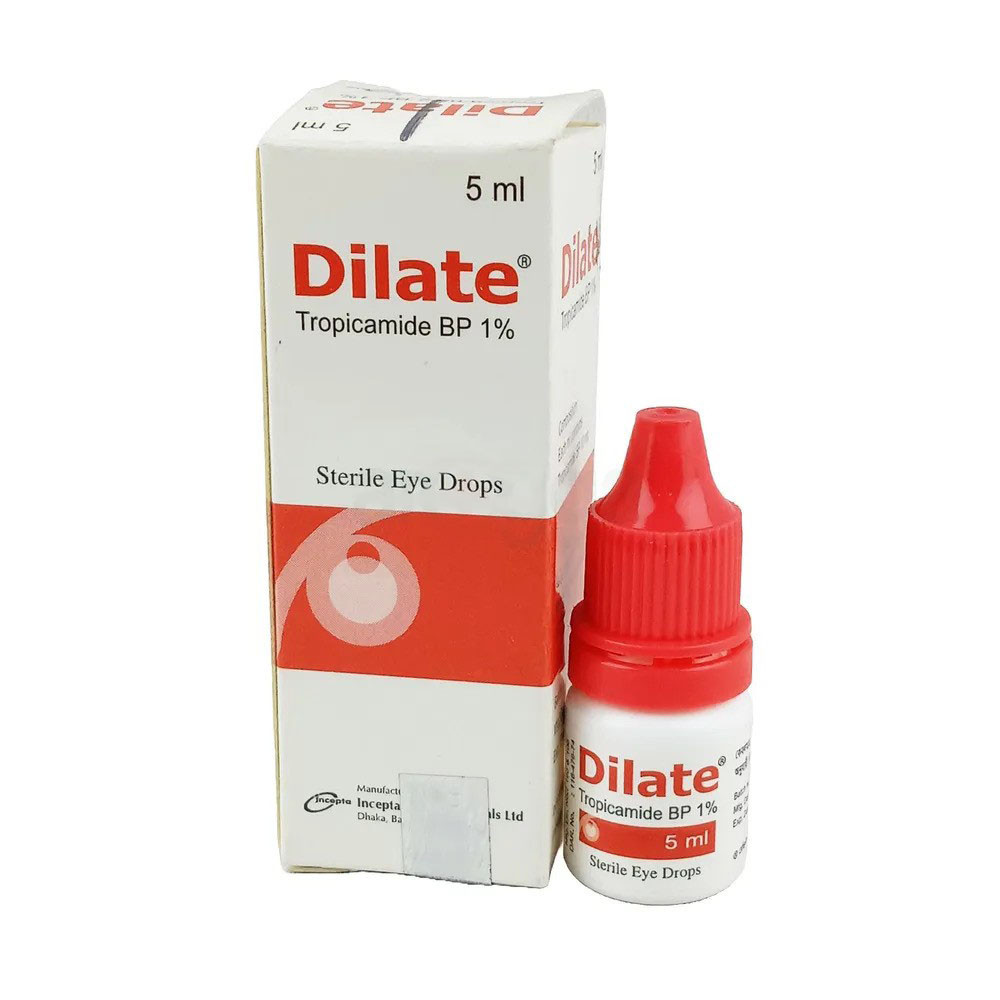
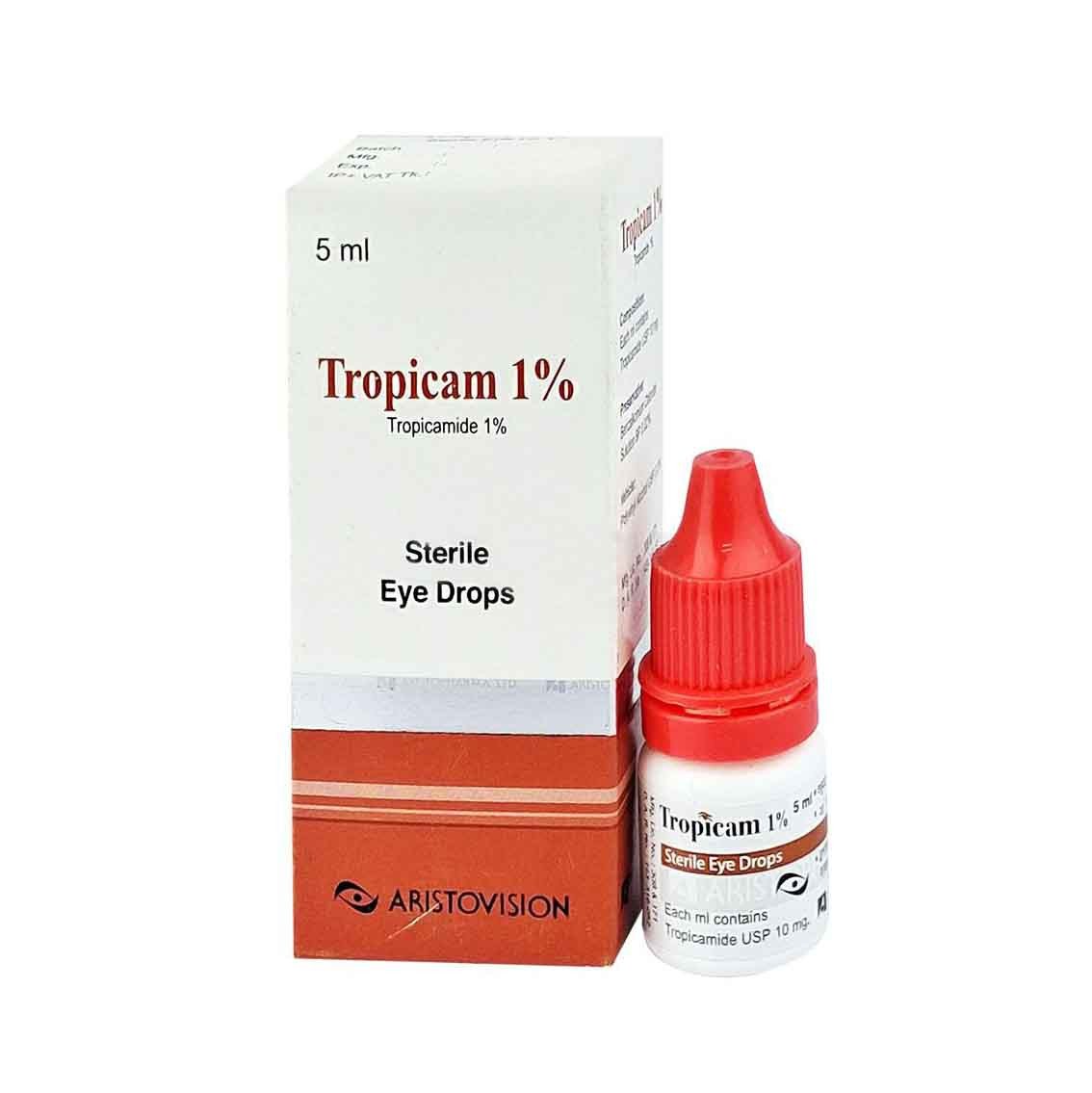
Medicine Overview of Eyetrop 1% 1% Eye Drop
Eyetrop 1% is used before eye examinations and to treat an eye condition called uveitis. It acts by enlarging the pupil of the eyes and helps the doctor visualize the eye more closely. It reduces redness and swelling in the eyes after cataract surgery.
Eyetrop 1% is for external use only. Use it in the dose and duration as advised by the doctor. Refrain from touching the tip of the dropper to any surface to avoid contaminating the eye drops.
Using Eyetrop 1% can make your eyes more sensitive to light. Thus, wear sunglasses to protect your eyes from sunlight and other bright lights. The common side effects include burning sensation, irritation, or temporarily blurring of the vision. Usually, these symptoms resolve quickly.
However, if the symptoms persists for a longer duration, contact your doctor. It is not advised to drive after using this medicine as it may cause blurring of the vision.
- Eye examination
- Uveitis
- Stinging in the eyes
- Blurred vision
- Dryness in mouth
-
Eyetrop 1% enlarges the pupil for eye examination and is commonly used in adults.
-
It also reduces inflammation (redness and swelling) after cataract surgery.
-
Apply pressure on the corner of the eye (close to the nose) for about 1 minute, immediately after instilling the drop.
-
Wait for at least 5-10 minutes before delivering the next medication in the same eye to avoid dilution.
-
Stinging sensation may occur for 1-2 mins. Notify your doctor if it persists for longer.
-
Make sure to use within 4 weeks of opening the bottle.
Ophthalmic
Production of cycloplegia
Adult: Instill 1-2 drops of a 1% solution repeated after 5 minutes. An additional drop may be admin after 20-30 minutes for prolonged effect.
Ophthalmic
Production of cycloplegia
Child: Instill 1-2 drops of a 1% solution repeated after 5 minutes. An additional drop may be admin after 20-30 minutes for prolonged effect.
Transient stinging, blurred vision, photophobia and superficial punctate keratitis have been reported with the use of tropicamide. Increased intraocular pressure has been reported following the use of mydriatics.
Dryness of the mouth, tachycardia, headache, allergic reactions, nausea, vomiting, pallor, central nervous system disturbances and muscle rigidity have been reported with the use of tropicamide.







Reviews
Clear filtersThere are no reviews yet.