




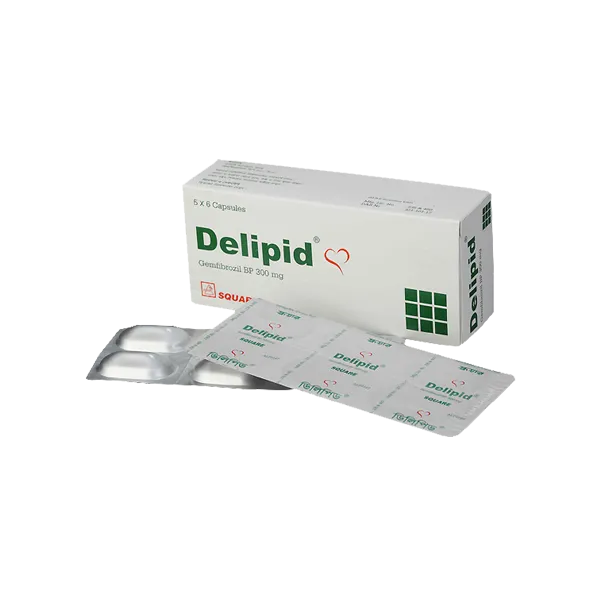
Medicine Overview of Fibril 300mg Capsule
Fibril is a medicine used to treat high cholesterol. This medicine helps by lowering triglycerides and “bad” cholesterol (LDL), while at the same time raising the levels of “good” cholesterol (HDL). Lowering cholesterol levels reduces the risk of heart attack and stroke.
Fibril should be taken in the dose and duration as advised by the doctor. You can take it at any time of day without food but try to take it at the same time each day. Most people with high cholesterol do not feel ill, but if you stop taking this medicine, your condition could get worse. This may lead to your cholesterol levels rising up again and increase your risk of heart disease and stroke. It is important to have your cholesterol levels checked regularly.
This medicine is only one part of a treatment program which should also include a healthy diet, regular exercise, smoking cessation, moderation of alcohol intake and weight reduction. You can eat normally while taking this medicine, but try to avoid foods that are high in fat.
Common side effects of this medicine include nausea, abdominal pain, diarrhea, and vomiting. Before taking this medicine it is better to let your doctor know about all the other medicines that are prescribed to you. This medicine should be taken with caution if you are suffering from any kidney or liver disease. Also, pregnant women and breastfeeding mothers should not take this medicine without consulting the doctor.
- High triglycerides
- High cholesterol
- Increased liver enzymes
- Vomiting
- Nausea
- Abdominal pain
- Diarrhea
- Flatulence
-
It should be taken with food.
-
Avoid alcohol consumption while taking this medication.
-
Your doctor may check your liver function before starting treatment and regularly thereafter. Notify your doctor if you are more tired than usual, do not feel hungry, or if you have yellow eyes, skin or dark urine.
-
Inform your doctor if you experience muscle pain, tenderness, cramps, or weakness while taking Fibril, particularly if it is accompanied by a fever.
-
Do not discontinue Fibril without consulting your doctor even if you feel better.
Hypertriglyceridemia, Hypercholesterolemia
600 mg PO q12hr
Hepatic impairment
Contraindicated
Renal impairment
Mild to moderate: Use caution, if baseline serum creatine in patient is >2mg/dL; deterioration of renal function reported in such patients
Severe: Contraindicated
Causes of secondary hyperlipidaemia such as hypothyroidism and diabetes must be treated before initiating therapy. Renal impairment; blood disorders. Periodic monitoring of the serum lipids should be done; if no adequate response after 3 mth, treatment should be withdrawn. May increase risk of cholelithiasis.
Lactation: Not recommended
>10%
Dyspepsia (20%)
1-10%
Abdominal pain (10%),Atrial fibrillation (1%),Diarrhea (7%),Fatigue (4%),N/V (3%),Eczema (2%),Rash (2%),Vertigo (2%),Constipation (1%),Headache (1%)
<1%
Myalgia,Rhabdomyolysis (especially with admin with statin),Acute appendicitis,Cholelithiasis,Angioedema,Hypokalemia,Eosinophilia,Myopathy,Synovitis,Taste disturbance,Xerostomia,Flatulence,Rash
Potentially Fatal: Bone marrow hypoplasia; intracranial haemorrhage; nephrotoxicity; peripheral neuritis.
Co-admin with repaglinide may increase serum levels of repaglinide. May enhance effects of oral anticoagulants. May also increase the plasma concentrations of ciclosporin and associated nephrotoxicity when used concurrently.
Potentially Fatal: Increased risk of myopathy and rhabdomyolysis when used with HMG-CoA reductase inhibitors.



Reviews
Clear filtersThere are no reviews yet.