



Introduction
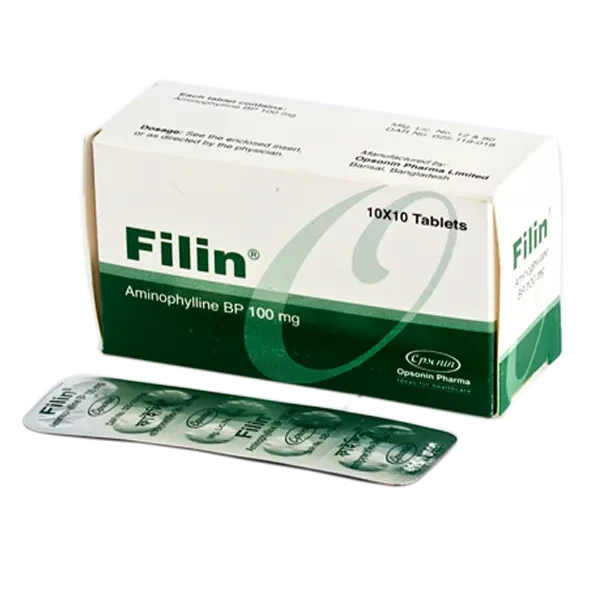
Filin is used to treat and prevent symptoms of asthma and chronic obstructive pulmonary disorder (a lung disorder in which flow of air to the lung is blocked). It helps in relaxing the muscles of the air passages, thus widening it and making it easier to breathe. Filin can be taken with the food in evening. But take it at the same time every day to get the most benefit. The dose and how often you take it depends on what you are taking it for. Your doctor will decide how much you need to improve your symptoms. You should take this medicine for as long as it is prescribed for you. Do not miss even a single dose, if in any case, you missed a dose, take it as soon as you remember or better to skip the missed dose and continue with regular dosing. It does not work immediately or prevent the already started breathing trouble, hence always carry your medical inhaler with you for an emergency. The most common side effects of this medicine include headache, insomnia (difficulty sleeping), vomiting, and nausea. If these bother you or appear serious, let your doctor know. There may be ways of reducing or preventing them. Generally, it is advised not to consume alcohol or do not smoke while on treatment. You must avoid high caffeinated products like coffee, tea, and dark chocolates as it enhances drug side effects. Before taking this medicine, let your doctor if you have kidney or liver disease or if you have heart-related problems. Your doctor should also know about all other medicines you are taking as many of these may make this medicine less effective or change the way it works. Inform your doctor if you are pregnant or breastfeeding before starting the treatment.
_
Uses of Filin
Asthma
Chronic obstructive pulmonary disease (COPD)
Side effects of Filin
Common
Headache
Insomnia (difficulty in sleeping)
Vomiting
Nausea
How to use Filin
Take this medicine in the dose and duration as advised by your doctor. Swallow it as a whole. Do not chew, crush or break it. Filin is to be taken empty stomach.
How Filin works
Filin is a bronchodilator. It works by relaxing the muscles of the airways and widens airways. This makes breathing easier.
Quick Tips
You have been prescribed Filin for prevention and treatment of asthma and chronic obstructive pulmonary disease (COPD).
It should be taken at the same time each day, preferably in the evening after food.
It does not work right away and should not be used to relieve sudden breathing problems. Always keep a fast-acting (rescue) inhaler with you.
Your doctor may take regular blood test to monitor potassium level and the level of this medicine in your body.
Notify your doctor if you have ever been diagnosed with kidney, liver or heart disease, or if you have a smoking history. Your dose may need to be adjusted.
Do not discontinue use without consulting your doctor, even if you feel better.
Brief Description
Indication
Oral Chronic bronchospasm Adult: As hydrate: Initially, 225-450 mg bid, increased if necessary. Intravenous Acute severe bronchospasm Adult: Loading dose: 5 mg/kg (ideal body weight) or 250-500 mg (25 mg/ml) by slow inj or infusion over 20-30 min. Maintenance infusion dose: 0.5 mg/kg/hr. Max rate: 25 mg/min. Elderly: Dose reduction may be ncessary. Hepatic impairment: Dose reduction may be ncessary.
_
Administration
Other xanthines. Clearance reduced by allopurinol, some antiarrhythmics, cimetidine, disulfiram, fluvoxamine, interferon-alpha, macrolide antibiotics, quinolones, oral contraceptives, thiabendazole and viloxazine. Clearance increased by phenytoin, anticonvulsants, ritonavir, rifampicin, sulfinpyrazone, cigarette smoking. Corticosteroids, diuretics, beta2-agonists. Potentially Fatal: Increased risk of cardiac arrhythmias with sympathomimetics and halothane. Tachycardia with pancuronium. beta-blockers inhibit metabolism. Increased risk of convulsion with quinolones, ketamine.
_
Adult Dose
Neonates, elderly, lactation, pregnancy, cardiac/hepatic diseases, peptic ulceration, hyperthyroidism, hypertension, epilepsy, heart failure, chronic alcoholism, acute febrile illness.
Renal Dose
Aminophylline is a combination of theophylline and ethylenediamine. Ethylenediamine is inactive; it increases the solubility of theophylline in water. Theophylline relaxes bronchial smooth muscle. Suggested mechanisms are an increase in intracellular cAMP through inhibition of phosphodiesterase; adenosine receptor antagonism, prostaglandin antagonism and effects on intracellular calcium.
Contraindication
Oral Chronic bronchospasm Child: >3 yr: As modified-release hydrate: 12 mg/kg daily increased to 24 mg/kg daily in 2 divided doses after 1 wk. Intravenous Acute severe bronchospasm Child: Loading dose: same as adult dose. Maintenance dose: 6 mth-9 yr: 1 mg/kg/hr and 10-16 yr: 0.8 mg/kg/hr.
_
Mode of Action
Should be taken on an empty stomach. Take on an empty stomach at least 1 hr before or 2 hr after meals.
Precaution
Asthma, Acute bronchospasm, Chronic bronchitis, Emphysema, COPD
Pregnancy Category Note
Nausea, vomiting, abdominal pain, diarrhoea, headache, insomnia, dizziness, anxiety, restlessness; tremor, palpitations. Potentially Fatal: Convulsions, cardiac arrhythmias, hypotension and sudden death after too rapid IV injection.
_
Interaction
Hypersensitivity.

Reviews
Clear filtersThere are no reviews yet.