

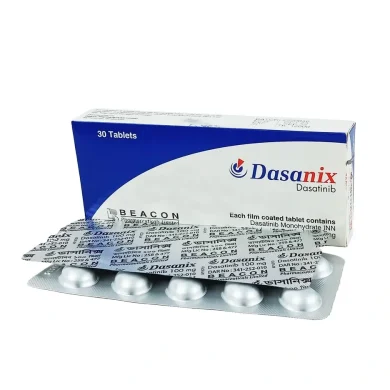


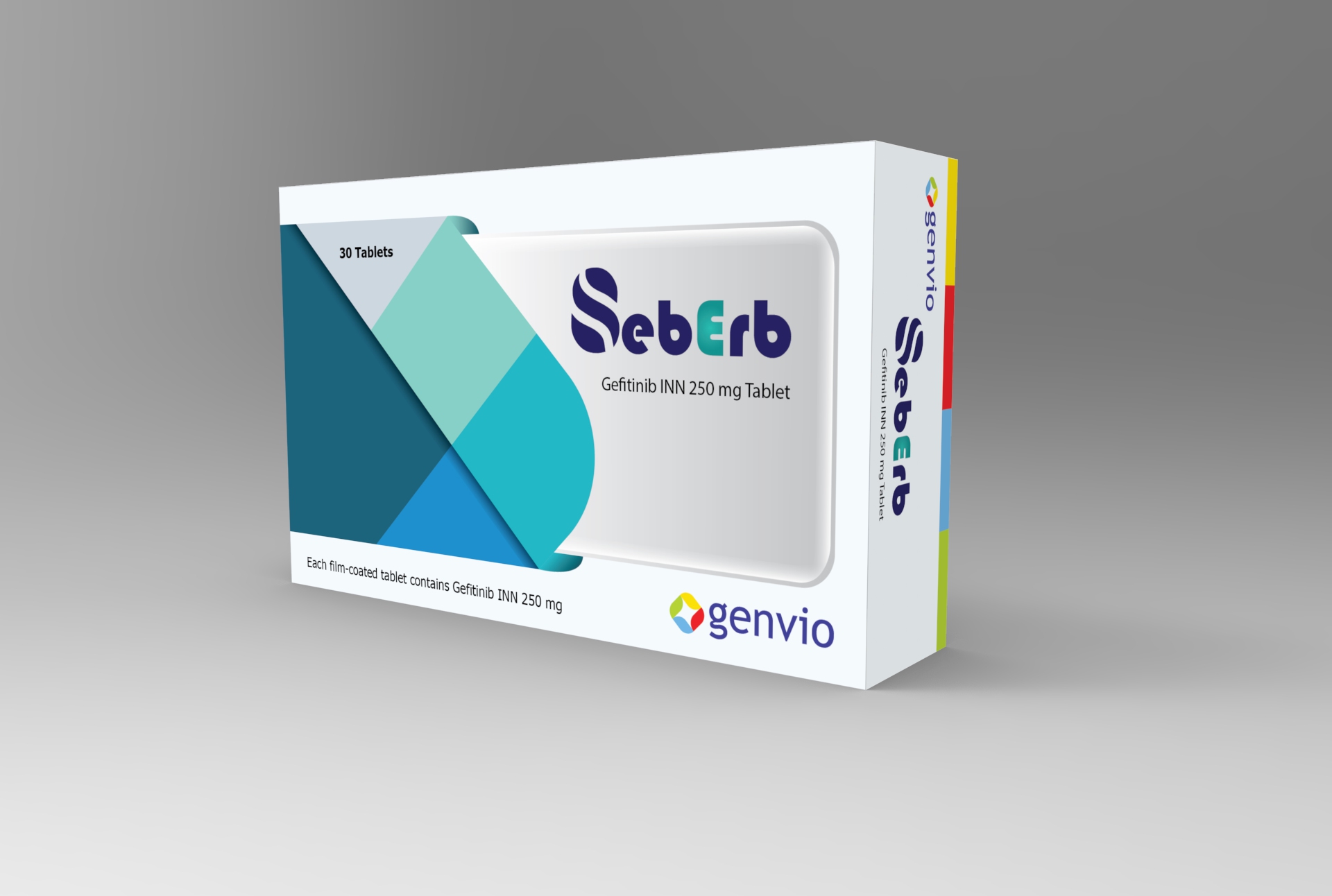
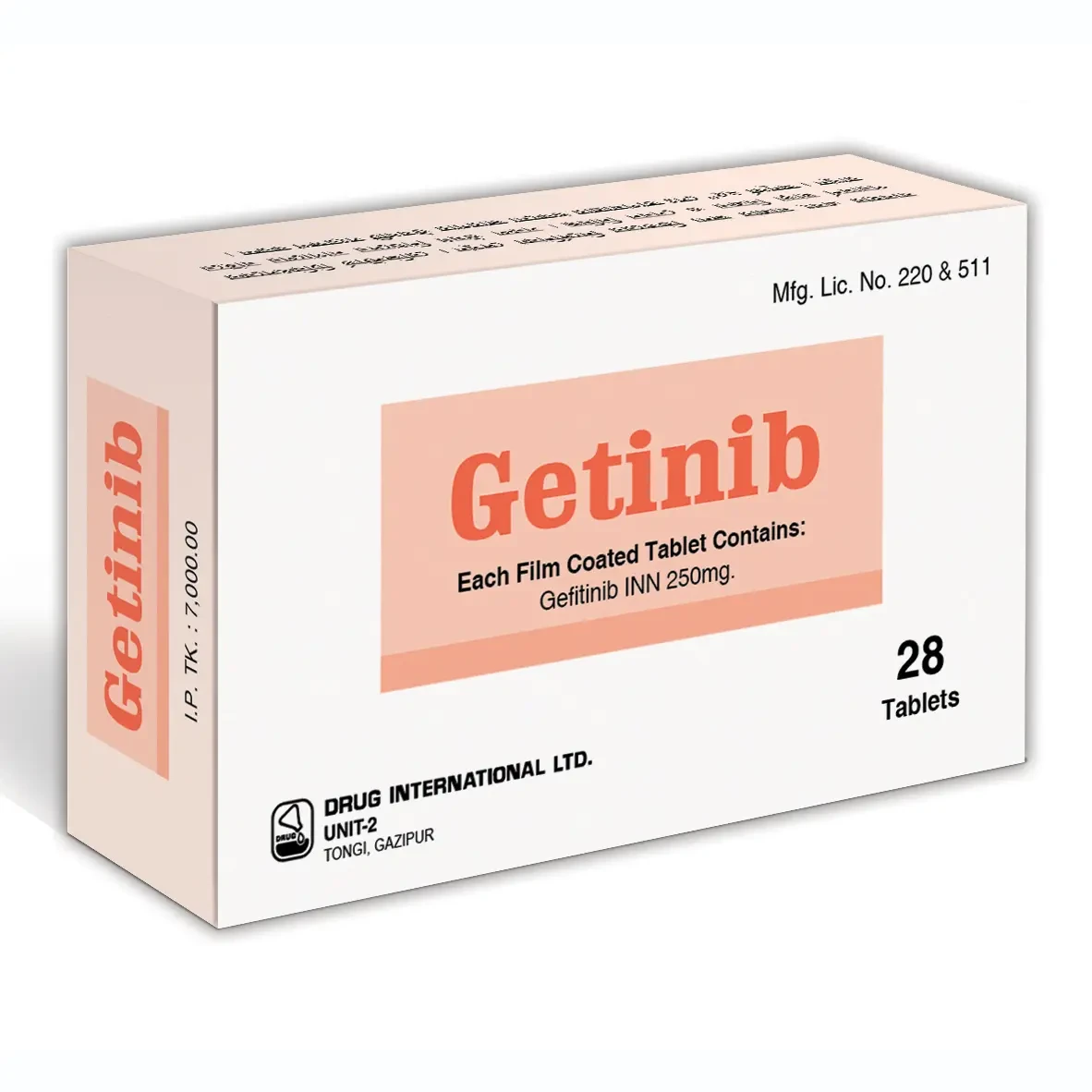
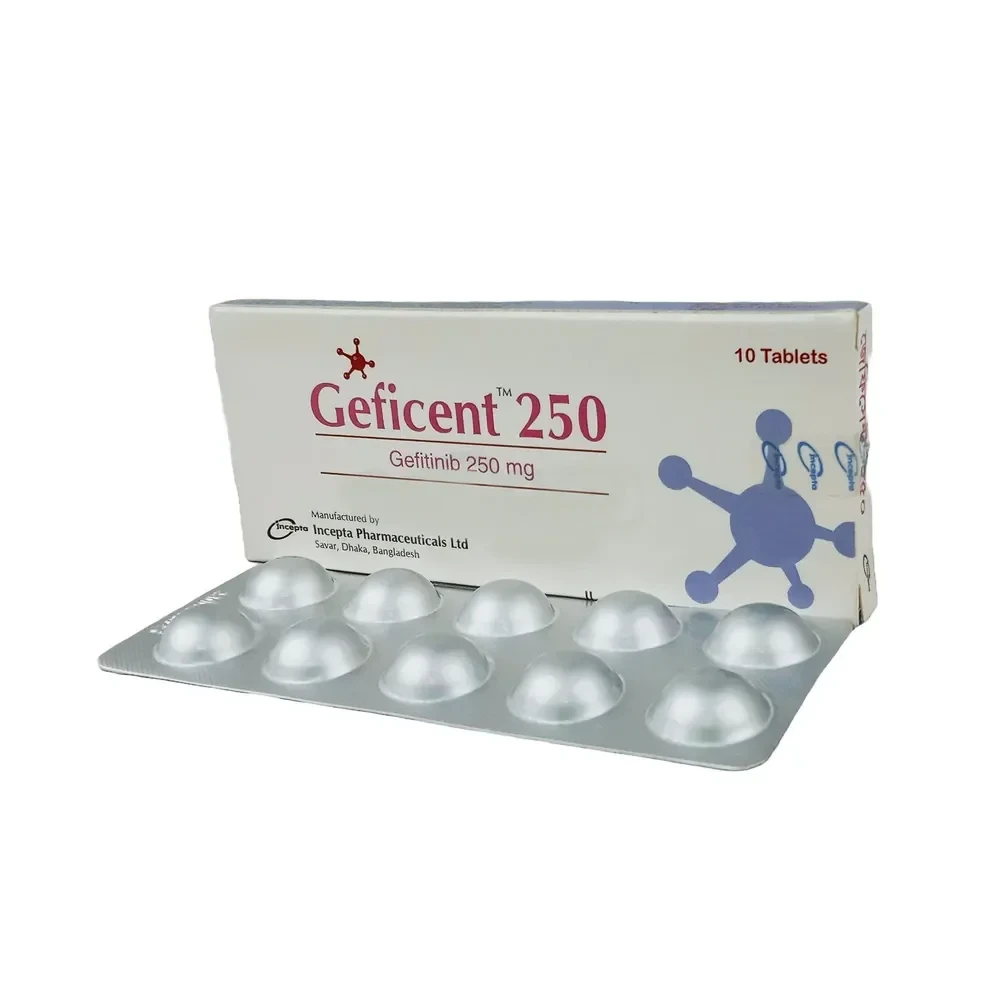
Medicine Overview of Gefinix 250mg Tablet
Gefinix 250 is used in the treatment of non-small cell lung cancer. It is used in patients in which it has spread to other parts of the body, who have abnormal epidermal growth factor receptor (EGFR) genes, and who have not had previous treatment for cancer.
Gefinix 250 can be taken with or without food, but better to have it same time every day for better results. You should continue to take it as long as your doctor advises for it. The duration of treatment varies according to your need and response to treatment. You should take it exactly as your doctor has advised. Taking it in the wrong way or taking too much can cause very serious side effects. It may take several weeks or months for you to see or feel the benefits but do not stop taking it unless your doctor tells you to.
The most common side effects of this medicine include nausea, rash, vomiting and weight loss. It may cause severe diarrhea, drink plenty of fluids or consult with your doctor if it bothers you. It makes you sensitive towards sunlight, hence wear protective clothing or use sunscreen while going out. In case you develop ulceration in mouth, changes in your vision, or breathing difficulties than it is better to inform the doctor. Your doctor may advise for regular monitoring of liver function while you are taking this medicine.
Many other medicines can affect, or be affected by, this medicine so let your healthcare team know all medications you are using. This medicine is not recommended during pregnancy or while breastfeeding. The use of effective contraception by both males and females during treatment is important to avoid pregnancy. If you have to take an antacid or any other medicine, take it at a gap of at least 2 hours after taking the cancer medicine.
- Non-small cell lung cancer
- Diarrhea
- Dry skin
- Loss of appetite
- Nausea
- Rash
- Stomatitis (Inflammation of the mouth)
- Vomiting
- Weakness
-
Gefinix 250 helps treat non-small cell lung cancer that is locally advanced, or has spread to other areas of the body.
-
Take it with or without food, preferably at the same time each day.
-
Do not take antacids (to reduce the acid level of your stomach) 2 hours before or 1 hour after taking this medicine.
-
Diarrhea may occur as a side effect. Drink plenty of fluids and inform your doctor if it doesn’t stop or if you find blood in your stools.
-
Use a reliable contraceptive method to prevent pregnancy while you are taking this medicine and for a month after you stop taking it.
-
Inform your doctor if you develop ulceration in your mouth, changes in your vision or if you experience a worsening cough, shortness of breath, or breathing difficulties while taking this medicine.
-
Your doctor may want you to have regular blood tests to monitor your liver function while you are having treatment with this medicine.
Film-coated tab: May be taken with or without food. May also be dispersed in ½ glass of plain, non-carbonated water. No other liqd should be used. Drop the tab in water & stir w/o crushing until it disperses (approx 10 min). Drink immediately. Rinse glass w/ another ½ glass of water & drink. Dispersed liqd may also be administered via NG tube.
Oral
Locally advanced or metastatic non-small cell lung carcinoma
Adult: 250 mg once daily until disease progression or unacceptable toxicity
Patients w/ concurrent idiopathic pulmonary fibrosis, acute onset or worsening pulmonary or eye symptoms. Renal and hepatic impairment. Pregnancy. Monitoring Parameters Monitor liver function, prothrombin time or INR frequently.
Lactation
Unknown if distributed in human breast milk; not recommended
>10%
Skin reactions, all grades (47%),Diarrhea, all grades (29%),Decreased appetite, all grades (17%),Vomiting, all grades (14%),Increased ALT, all grades (11.4%)
1-10%
Increased AST, all grades (7.9%),Stomatitis, all grades (7%),Conjunctivitis, blepharitis, and dry eye (6.7%),Conjunctivitis/blepharitis/dry eye (6%),Increased ALT, grades 3-4 (5.1%),Nail disorders, all grades (5%),Diarrhea, grades 3-4 (3%),Increased AST, grades 3-4 (3%),Increased bilirubin, all grades (2.7%),Decreased appetite, grades 2-3 (2.3%),Skin reactions, grades 3-4 (2%),Interstitial lung disease, all grades (1.3%),Vomiting, grades 3-4 (1.2%)
<1%
Interstitial lung disease, grades 3-4 (0.7%),Increased bilirubin, grades 3-4 (0.7%),Stomatitis, all grades (0.3%),Corneal erosion and aberrant eyelash growth (0.2%),Nail disorders, grades 3-4 (0.1%),Gastrointestinal perforation (0.1%),Ocular keratitis (0.1%),Erythema multiforme and dermatitis bullous (0.08%),Fatal hepatoxicity (0.04%)


Reviews
Clear filtersThere are no reviews yet.