


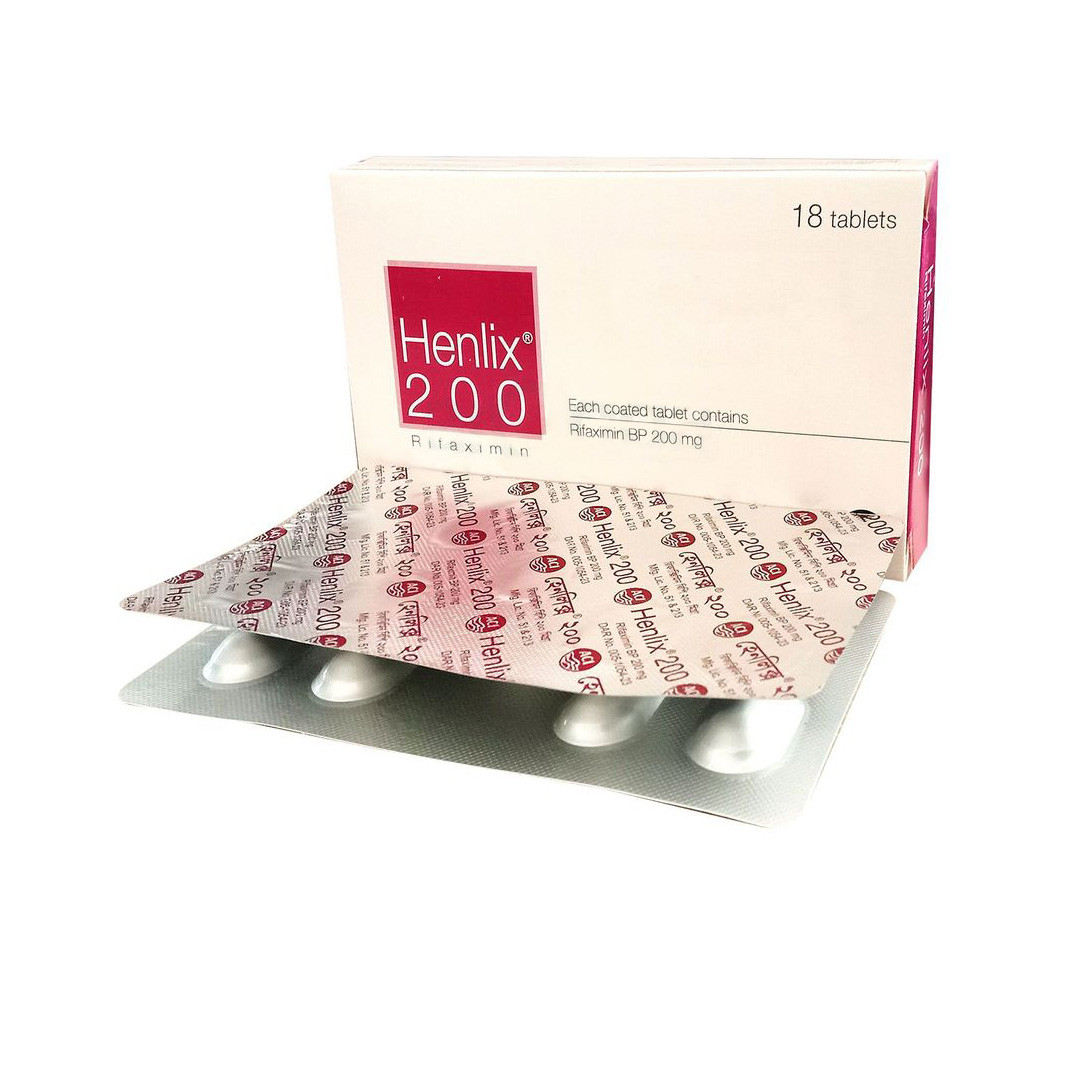

Medicine Overview of Henlix 200mg Tablet
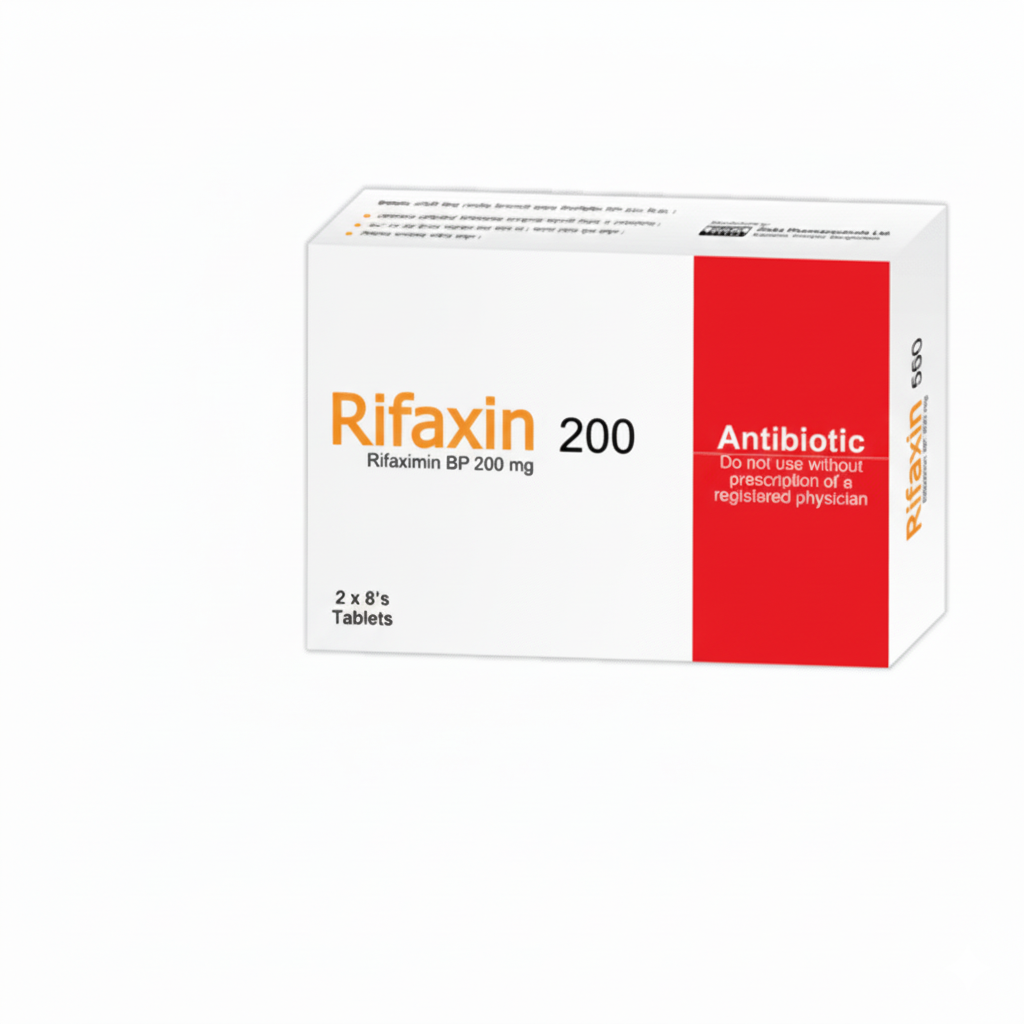
Henlix 200 is an antibiotic that treats hepatic encephalopathy, a condition in which the liver fails to remove harmful toxins from the blood, leading to brain damage. Symptoms include agitation, confusion, muscle problems, difficulty in speaking and sometimes, coma.
Henlix 200 is also used to treat infectious diarrhea and irritable bowel syndrome with diarrhea (IBS-D) in adults and children. This medicine can be used alone or in combination with other medicines. It may be taken with or without food, preferably at the same time, each day. It should be used in the dose and duration as advised by the doctor. Take it at the same time each day to get the most benefit and you should keep on taking this medicine for as long as you are prescribed. Stopping it early may make the infection to come back and harder to treat.
Some people may develop side effects like vomiting, headache, dizziness, and nausea. These side effects are usually temporary and go away during treatment as your body adjusts to the medicine. Consult your doctor if these side effects bother you or will not go away. Your urine may become reddish in color due to this medicine. But, it is normal and harmless.
Before starting treatment with this medicine, you should tell your doctor if you are pregnant, breastfeeding or suffering from any liver, kidney or heart problems or if you are allergic to any medicine.
Show less
- Hepatic encephalopathy
- Vomiting
- Headache
- Dizziness
- Nausea
-
Henlix 200 reduces the risk of overt hepatic encephalopathy (HE) recurrence in patients with liver disease.
-
It may cause reddish discoloration of urine. This is normal and harmless.
-
Stop taking Henlix 200 and inform your doctor if you have severe diarrhea during or after using Henlix 200.
-
Finish the full course of the medication, even if you feel better.
Traveler’s Diarrhea
200 mg PO q8hr for 3 days
Hepatic Encephalopathy
Maintenance of remission
550 mg PO q12hr
Irritable Bowel Syndrome
Indicated for irritable bowel syndrome with diarrhea (IBS-D) in adult men and women
550 mg PO q8hr for 14 days; recurrence of symptoms can be retreated with a 14 day treatment course, up to 2 times
Show less
Traveler’s Diarrhea
<12 years: Safety and efficacy not established
>12 years: 200 mg PO q8hr for 3 days, with or without food
Show less
Antimicrobial action is a result of binding to the beta-subunit of bacterial DNA-dependent RNA polymerase, resulting in inhibition of transcription.
Hepatic encephalopathy: Inhibits growth of enteric ammonia-producing bacteria to indirectly reduce serum ammonia level.
Irritable bowel syndrome with diarrhea (off-label): Inhibits growth of enteric bacteria to reduce gas production.
Show less
Rifaximin is not found to be effective in patients with diarrhea complicated by fever and/or blood in the stools. Rifaximin therapy should be discontinued if diarrhea symptoms get worse or persist for more than 24-48 hours and an alternative antibiotic therapy should be considered. Pseudomembranous colitis has been reported with nearly all antibacterial agents and may range in severity from mild to life-threatening. Therefore, it is important to consider this diagnosis in patients who present with diarrhea subsequent to the administration of antibacterial agents.
Lactation: Do not use if nursing or do not nurse
Show less
>10%
Flatulence (11%)
1-10%
Headache (10%),Rectal tenesmus (7%),Abdominal pain (7%),Defecation urgency (6%),Nausea (5%),Constipation (4%),Pyrexia (3%),Vomiting (2%)
Frequency Not Defined
Hypersensitivity reactions (including allergic dermatitis),Pruritus,Rash
Show less




Reviews
Clear filtersThere are no reviews yet.