



Introduction
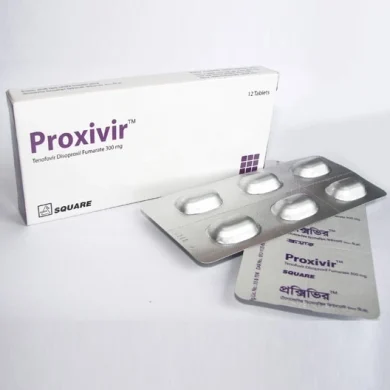
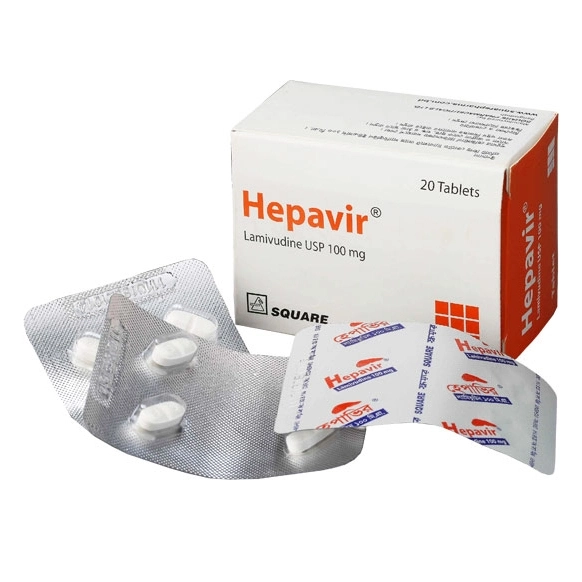
Hepavir is used in the treatment of HIV infection and chronic hepatitis B virus (HBV) infection. It prevents the multiplication of virus in human cells. This stops the virus from producing new viruses and clears up your infection. Hepavir is not a cure for HIV or AIDS and only helps to decrease the amount of HIV in your body. This helps to lower your risk of getting HIV-related complications and improves your lifespan. It is prescribed in combination with other HIV medicines. Your doctor will recommend the best medicines for you and will decide the doses that you need. Follow carefully the instructions for all the medicines that you are given. It can be taken with or without food. Taking all these medicines regularly at the right times greatly increases their effectiveness and reduces the chances of HIV becoming resistant to them. It is important not to miss doses and to keep taking them until your doctor tells you it is safe to stop. Common side effects of this medicine include headache, nausea, vomiting, stomach pain, fatigue, diarrhea, and rash. These are usually not serious but tell your doctor if they bother you or do not go away. Rarely, some people may experience a skin reaction or liver damage. Your doctor will closely monitor you for these in the initial period of treatment. Before taking it, tell your doctor if you have any skin problems or liver or kidney disease. While using it, you may need regular blood tests to check your blood counts and liver function. Avoid drinking alcohol as it may increase your risk of liver damage. Pregnant or breastfeeding mothers should consult their doctor before using this medicine. Do not have unprotected sex or share personal items like razors or toothbrushes, if you are HIV positive. Talk to your doctor about safe ways like condoms to prevent HIV transmission during sex.
_
Uses of Hepavir
HIV infection
Chronic hepatitis B virus (HBV) infection
Side effects of Hepavir
Common
Headache
Runny nose
Nausea
Fever
Diarrhea
How to use Hepavir
Take this medicine in the dose and duration as advised by your doctor. Swallow it as a whole. Do not chew, crush or break it. Hepavir may be taken with or without food, but it is better to take it at a fixed time.
How Hepavir works
Hepavir is an antiviral medication. It prevents the multiplication of virus in human cells. This stops the virus from producing new viruses and clears up your infection.
What if you forget to take Hepavir?
If you miss a dose of Hepavir, take it as soon as possible. However, if it is almost time for your next dose, skip the missed dose and go back to your regular schedule. Do not double the dose.
Quick Tips
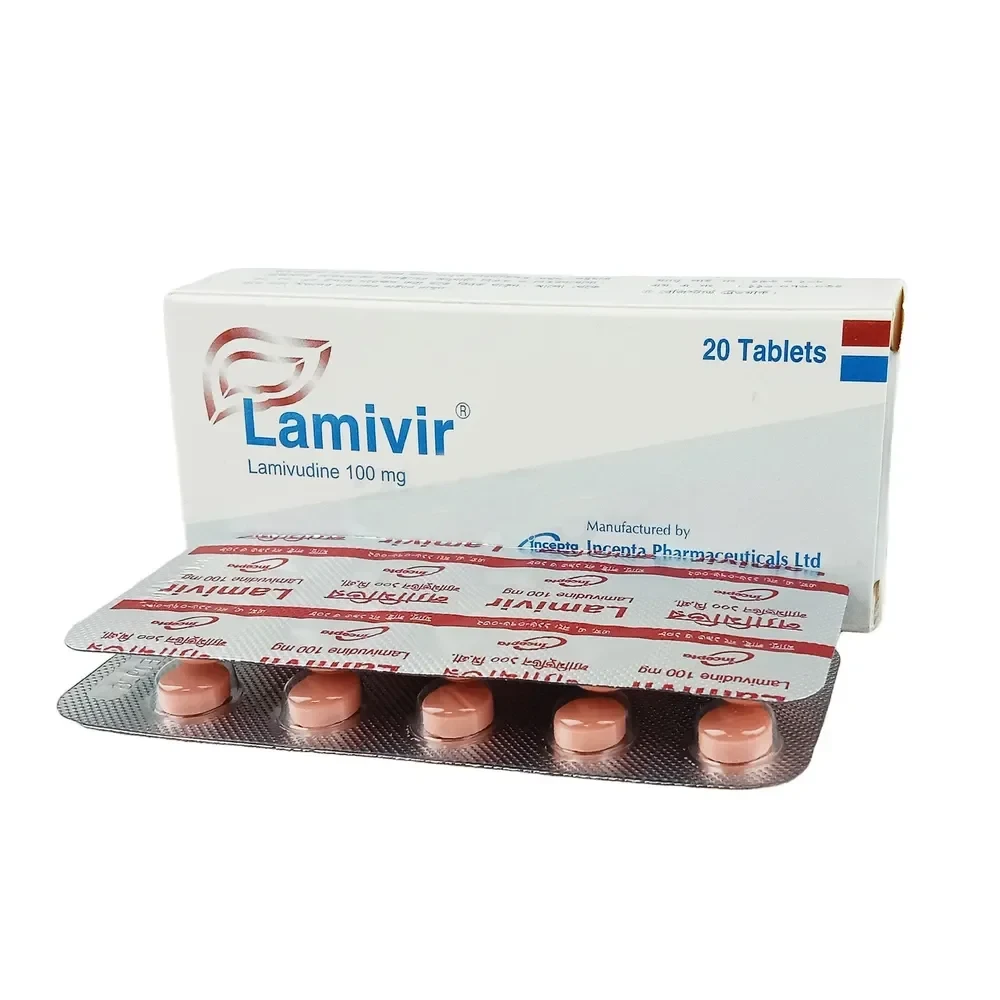
You have been prescribed Lamivir HBV Tablet for the treatment of chronic hepatitis B virus (HBV) infection.
In combination with other medicines, it is used for the treatment of HIV infections.
Take it with food, as this increases the absorption of the medicine into the body.
Lamivir HBV Tablet may cause dizziness or sleepiness. Do not drive or do anything requiring concentration until you know how it affects you.
You may still develop infections or other illnesses associated with viral infection while taking this medication.
You can also pass on HIV or HBV to others. Don’t share needles or personal items that can have blood or body fluids on them.
During treatment and for at least six months after stopping this medicine, regular blood tests are needed to monitor your liver function, level of hepatitis B virus and blood cells in your blood.
Brief Description
Indication
HIV infection, Chronic hepatitis B
Administration
May be taken with or without food.
Adult Dose
Oral HIV infection Adult: 150 mg bid or 300 mg once daily, in combination with other antiretrovirals. Chronic hepatitis B Adult: 100 mg once daily. For patients with concomitant HIV infection: 300 mg once daily or in 2 divided doses.
_
Child Dose
Oral HIV infection Child: 3 mth-12 yr: 4 mg/kg bid. Max: 300 mg/day. Chronic hepatitis B Child: >2 yr: 3 mg/kg once daily. Max: 100 mg/day.
_
Renal Dose
Oral HIV infection Renal impairment: Dialysis patients: Not recommended. CrCl (ml/min) 30-49 1st dose 150 mg, then 150 mg once daily. 15-29 1st dose 150 mg, then 100 mg once daily. 5-14 1st dose 150 mg, then 50 mg once daily. <5 1st dose 50 mg, then 25 mg once daily. Chronic hepatitis B Renal impairment: Haemodialysis patients: Dose adjustment in accordance with CrCl. Peritoneal dialysis patients: Not recommended. CrCl (ml/min) 30-49 1st dose 100 mg, then 50 mg once daily. 15-29 1st dose 100 mg, then 25 mg once daily. 5-14 1st dose 35 mg, then 15 mg once daily. <5 1st dose 35 mg, then 10 mg once daily.
_
Contraindication
Hypersensitivity. Lactation.
Mode of Action
Lamivudine, a nucleoside analogue, is phosphorylated in the body to the active triphosphate form. In the active form, it inhibits hepatitis B virus polymerase and HIV reverse transcriptase enzymes.
Precaution
Discontinue use if there is rapid increase in aminotransferase levels, progressive hepatomegaly, or metabolic or lactic acidosis of unknown origin. Discontinue use if clinical signs, symptoms or lab abnormalities suggestive of pancreatitis develop. Hepatomegaly or other risk factors for hepatic impairment. Monitor hepatic function in chronic hepatitis B patients. Exclude HIV infection prior to hepatitis B therapy. Renal impairment. Pregnancy.
Side Effect
>10% Cough,Diarrhea,Fatigue & malaise,Fever (peds),Headache,Musculoskeletal pain,Nausea,Nervous system neuropathy,Pancreatitis,Peripheral neuropathy,Nasal S/S,Vomiting 1-10% Abdominal cramps, abdominal pain,Anorexia &/or decr appetite,Arthralgia,Chills,Depression,Dizziness,Dyspepsia,Insomnia,Myalgia,Rash,Thrombocytopenia,Creatine phosphokinase increased Frequency Not Defined Body fat redistribution,Elevated amylase,Neutropenia,Hepatitis B exacerbation Potentially Fatal: Lactic acidosis associated with severe hepatomegaly and hepatic steatosis.
_
Interaction
Renal excretion may be inhibited by high doses of trimethoprim (co-trimoxazole). May antagonise the antiviral action of zalcitabine.






Reviews
Clear filtersThere are no reviews yet.