


Introduction
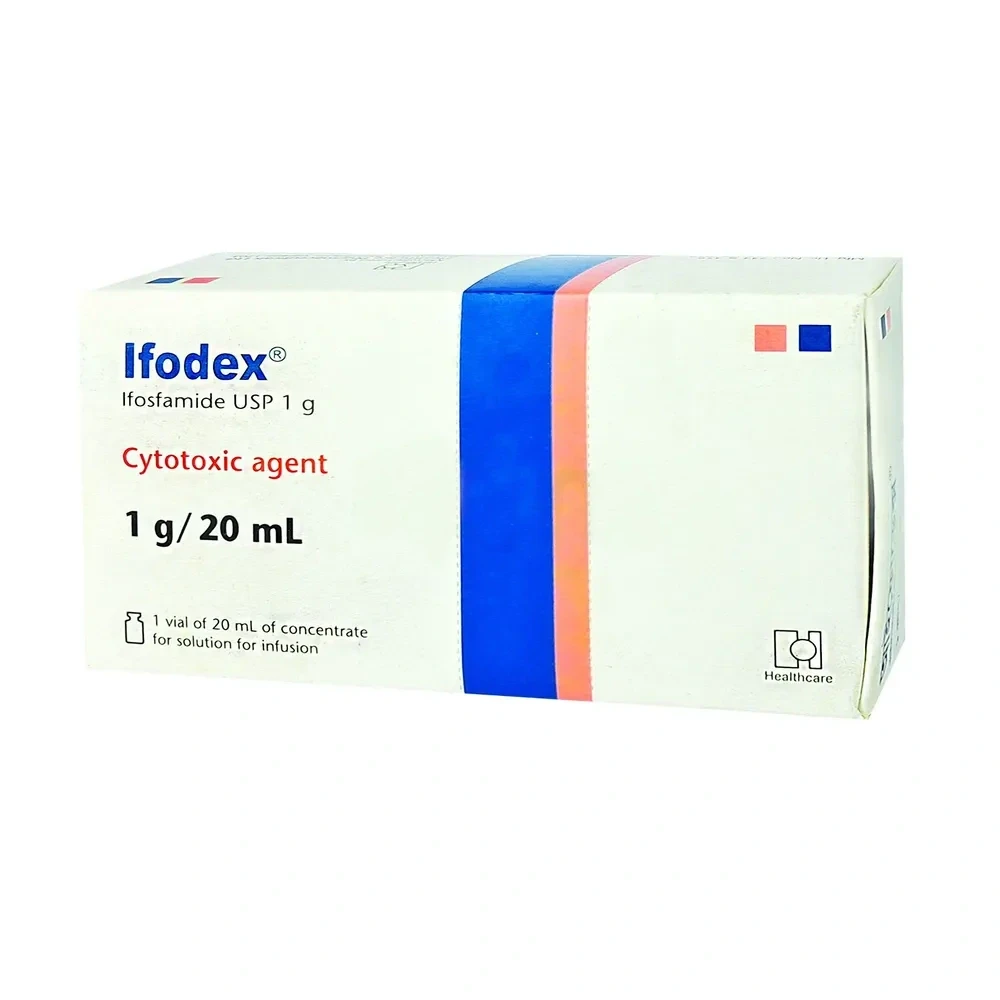
Ifodex is used in the treatment of different kinds of cancers. It is given alone or in combination with other chemotherapy medicines, radiotherapy and surgery to treat cancer of blood, breast, lung, ovaries, pancreas, testes, and lymph nodes. Ifodex is usually given as a slow infusion (drip) into a vein (intravenously) over several hours. Your doctor will decide what dose is necessary and how often you need to take it. This will depend on what you are being treated for and may change from time to time. You should take it exactly as your doctor has advised. Taking it in the wrong way or taking too much can cause very serious side effects. It may take several weeks or months for you to see or feel the benefits but do not stop taking it unless your doctor tells you to. It is advised that you drink extra fluids so that you pass more urine. This will help prevent bladder and kidney problems and keep your kidneys working well. The most common side effects of this medicine include nausea, vomiting, anemia (low number of red blood cells), hair loss, decreased white blood cells count. If these bother you or appear serious, let your doctor know. There may be ways of reducing or preventing them. It is very strong medicine and some people may develop serious side effects while taking it. This medicine may lower your ability to fight infections and lead to problems with your blood, liver or kidneys. Before taking it, tell your doctor if you have liver, or kidney problems or are taking any medicines to treat infections. Many other medicines can affect, or be affected by, this medicine so let your doctor know all medications you are using. This medicine is not recommended during pregnancy or while breastfeeding. It may harm your baby. You and your partner should avoid becoming pregnant or fathering a child for several months after your treatment with it has stopped.
_
Uses of Ifodex
Pancreatic cancer
Ovarian cancer
Breast cancer
Non-small cell lung cancer
Testicular cancer
Blood cancer
Side effects of Ifodex
Common
Nausea
Vomiting
Anemia (low number of red blood cells)
Hair loss
Decreased white blood cell count
Infection
Blood in urine
CNS toxicity
How to use Ifodex
Your doctor or nurse will give you this medicine. Kindly do not self administer.
How Ifodex works
Ifodex is an anti-cancer medication. It works by damaging the genetic material (DNA and RNA) of the cancer cells. This stops their growth and multiplication.
What if you forget to take Ifodex ?
If you miss a dose of Ifodex , take it as soon as possible. However, if it is almost time for your next dose, skip the missed dose and go back to your regular schedule. Do not double the dose.
Quick Tips
Ifodex is used in combination with other chemotherapy medicines, radiotherapy and surgery to treat cancer of blood, breast, lung, ovaries, pancreas, testes, and lymph nodes.
It is usually given as a slow infusion (drip) into a vein (intravenously) over several hours.
Drink plenty of fluids while taking this medication to minimise damage to your bladder and kidneys.
It may cause dizziness and sleepiness. Don’t drive or do anything that requires mental focus until you know how it affects you.
Use effective measures to avoid pregnancy during treatment with this medicine and for at least 6 months after your last dose as it can be harmful to an unborn baby.
Your doctor may have your blood tested regularly to monitor your kidney, liver function and levels of blood cells in your blood.
Brief Description
Indication
Breast cancer, Lung cancer, Ovarian cancer, Lymphoma, Testicular cancer, Soft tissue sarcoma, Osteogenic sarcoma, Cervical cancer
Administration
IV Administration Slow IV infusion over 30 min, or continuous infusion over 5 d Mesna should be administered concomitantly (20% of the ifosfamide dose 15 min before, 4 hr after, & 8 hr after ifosfamide administration) Adequate hydration (at least 2 L/day) before & for 72 hr after therapy is recommended to minimize risk of hemorrhagic cystitis Reconstitution: Add 20 ml of sterile water for inj or sterile bacteriostatic water for inj containing benzyl alcohol or parabens for each 1 g of the drug to produce solutions of 50 mg/ml.
_
Adult Dose
Intravenous Germ cell testicular carcinoma Adult: 1.2 g/m2/day for 5 days via slow infusion over at least 30 minutes, repeat treatment every 3 wk or after recovery from haematological toxicity. To be given with mesna and adequate hydration of at least 2 L of oral or IV fluid per day. Lymphoma; Sarcoma; Solid tumours Adult: Different licensed dosage regimens are available. Regimen 1: 8-12 g/m2 divided over 3-5 days, repeat course every 2-4 wk. Regimen 2: 6 g/m2 divided over 5 days, repeat course every 3 wk. Regimen 3: 5-6 g/m2 (max: 10 g), give as a single 24-hr infusion, repeat course every 3-4 wkly.
_
Child Dose
Safety and efficacy not established
Renal Dose
Renal impairment: CrCl (ml/min) <10 Administer 75% of dose.
_
Contraindication
Hypersensitivity; severe bone-marrow depression. Pregnancy, lactation.
Mode of Action
Ifosfamide is converted to its active metabolites via hepatic microsomal enzymes. These active metabolites act as alkylating agents, disrupting DNA and protein synthesis of the target cells. It is routinely given with mesna to reduce urothelial toxicity.
Precaution
Hepatic or renal dysfunction, compromised bone marrow reserve. Use with mesna and ensure high oral/IV fluid intake to reduce urotoxic effects. Lactation: excreted in breast milk, do not nurse
_
Side Effect
>10% Alopecia (83%),Nausea (58%),Vomiting (58%),Leukopenia (50%),Hematuria (46%),Metabolic acidosis (31%),Thrombocytopenia (20%),CNS toxicity (12%),Neurotoxicity (10-20%) 1-10% Infection (8%),Nephrotoxicity (6%) Potentially Fatal: Severe myelosuppression, haemorrhagic cystitis, nephrotoxicity, cardiotoxicity, coma.
_
Interaction
Causes enhanced toxicity with allopurinol, cisplatin. Ifosfamide enhances the anticoagulant effect of warfarin. CYP2A6 inducers (e.g. amobarbital, pentobarbital, phenobarbital, rifampin and secobarbital) may reduce serum levels of ifosfamide while the inhibitors (e.g. isoniazid, methoxsalen and miconazole) may increase its serum levels. CYP3A4 inducers (e.g. aminoglutethimide, carbamazepine, nafcillin, nevirapine, phenobarbital, phenytoin, and rifamycins) may reduce serum levels of ifosfamide while the inhibitors (e.g. azole antifungals, clarithromycin, diclofenac, doxycycline, erythromycin, imatinib, isoniazid) may increase its serum levels.



Reviews
Clear filtersThere are no reviews yet.