



Introduction
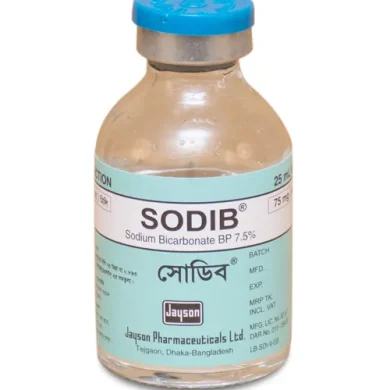
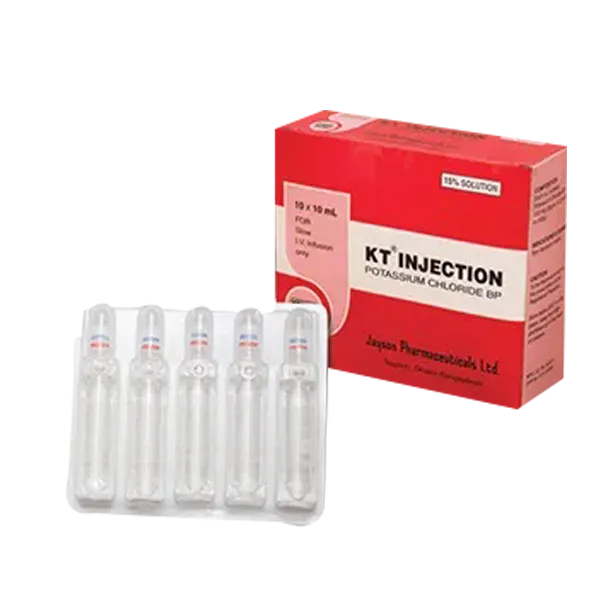
K T is a potassium salt that is used to treat potassium deficiency in the body. This supplement can relieve muscle weakness, irregular heartbeat, nausea, and vomiting. It is an essential nutrient of the body which helps in the maintenance of good health. K T is administered as an injection by a healthcare professional. Kindly do not self administer. This medicine is usually well-tolerated, however, it may cause mild injection site reactions like pain, swelling, or redness, nausea, muscle weakness, and tingling sensation. Consult your doctor if any of the side effects persist. Breastfeeding and pregnant women should consult the doctor before receiving the treatment. Also, tell your doctor if you are on any medication for any health conditions.
Show less
Uses of K T
Potassium deficiency
Side effects of K T
Common
Injection site reactions (pain, swelling, redness)
Muscle weakness
Paresthesia (tingling or pricking sensation)
How to use K T
Your doctor or nurse will give you this medicine. Kindly do not self administer.
How K T works
K T works by raising potassium levels in your blood.
Quick Tips
The concentration of intravenous infusion solution should not exceed 3.2 g (43 mmol)/l.
Do not take potassium chloride if you have kidney, heart problems, high blood pressure or high blood potassium level.
Avoid using potassium chloride, if you have Addison disease (adrenal gland disorder); severe tissue injury such as burn; severe dehydration, blockage of stomach or intestine or diarrhea from long time.
Brief Description
Indication
Hypokalemia, Electrolyte replenisher
Administration
Should be taken with food.
Adult Dose
Oral Prophylaxis of hypokalaemia and mild K deficiency; Hypokalaemia Adult: Prevention of hypokalaemia: 20 mEq daily. Treatment of hypokalaemia 40-100 mEq/day bid-qid. Give in divided doses if >20 mEq/day. Intravenous Severe acute hypokalaemia Adult: If serum potassium level >2.5 mEq/L, give at a rate not exceeding 10 mEq/hr in a concentration of up to 40 mEq/L. Max dose: 200 mEq/24 hr. If serum potassium level <2 mEq/L, may infuse at a rate of up to 40 mEq/hr. Continuous cardiac monitoring is essential. Max dose: 400 mEq/24 hr. Max Dosage: 2-3 mmol potassium/kg body wt in 24 hrs.
Show less
Child Dose
Hypokalemia 0.5-2 mEq/kg PO q12hr Monitor closely: 0.5 mEq/kg/hr IV for 1-2 hr
Show less
Contraindication
Hyperchloraemia, severe renal or adrenal insufficiency.
Mode of Action
Potassium chloride is a major cation of the intracellular fluid. It plays an active role in the conduction of nerve impulses in the heart, brain and skeletal muscle; contraction of cardiac skeletal and smooth muscles; maintenance of normal renal function, acid-base balance, carbohydrate metabolism and gastric secretion.
Precaution
Renal or adrenocortical insufficiency; cardiac disease; acute dehydration; extensive tissue destruction. Pregnancy. Ensure adequate urine output; monitor plasma-potassium and other electrolyte concentrations. Discontinue treatment if severe nausea, vomiting or abdominal distress develops. Accumulation of potassium may occur in renal impairment.
Side Effect
GI ulceration (sometimes with haemorrhage and perforation or with late formation of strictures) following the use of enteric-coated K chloride preparation; hyperkalaemia. Oral: Nausea, vomiting, diarrhoea and abdominal cramps. IV: Pain or phloebitis; cardiac toxicity.
Show less
Interaction
Potassium-sparing diuretics, ACE inhibitors, ciclosporin and potassium-containing drugs. Antimuscarinics delay gastric emptying time consequently increasing risk of GI adverse effects esp of solid oral dosage forms.




Reviews
Clear filtersThere are no reviews yet.