


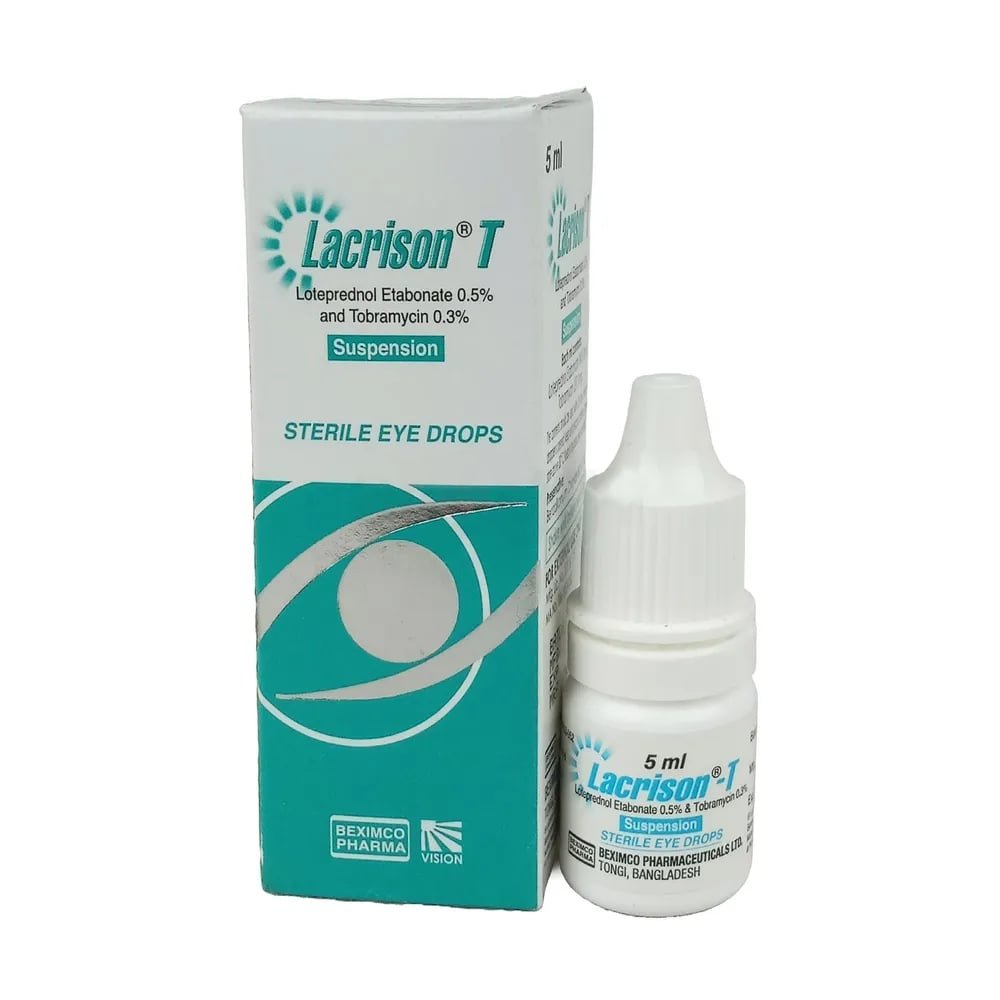

Medicine Overview of Lacrison T 0.5%+0.3% Eye Drop
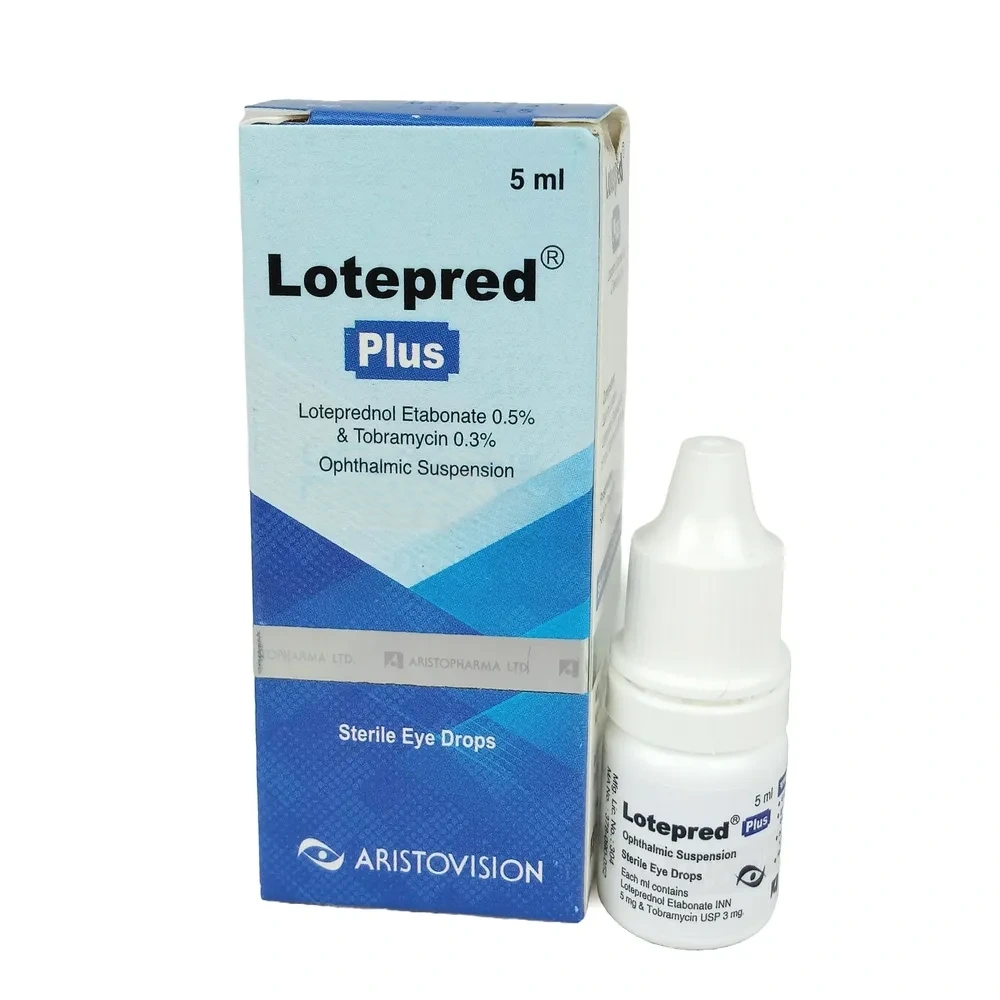
Lacrison T is a prescription medicine having a combination of medicines that is used to treat eye infections with inflammation. It stops the growth of bacteria and helps in relieving redness, itching and swelling.
Lacrison T is to be used only in the affected eye in the dose and duration as advised by the doctor. Wash your hands before using this medicine. It is advised to check the label for directions before use. Do not skip any doses and finish the full course of treatment even if you feel better. Stopping the medicine too early may lead to the infection returning or worsening.
The most common side effects include discomfort and irritation at the application site. If these side effects persist for a longer duration, inform your doctor. In case by accident, this medicine goes into your ears, nose or mouth, immediately rinse it with water. Inform your doctor if you are pregnant or breastfeeding or are allergic to this medicine or taking any other medication. It is advised not to drive or operate heavy machinery after use of this medicine as it may cause blurring of vision and may affect your ability to drive.
- Eye infection with inflammation
- Eye irritation
- Eye discomfort
-
Lacrison T is used for the treatment of bacterial skin infections.
-
It should be applied to the affected areas as a thin film, two or three times daily, or as advised by your doctor.
-
Do not use it more often or for longer than advised by your doctor.
-
Do not apply it to broken skin and avoid getting it in your eyes, nose or mouth.
-
Do not cover the area being treated with airtight dressings such as bandages unless directed by a doctor, as this may increase the risk of side effects.
-
It may cause temporary burning, itching or a redness at application site. This is usually mild. Consult your doctor if you experience a more severe reaction.
-
Inform your doctor if your skin problem hasn’t improved after seven days of treatment.
Ocular Inflammation
Indicated for steroid-responsive ocular inflammations with risk of superficial bacterial infections
Adult: Instill 1 or 2 drops of into the conjunctival sac of the affected eye(s) every 4 to 6 hours.; may use as frequently as q1-2hr during first 24-48 hr
Decrease frequency of administration as signs and symptoms improve
Safety & efficacy not been established.
Hypersensitivity to any component of the formulation or to other corticosteroids
Viral, mycobacterial & fungal eye infections
Loteprednol is a synthetic nonfluorinated glucocorticoid. It stimulates the production of lipicortins, proteins that modulate the activity of prostaglandins and leukotrienes.
Tobramycin acts by binding to 30S ribosomal subunits thus interfering with bacterial protein synthesis. It is active against many aerobic gram-negative bacteria and some aerobic gram-positive bacteria but inactive against Chlamydia, fungi, viruses, and most anaerobic bacteria.
History of herpes simplex infections
May exacerbate infections by nonsusceptible organisms
Monitor IOP if used >10 d
Bacterial keratitis reported from inadvertent contamination of multiple dose ophthalmic solution
Immunosuppression resulting from prolonged use of steroid use may result in secondary bacterial and fungal infections; steroids may also mask symptoms of infections and enhance existing ocular infections
Ocular hypertension and/or glaucoma reported with prolonged corticosteroid use
Discontinue use if sensitivity reaction to tobramycin develops
Corticosteroid use following cataract surgery may delay healing
Lactation: Excretion in milk unknown; use caution
Prolonged use may increase: IOP, which may be associated with possible development of glaucoma and infrequent optic nerve damage; posterior sub-capsular cataract formation and perforation of the globe where there is thinning of the cornea or sclera.
The most frequent adverse reactions to topical tobramycin are hypersensitivity and localized ocular toxicity, including lid itching and swelling and conjunctival erythema.


Reviews
Clear filtersThere are no reviews yet.