


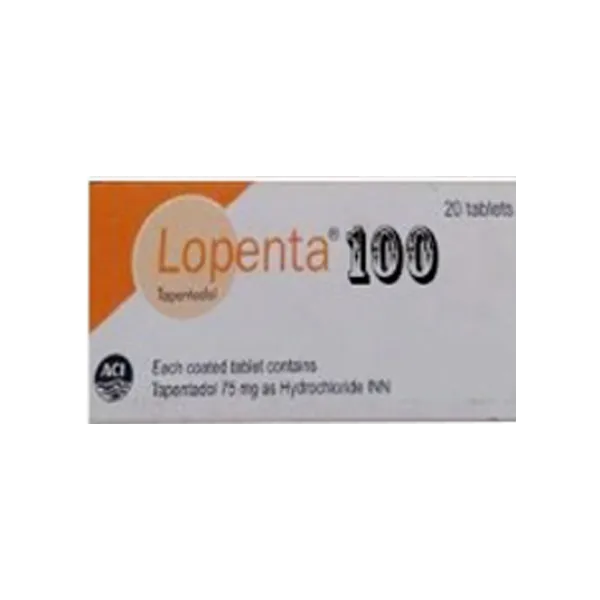

Medicine Overview of Lopenta 100mg Tablet
Lopenta 100 is a medicine used to treat moderate to severe acute pain in adults. It is used to treat many conditions such as headache, fever, period pain, toothache, and colds. It effectively alleviates pain when other treatments fail to relieve your pain.
Lopenta 100 may be prescribed alone or in combination with another medicine. You should take it regularly as advised by your doctor. It can be taken with or without food. Your doctor may change the dose and time between doses according to your pain level and your needs. Do not take more or use it for longer than recommended by your doctor.
Some common side effects of this medicine includes nausea, sleepiness, vomiting, dizziness, headache, and constipation. If any of these side effects bother you or do not go away, you should let your doctor know. Your doctor may help with ways to reduce or prevent these symptoms by prescribing you an alternative medicine or by adjusting the dose.
The medicine may not be suitable for everybody. Before taking it, let your doctor know if you have any problems with your heart, kidneys, and liver. You should avoid consumption of alcohol while on this medication. Let your doctor know about all the other medicines you are taking because they may affect, or be affected by this medicine. Pregnant and breastfeeding mothers should consult their doctors before using this medicine as it can cause harmful effects to the developing baby.
Show less
- Moderate to severe pain
- Nausea
- Sleepiness
- Vomiting
- Dizziness
-
Lopenta 100 is a strong painkiller which is used in the treatment of moderate to severe pain when other treatments do not treat your pain well enough or you cannot tolerate them.
-
The addiction / habit-forming potential of Lopenta 100 is very high. Take exactly as prescribed by your doctor.
-
Use caution while driving or doing anything that requires concentration as Lopenta 100 can cause dizziness and sleepiness.
-
While taking this medication, avoid alcohol in all forms including beer, wine, aftershave lotions, mouthwash, vinegar, certain desserts, colognes, and liquid medications.
-
Inform your doctor if you have asthma, liver, kidney or pancreatic disease, or are severely constipated.
Oral
Moderate to severe acute pain
Adult: Initially, 50 mg, 75 mg or 100 mg 4-6 hrly, depending on pain intensity.
On day 1, a 2nd dose may be given 1 hr after the initial dose if pain relief is inadequate; subsequent dose may be given 4-6 hrly, adjust according to response.
Max: 700 mg on day 1, 600 mg daily on subsequent days.
Elderly: Initiate dosage at lower end of range
Hepatic impairment
Mild: Dosage adjustment not required
Moderate: 50 mg q8hr initially; dosing frequency not to exceed 3 times daily;
Severe: Not recommended
Show less
Safety and efficacy not established
Show less
Renal impairment
CrCl >30 mL/min : Dosage adjustment not required
CrCl <30 mL/min: Not recommended
Show less
Tapentadol should be administered with caution to patients with conditions accompanied by hypoxia, hypercapnia, respiratory problems such as: asthma, chronic obstructive pulmonary disease etc. Besides this, in case of patient with sleep apnea syndrome, myxedema, kyphoscoliosis, central nervous system (CNS) depression should have to be cautious prior administration of Tapentadol. Patients receiving other µ-opioid agonist analgesics, general anesthetics, phenothiazines, other tranquilizers, sedatives, hypnotics, or other CNS depressants (including alcohol) concomitantly with Tapentadol may exhibit additive CNS depression.
Show less
>10%
Nausea (30%),Dizziness (24%),Vomiting (18%),Somnolence (15%)
1-10% (selected)
Constipation (8%),Pruritus (5%),Xerostomia (4%),Fatigue (3%),Hyperhidrosis (3%),Anorexia (2%),Dyspepsia (2%),Insomnia (2%)
Show less
Potential severe adverse effects w/ MAOIs. CNS-active drugs; other serotonergic agents (including triptans, SSRIs, other SNRIs, lithium, sibutramine, fentanyl & its analogues, tramadol, dextromethorphan, tapentadol, meperidine, methadone, pentazocine or St. John’s wort), drugs which impair serotonin (eg linezolid & methylene blue) or serotonin precursors (eg tryptophan supplements). Increased risk of QTc prolongation &/or ventricular arrhythmias w/ some antipsychotics & antibiotics.
Decreased AUC & Cmax of indinavir. Increased AUC & Cmax of haloperidol. Increased plasma conc w/ ketoconazole. Increased plasma conc & reduced BP-lowering effect of metoprolol. Increased AUC of risperidone. Reduced metabolism w/ CYP2D6 inhibitors. Increased venlafaxine levels w/ CYP3A4 inhibitors.
Show less



Reviews
Clear filtersThere are no reviews yet.