




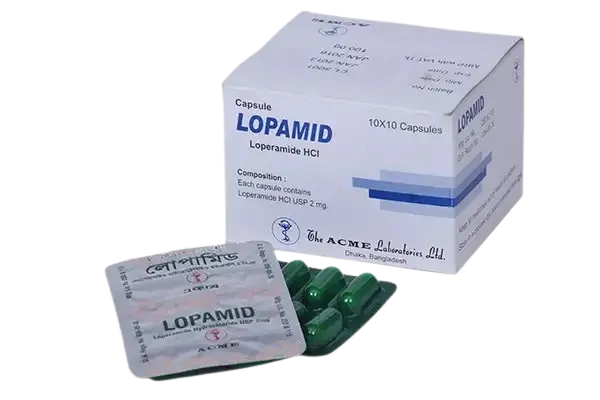
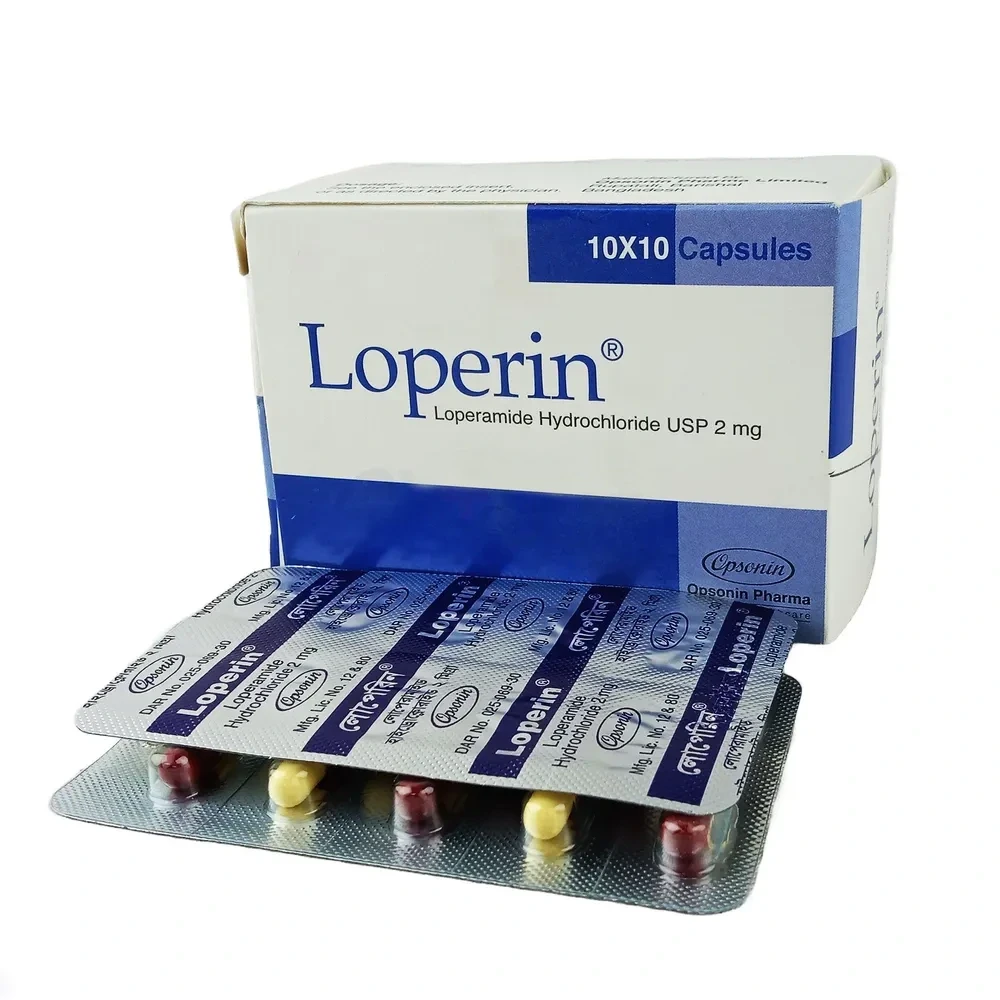
Medicine Overview of Loramide 2mg Capsule
Loramide is used in the treatment of diarrhea. It should not be used in patients with dysentery (diarrhea with blood).
Loramide is taken with or without food in a dose and duration as advised by the doctor. You should keep taking this medicine for as long as your doctor recommends. If you stop treatment too early your symptoms may come back and your condition may worsen. Let your doctor know about all other medications you are taking as some may affect, or be affected by this medicine.
The most common side effects are headache, nausea, and constipation. Most of these are temporary and usually resolve with time. Contact your doctor straight away if you are at all concerned about any of these side effects. It may also cause dizziness, so do not drive or do anything that requires mental focus until you know how this medicine affects you. Avoid drinking alcohol while taking this medicine as it can worsen your sleepiness.
Diarrhea can cause water loss and electrolyte imbalance, so drink plenty of fluids to help keep yourself hydrated. It is important to avoid this medicine if you have blood in your stool or if you are severely constipated.
- Diarrhea
- Constipation
- Nausea
- Headache
- Stomach pain
-
You have been prescribed Loramide for the treatment of diarrhea.
-
Diarrhea can cause water loss and electrolyte imbalance. Drink plenty of fluids to help keep you hydrated.
-
Consult your doctor if your diarrhea lasts for more than 48 hours.
-
Do not use Loramide if you have blood in your stool or if you are severely constipated.
-
Use caution while driving or doing anything that requires concentration as Loramide can cause dizziness and sleepiness.
-
Stop taking the medication as soon as your symptoms are relieved.
Acute Diarrhea
4 mg initially, then 2 mg after each loose stool; not to exceed 16 mg/day (8 mg/day for self-medication); discontinue if no improvement seen within 48 hours
Chronic Diarrhea
4 mg initially, then 2 mg after each loose stool until controlled, and then 4-8 mg/day in divided doses
Traveler’s Diarrhea
4 mg after first loose stool, then 2 mg after each subsequent stool; not to exceed 8 mg/day
Acute Diarrhea
First Day of Treatment
2-6 years (13-20 kg): 1 mg q8hr PO
6-8 years: (20-30 kg): 2 mg q12hr PO
8-12 years (>30 kg): 2 mg q8hr PO
Second & Subsequent Doses
0.1 mg/kg PO after each loose stool; not to exceed dose recommended for first 24 hours
Chronic Diarrhea
0.08-0.24 mg/kg/day PO divided q12hr
Traveler’s Diarrhea
<6 years: Safety and efficacy not established
6-8 years: 2 mg after first loose stool, then 1 mg after each subsequent stool; not to exceed 4 mg/day
8-12 years: 2 mg after first loose stool, then 1 mg after each subsequent stool; not to exceed 6 mg/day
>12 years: 4 mg after first loose stool, then 2 mg after each subsequent stool; not to exceed 8 mg/day
Concomitant specific therapy must be given in those with infectious diarrhoea; hepatic dysfunction; infants; pregnancy, lactation.
Lactation: Not known if distributed in breast milk; use caution
Abdominal pain, distention, and discomfort; paralytic ileus; constipation, dry mouth, drowsiness, dizziness, fatigue, rash.
Potentially Fatal: Toxic megacolon.



Reviews
Clear filtersThere are no reviews yet.