



Introduction
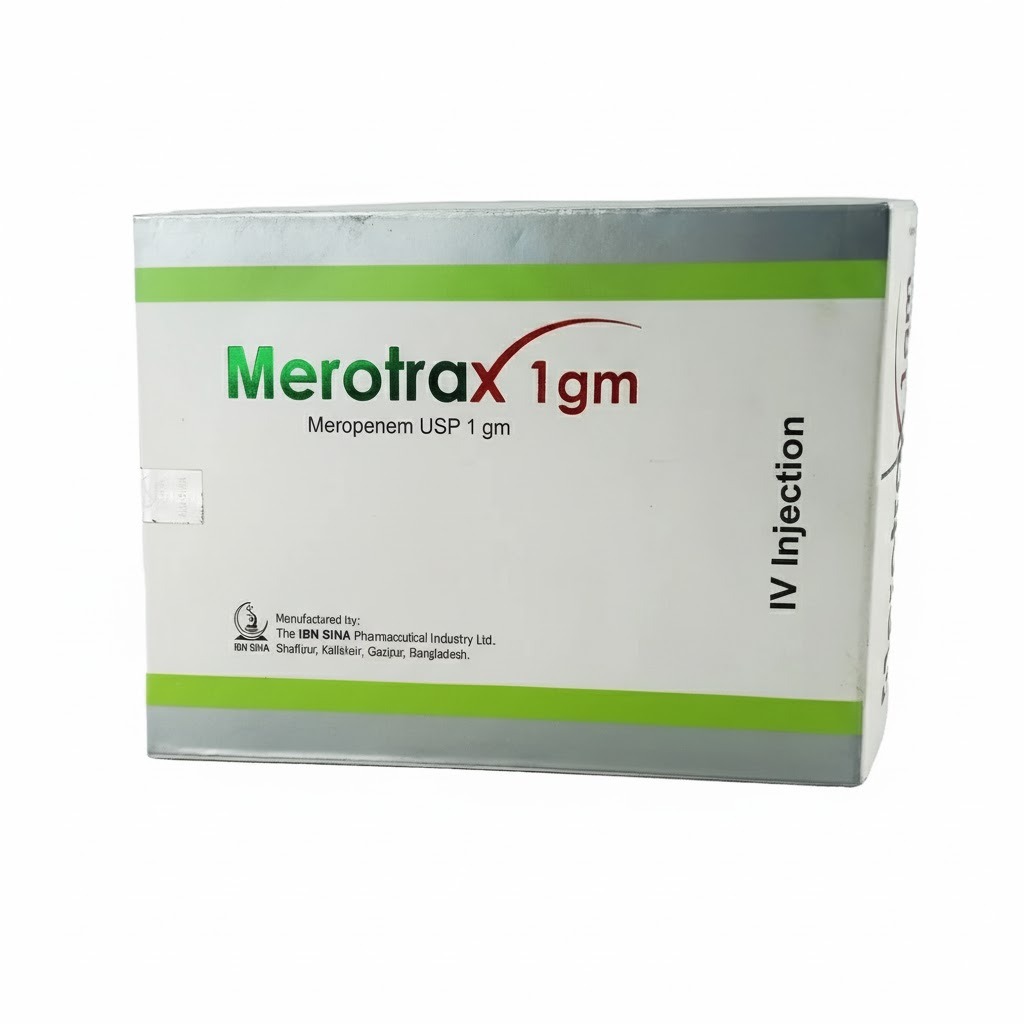
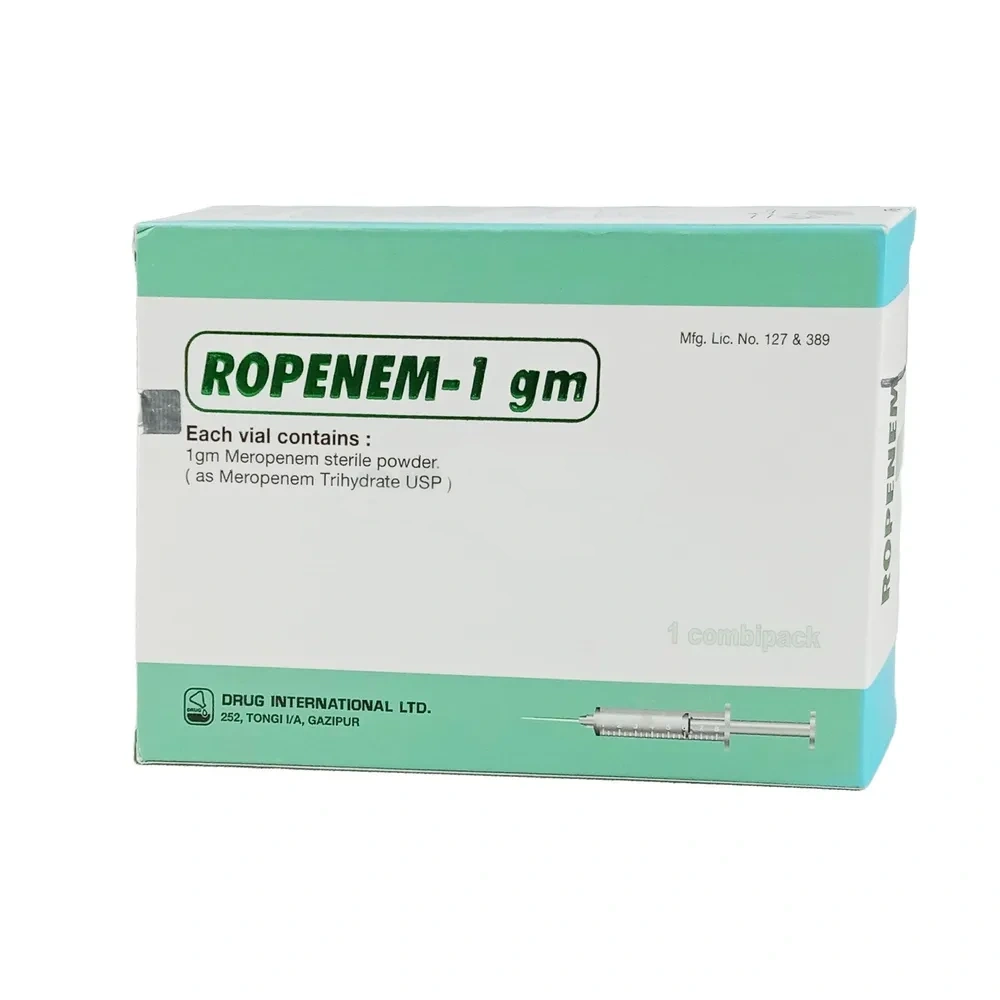
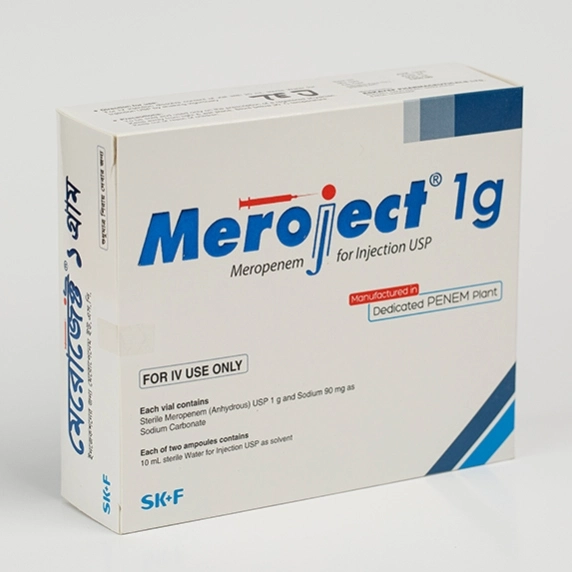
Merotrax 1gm IV is an antibiotic that fights bacteria. It is used to treat severe infections of the skin, lungs, stomach, urinary tract, blood and brain (eg. meningitis). It works by killing the bacteria that cause these problems. However, it will not treat a viral infection. Merotrax 1gm IV is commonly used to treat critically ill patients admitted to the hospital. This medicine is given by drip/infusion or by direct injection into a vein, under the supervision of a healthcare professional. The dose depends on what type of infection you have, where it is in the body and how serious it is. You should have your injections at the same time each day to get the most benefit and you should keep on taking this medicine for as long as you are prescribed it, even if your symptoms quickly improve. If you stop taking it too early the infection may return or worsen. Some people may develop side effects like nausea, vomiting, diarrhea, rash or local redness and swelling at the site of injection. These side effects are usually temporary and go away during treatment as your body adjusts to the medicine. Consult your doctor if these side effects bother you or do not go away. Before starting treatment with this medicine, you should tell your doctor if you have epilepsy (seizures), liver or kidney problems or if you are allergic to any antibiotic. While using it, you may be advised blood tests to monitor your blood cell count and kidney function. This medicine is generally regarded as safe to use in pregnancy and breastfeeding if prescribed by your doctor.
_
Uses of Merotrax 1gm IV
Severe bacterial infections
Side effects of Merotrax 1gm IV
Common
Injection site reactions (pain, swelling, redness)
Nausea
Vomiting
Headache
Rash
How to use Merotrax 1gm IV
Your doctor or nurse will give you this medicine. Kindly do not self administer.
How Merotrax 1gm IV works
Merotrax 1gm IV is an antibiotic. It kills bacteria by preventing them from forming the bacterial protective covering (cell wall) which is needed for them to survive.
What if you forget to take Merotrax 1gm IV?
If you miss a dose of Merotrax 1gm IV, please consult your doctor.
Quick Tips
Merotrax 1gm IV is an antibiotic that’s usually only given in the hospital for serious infections.
Inform your doctor if you are allergic to penicillin or if you are taking any seizure medication before starting treatment with this medication.
Diarrhea may occur as a side effect. Inform your doctor if you develop severe stomach pain or if you find blood in your stools.
Your doctor may monitor your kidney function and blood count while you are having treatment with this medication.
Brief Description
Indication
Cystic fibrosis, Intra-abdominal infections, Meningitis, Skin and skin structure infections, Diabetic foot infection
Administration
IV Administration Administer IV infusion over 15-30 minutes; administer IV bolus over 3-5 minutes
_
Adult Dose
Intravenous Intra-abdominal infections Adult: 1 g 8 hrly via IV inj over approx 3-5 min or infused over approx 15-30 min. Skin and skin structure infections Adult: 500 mg 8 hrly via IV inj over approx 3-5 min or infused over approx 15-30 min. Cystic fibrosis, Meningitis Adult: 2 g 8 hrly infused over approx 15-30 min. Susceptible infections Adult: 0.5-1 g 8 hrly via IV inj over approx 3-5 min or infused over approx 15-30 min. Hepatic impairment: No dosage adjustment needed.
_
Child Dose
Children: IV 60 mg/kg/day, max 3 g/day q8h 120 mg/kg/day meningitis, max 6 g/day q8h Intravenous Intra-abdominal infections Child: >3mth ?50 kg: 20 mg/kg 8 hrly via IV inj over approx 3-5 min or infused over approx 15-30 min. Max: 1000 mg. Skin and skin structure infections Child: >3 mth ?50 kg: 10 mg/kg 8 hrly via IV inj over approx 3-5 min or infused over approx 15-30 min. Max: 500 mg. Cystic fibrosis, Meningitis Child: >3 mth ?50 kg: 40 mg/kg 8 hrly via IV inj over approx 3-5 min or infused over approx 15-30 min. Max: 2 g. Susceptible infections Child: >3 mth ?50 kg: 10 or 20 mg/kg 8 hrly via IV inj over approx 3-5 min or infused over approx 15-30 min.
_
Renal Dose
Renal impairment: CrCl (ml/min) 26-50 Usual dose 12 hrly. 10-25 Half the usual dose 12 hrly. <10 Half the usual dose 24 hrly.
_
Contraindication
Hypersensitivity to meropenem, other carbapenems. History of anaphylactic reaction to β-lactams (e.g. penicillins, cephalosporins).
Mode of Action
Meropenem is a synthetic carbapenem beta-lactam antibiotic that exerts its bactericidal activity by inhibiting bacterial cell wall synthesis in gm+ve and gm-ve bacteria through binding to several penicillin-binding proteins (PBPs).
Precaution
Patient w/ underlying CNS disorders (e.g. brain lesions, history of seizures. Not recommended for treatment of MRSA. Renal impairment. Childn. Pregnancy and lactation. Monitoring Parameters Monitor for signs of anaphylaxis during 1st dose. Periodically assess renal, hepatic, and haematopoietic functions during prolonged therapy. Lactation: Unknown whether drug is excreted in breast milk; use with caution
_
Side Effect
1-10% Constipation (1-7%),Diarrhea (4-5%),Nausea or vomiting (1-4%),Rash (2-3%; includes diaper-area moniliasis in pediatric patients),Headache (2%),Inflammation at injection site (2%),Sepsis (2%),Oral moniliasis (≤2% in pediatric patients),Bleeding (1.2%),Apnea (1%),Constipation (1%),Glossitis (1%),Injection-site reaction (1%),Phlebitis or thrombophlebitis (1%),Pruritus (1%),Septic shock (1%) <1% Agranulocytosis,Angioedema,Erythema multiforme,Hypersensitivity reaction,Hypokalemia,Leukopenia,Neutropenia,Pleural effusion,Stevens-Johnson syndrome,Toxic epidermal necrolysis disorders or renal impairment. Potentially Fatal: Anaphylaxis; pseudomembranous colitis; Stevens-Johnsons sydrome.
_
Interaction
Increased plasma concentration w/ probenecid. May decrease plasma levels of valproic acid thus, increasing the risk of seizures.





Reviews
Clear filtersThere are no reviews yet.