

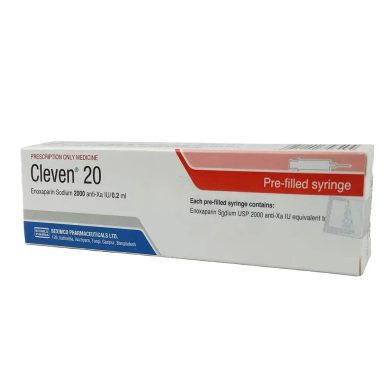

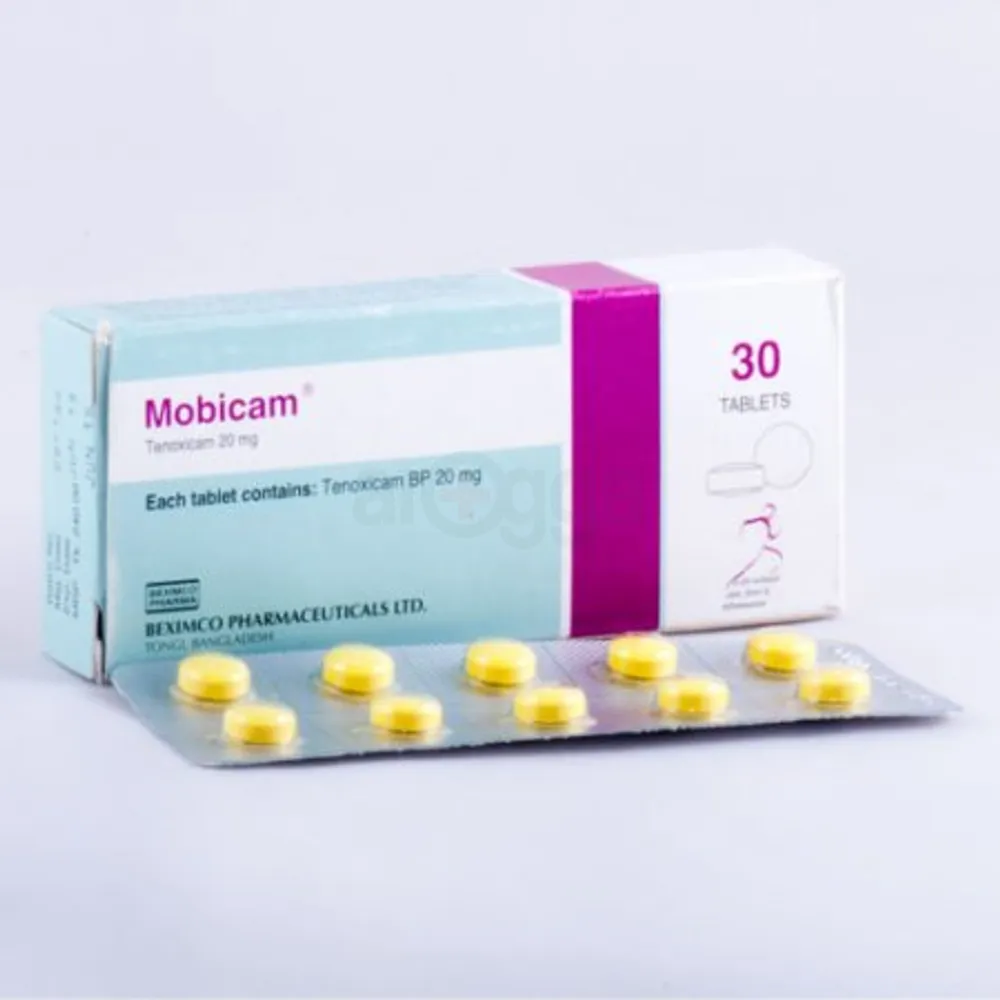

Medicine Overview of Mobicam 20mg Tablet
Mobicam is a pain relieving medicine. It is used for the treatment of moderate to severe pain in conditions like osteoporosis and rheumatoid arthritis.
Mobicam should be taken with food. The dose and duration will depend on what you are taking it for and how well it helps your symptoms. You should keep taking the medicine even if you feel better until the doctor says it is alright to stop using it.
The most common side effects of this medicine include mild vomiting, stomach pain, nausea, headache, and dizziness. If any of these side effects persist or get worse, you should let your doctor know. Your doctor may be able to suggest ways of preventing or reducing the symptoms.
Before using it, you should let your doctor know if you have a history of stomach ulcers, heart diseases, high blood pressure, and liver or kidney disease. Let your doctor also know about all the other medicines you are taking because they may affect, or be affected by, this medicine. Pregnant and breastfeeding mothers should consult their doctors before using the medicine.
- Pain relief
- Rheumatoid arthritis
- Vomiting
- Nausea
- Stomach pain
- Indigestion
- Diarrhea
-
Inform your doctor if you have ever been diagnosed with kidney or liver problems.
-
It should be taken with food or milk to avoid getting an upset stomach.
-
It can cause serious complications like stomach bleeding and kidney problems if taken for a long time.
-
Mobicam can raise your risk of blood clots, heart attack, or a stroke.
-
Inform your doctor if you are pregnant or planning to conceive or breastfeeding.
Oral
Acute musculoskeletal disorders; Osteoarthritis; Rheumatoid arthritis
Adult: 20 mg as a single dose, taken at the same time each day. Max: 40 mg/day (short term use).
Treatment duration: Up to 7 days for acute musculoskeletal disorders and up to 14 days for severe cases.
Elderly: Use the lowest effective dose for the shortest possible duration.
Dyspepsia, nausea, abdominal pain and discomfort, constipation, diarrhoea, flatulence, indigestion, epigastric distress, stomatitits, anorexia; peripheral oedema; headache, dizziness; allergic reactions, asthma, bronchospasm, dyspnoea, rash, pruritus; decreased Hb, anaemia, thrombocytopenia, non-thrombocytopenic purpura, leucopenia, eosinophilia, epistaxis; increased serum transaminase levels; swollen eyes, blurred vision, eye irritation, malaise, tinnitus; oedema, HTN, cardiac failure.
Potentially Fatal: Peptic ulceration, GI bleeding, anaphylaxis, Lyell’s syndrome, Stevens-Johnson syndrome, exfoliative dermatitis, nephrotoxicity, arterial thrombotic events (e.g. MI or stroke), hepatitis, jaundice.








Reviews
Clear filtersThere are no reviews yet.