


Introduction
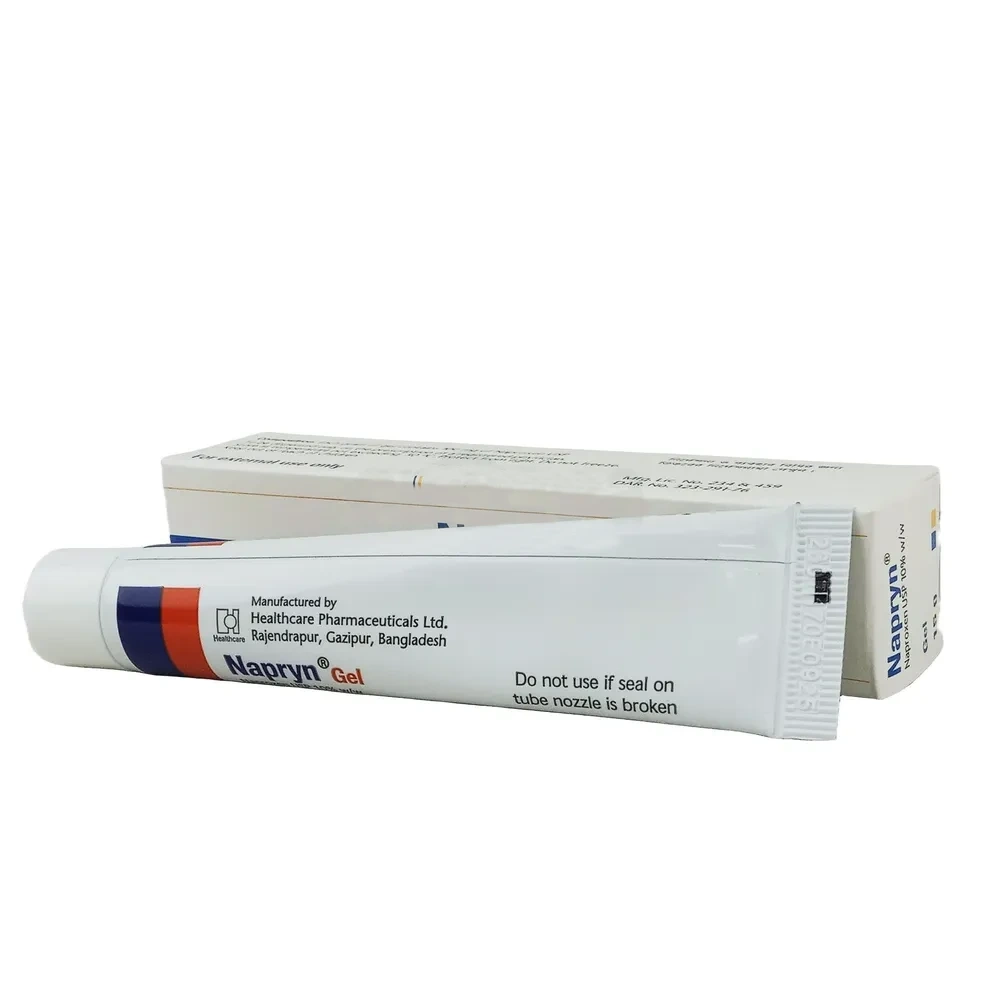
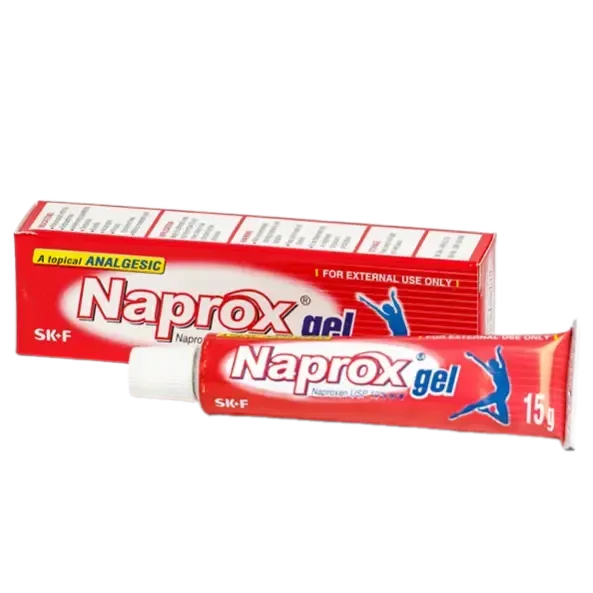
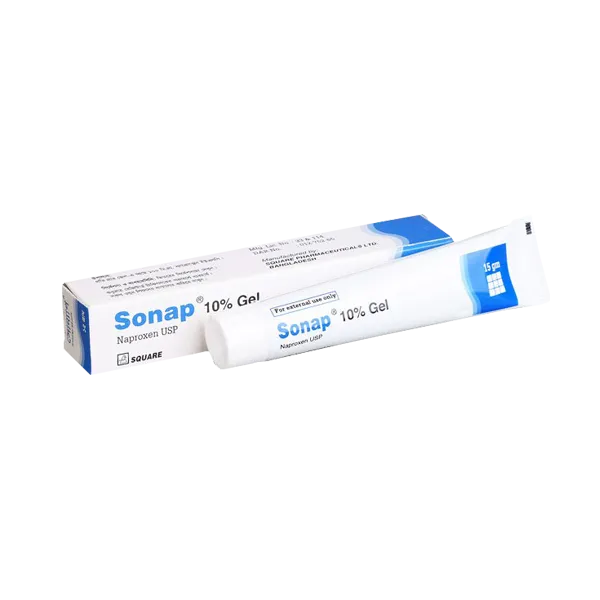
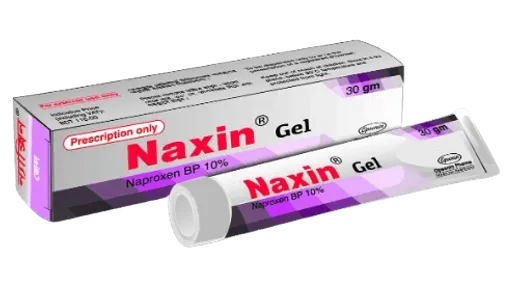
Napryn is a pain relieving medicine. It is used to relieve the pain of soft tissue injuries, and acute strains and sprains. It also used to treat inflammation and other painful conditions of the bone or muscle. Napryn is only meant for external use and should be used strictly as advised by your doctor. A thin layer of the medicine should be massaged into the affected areas with clean and dry hands. Avoid getting in contact with your eyes, nose, or mouth and avoid applying it on wounded or damaged skin. In case of accidental contact with these areas, you should rinse it with cold water. It is usually safe with little or no side effects. However, it may cause burning sensation and skin irritation at the site of application in some people. These are usually temporary and resolve with time. If they do not get better with time or worsen, you should let your doctor know. Your doctor may be able to suggest ways of preventing or reducing the symptoms. Before using the medicine, it is important to tell your doctor if you are using or have recently used any other medicines for the same condition or other diseases. To make sure the medicine is safe, pregnant and breastfeeding women should consult their doctor before using the medicine.
_
Uses of Napryn
Pain relief
Side effects of Napryn
Common
No common side effects seen
How to use Napryn
This medicine is for external use only. Use it in the dose and duration as advised by your doctor. Check the label for directions before use. Clean and dry the affected area and apply the gel. Wash your hands after applying, unless hands are the affected area.
How Napryn works
Napryn is a non-steroidal anti-inflammatory drug (NSAID). It works by blocking the release of certain chemical messengers that cause fever, pain and inflammation (redness and swelling).
Quick Tips
You have been prescribed Napryn to relieve pain and inflammation.
Apply it as a thin layer over the affected area or as suggested.
Avoid getting it in the eyes, mouth or nose. Rinse with cold water if you accidentally get it in these areas.
Do not apply Napryn to broken, diseased, infected, inflamed or irritated skin, or to open wounds.
Do not wash the treated area immediately after applying the medicine or avoid using any other product at the same time.
Brief Description
Indication
Rheumatoid arthritis, Osteoarthritis, Ankylosing spondylitis, Mild to moderate pain, Tendonitis, Acute musculoskeletal disorders, Bursitis
Adult Dose
Topica Adult: Apply Naproxen gel 2-6 times a day as required.
_
Contraindication
Hypersensitivity. Aspirin or NSAID allergy. Perioperative pain in the setting of CABG surgery. Pregnancy (3rd trimester)
Mode of Action
Naproxen, a propionic acid derivative, is a prototypical NSAID. It reversibly inhibits the cyclooxygenase-1 and -2 (COX-1 and -2) enzymes, thus resulting in reduced synthesis of prostaglandin precursors. It can inhibit platelet aggregation, has anti-inflammatory, analgesic and antipyretic actions.
Precaution
Pre-existing CV risk factors or disease e.g. fluid retention, CHF, hypertension. History of GI disease (bleeding or ulcers). Other forms of asthma. Hepatic impairment; closely monitor patients with any abnormal LFT. Renal impairment. Elderly. Lactation.
Side Effect
Oedema, palpitation, dizziness, drowsiness, headache, light headedness, vertigo, pruritus, skin eruption, ecchymosis, purpura, rash, fluid retention, abdominal pain, constipation, nausea, heartburn, diarrhoea, dyspepsia, stomatitis, flatulence, gross bleeding/perforation, indigestion, ulcers, vomiting, abnormal renal function, haemolysis, anaemia, increased bleeding time, elevated LFTs, visual disturbances, tinnitus, hearing disturbances, dyspnoea, diaphoresis, thirst. Potentially Fatal: Anaphylactic/anaphylactoid reactions. Exfoliative dermatitis, Stevens-Johnson syndrome (SJS), toxic epidermal necrolysis (TEN).
_
Pregnancy Category Note
Pregnancy category: C; D in 3rd trimester or near delivery.
Interaction
May enhance methotrexate toxicity. Reduced BP response to ACE inhibitors or angiotensin II receptor antagonists. Increased risk of serious GI events (e.g. ulcer) w/ aspirin. Increased risk of GI bleeding w/ warfarin. May reduce the natriuretic effects of furosemide or thiazide diuretics. May increase serum lithium concentrations and reduce renal lithium clearance. Delayed absorption w/ antacids, colestyramine or sucralfate. May interfere w/ the antihypertensive effects of ?-blockers (e.g. propranolol). May increase serum levels w/ probenecid.





Reviews
Clear filtersThere are no reviews yet.