





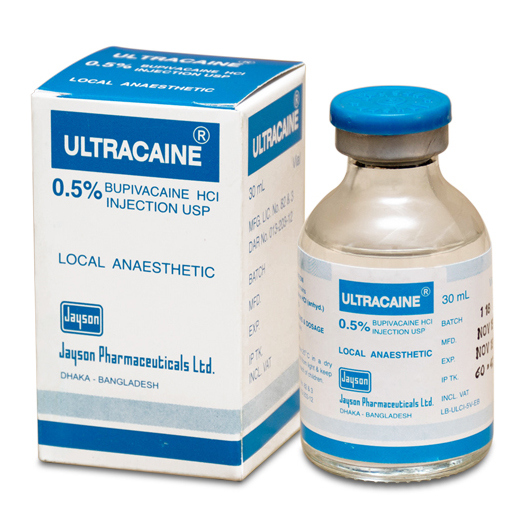
Medicine Overview of Nerkein 5mg/ml Injection
Nerkein is a prescription medication used as a local anesthetic. It is used during minor surgical procedures such as dental, oral, diagnostic, or other therapeutic procedures to anesthetize or numb the surgical area. This medicine can also be useful in the relief of pain, e.g. during labor.
Nerkein blocks the nerve impulses that send pain signals to your brain and helps to perform a painless procedure by temporarily numbing the surgical area.
Like many other medicines, this medicine also has few side effects. The most common side effects of this medicine are nausea, tingling sensation, slow heart rate, high blood pressure, dizziness, inability to empty the urinary bladder, etc. These are usually mild and short-lived. If the numbness or other side effects persist, consult your doctor without delay.
Before using Nerkein, it is very important to tell your doctor if you have any underlying heart disease or are taking medicines for heart rhythm problems. Let your doctor know if you are pregnant or breastfeeding. Also, it is not safe to drive or operate heavy machinery while on medication, unless your doctor permits you to do so.
- Local anesthesia (Numb tissues in a specific area)
- Nausea
- Paresthesia (tingling or pricking sensation)
- Slow heart rate
- Decreased blood pressure
- Dizziness
- Urinary retention
- High blood pressure
- Vomiting
-
Nerkein is given as an injection by the healthcare professional.
-
It may affect your concentration or make you feel sleepy, so avoid driving or using tools or machines until the next day.
-
Consult your doctor immediately if you experience dizziness, lightheadedness, problem with sight or hearing or numbness around lips, tongue and mouth.
-
Inform your doctor if you are pregnant, planning pregnancy or breastfeeding.
Adult: Inj Percutaneous infiltration anesth For prolonged action: 9 mg w/ adrenaline (1 in 200,000), may repeat 2-10 mins later if needed. Max: 90 mg per dental sitting.
Surgical anaesthesia
Peripheral nerve block 12.5 mg (as 0.25% soln) or 25 mg (as 0.5% soln) . Max: 150 mg/dose.
Sympathetic nerve block As 0.25% soln: 50-125 mg.
Retrobulbar block As 0.75% soln: 15-30 mg.
Caudal block In surgery: 37.5-75 mg (as 0.25% soln) or 75-150 mg (as 0.5% soln).
Lumbar epidural block In surgery: 25-50 mg (as 0.25% soln) and 50-100 mg (as 0.5% soln).
Spinal block: 0.5% soln: 10-20 mg (2-4 mL).
Acute pain
Adult: Lumbar block in labour pain: 0.25% soln: 15-30 mg (6-12 mL); 0.375% soln: 22.5-45 mg (6-12 mL); 0.5% soln: 30-60 mg (6-12 mL).
Alternatively, 0.1% soln: 10-15 mg (10-15 mL) per hr; 0.125% soln: 10-15 mg (8-12 mL) per hr via infusion.
Caudal block in labour pain: 0.25% soln: 25-50 mg (10-20 mL); 0.375% soln: 37.5-75 mg (10-20 mL); 0.5% soln: 50-100 mg (10-20 mL).
<12 years: Not recommended
Caudal Block, Epidural Block, Local Block
>12 years
Local Anesthesia: Infiltration 0.25% infiltrated locally: 175 mg maximum
Caudal Block: 15-30 mL of 0.25% or 0.5% (preservative free)
Epidural Block Other Than Caudal Block: 10-20 mL of 0.25% or 0.5%; administer in 3-5 mL increments allowing sufficient time to detect toxic manifestations of inadvertent IV or IT administration (preservative free); for surgical procedures requiring high degree of muscle relaxation and prolonged effects administer10-20 mL of 0.75%; not to be used in obstetrical cases
Peripheral or Sympathetic Nerve Block
>12 years
Peripheral Nerve Block: 5 mL of 0.25-0.5%; 400 mg/day maximum
Sympathetic Nerve Block: 20-50 mL of 0.25%
Hypersensitivity to local anaesthetics of amide type. IV regional anaesthesia; paracervical block in obstetrics; spinal anaesthesia <18 yr. Lactation. Solutions containing preservatives for caudal or epidural block.
Hepatic disease; CV disease; children <12 yr; pregnancy. Elderly and debilitated patients.
Lactation: excretion in milk unknown/not recommended
CNS excitation may be followed by depression. Hypotension, bradycardia, arrhythmias and cardiac arrest; methaemoglobinaemia; seizures, restlessness, dizziness. Hypersensitivity. Prolonged block, Edema, Headache, Hypotension, Hypoventilation, Nausea, Nervousness, Palpitation, Respiratory arrest, Tachycardia, Tinnitus, Tremors, Vomiting
Potentially Fatal: Cardiac and sudden respiratory arrest.
Pregnancy Category: C
Lactation: excretion in milk unknown/not recommended



Reviews
Clear filtersThere are no reviews yet.