




Medicine Overview of Piramax 800mg Tablet
Introduction
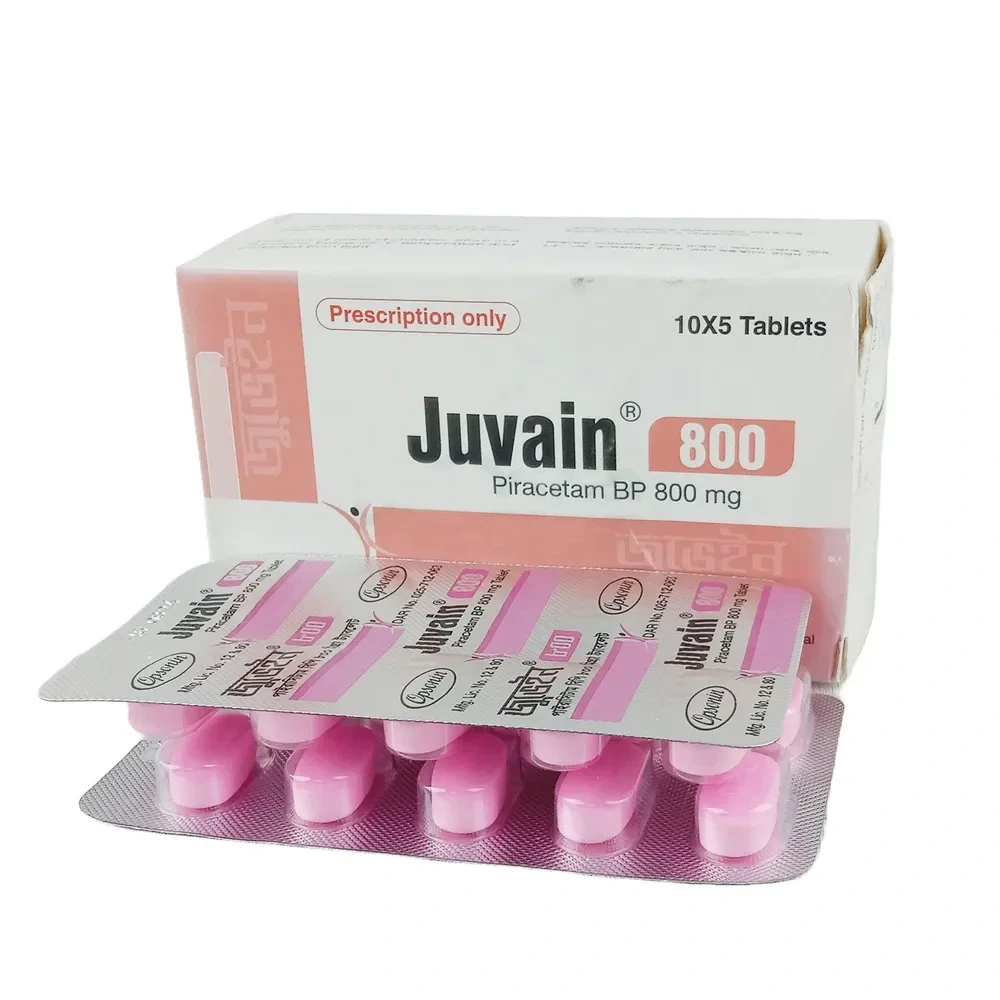
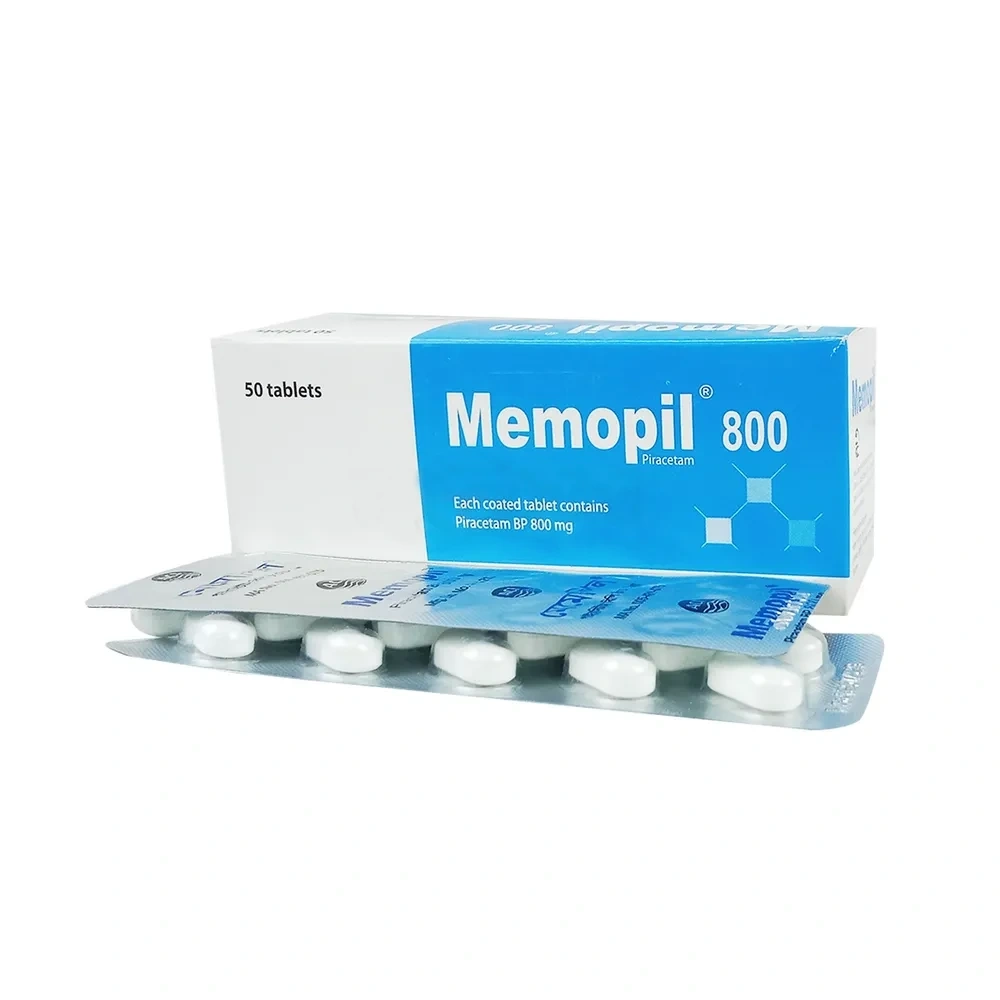
Piramax 800 is a prescription medicine used in the treatment of Alzheimer’s disease, stroke and memory loss in Parkinson’s disease. It can also be used to treat age related memory loss and head injury. It works by improving communication between the nerve cells and protects the brain. Piramax 800 may be taken with or without food. It is advised to take this medicine at the same time each day to maintain a consistent level in the blood. If you miss any doses, take it as soon as you remember. Do not skip any doses and finish the full course of
Uses of Piramax 800
- Alzheimer's disease
- Stroke
- Dementia in Parkinson's disease
- Age related memory loss
- Head injury
Side effects of Piramax 800
Common
- Weight gain
- Nervousness
- Abnormality of voluntary movements
How to use Piramax 800
Take this medicine in the dose and duration as advised by your doctor. Swallow it as a whole. Do not chew, crush or break it. Piramax 800 may be taken with or without food, but it is better to take it at a fixed time.
How Piramax 800 works
Piramax 800 is a nootropic medicine. It works by increasing the activity of a chemical messenger (acetylcholine) which improves communication between the nerve cells. It also protects the brain and nervous system against shortness of oxygen.
Quick Tips
-
It may cause dizziness. Don’t drive or do anything requiring concentration until you know how it affects you.
-
Inform your doctor if you have bleeding problems or if you are on medications that help thin your blood.
-
Inform your doctor if you are pregnant, planning pregnancy or breastfeeding.
-
Inform your doctor if you experience stomach pain, diarrhea, and vomiting.
-
Do not stop taking the medication suddenly without talking to your doctor.
Brief Description
Indication
Cortical myoclonus, Cognitive enhancer
Administration
Oral soln: May be taken with or without food. Take w/ a glass of water or soft drink to mask bitter taste.
Adult Dose
Oral
Adjunct in cortical myoclonus
Adult: 7.2 g daily in 2-3 divided doses, increased by 4.8 g/day every 3-4 days. Max dose: 20 g daily.
Adjunct in cortical myoclonus
Adult: 7.2 g daily in 2-3 divided doses, increased by 4.8 g/day every 3-4 days. Max dose: 20 g daily.
As a cognitive enhancer in cerebrocortical insufficiency
Adult: 2.4 g daily, given as 2-3 divided doses. Up to 4.8 g daily may be used in severe cases.
Child Dose
<16 years old: not recommended
> 16 yeras
The daily dosage depends on the weight,
50 mg/kg of body weight in 3 divided doses.
Once the desired results has been obtained, reduce the initial dose by half.
Renal Dose
Renal impairment:
CrCl (ml/min) Dosage Recommendation
50-79 2/3 usual dose
30-49 1/3 usual dose
20-29 1/6 usual dose
<20 Contra-indicated
CrCl (ml/min) Dosage Recommendation
50-79 2/3 usual dose
30-49 1/3 usual dose
20-29 1/6 usual dose
<20 Contra-indicated
Contraindication
Hepatic and severe renal impairment. Cerebral haemorrhage. Pregnancy and lactation.
Mode of Action
Piracetam protects the cerebral cortex against hypoxia. It also inhibits platelet aggregation and reduces blood viscosity.
Precaution
Avoid abrupt withdrawal. Impaired renal function. Cardiac disorders. Haemostatic disorders. Patients who have recently undergone major surgery. Elderly.
Lactation: contraindicated
Side Effect
Hyperkinesia, nervousness, depression, diarrhoea, rashes. CNS stimulation, sleep disturbances, dizziness, excitement, insomnia, somnolence, wt gain.
Interaction
May increase prothrombin time in patients who are on warfarin.



Reviews
Clear filtersThere are no reviews yet.