

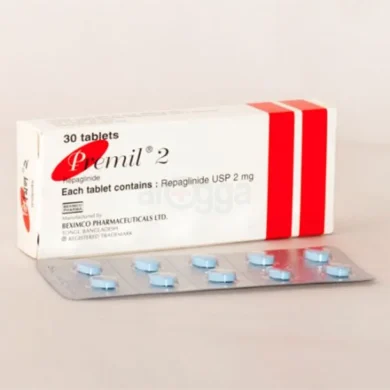



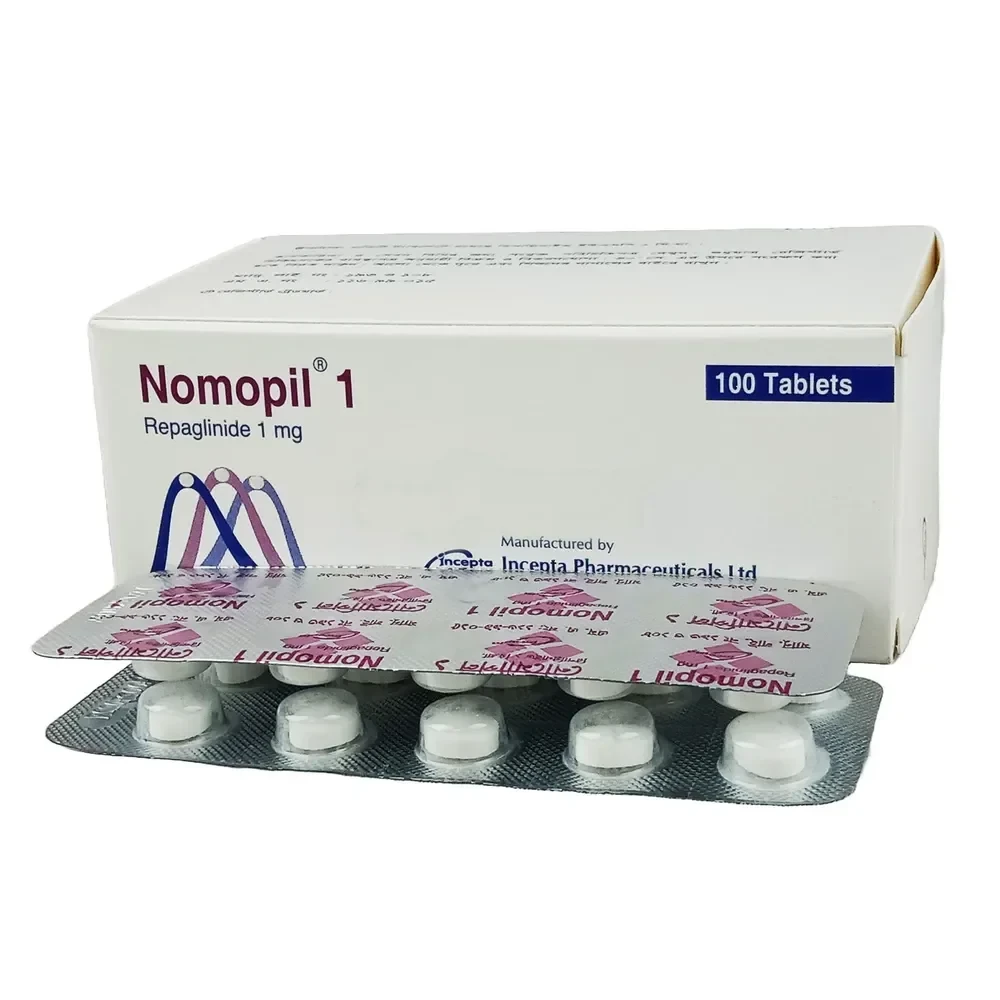
Medicine Overview of Premil 1mg Tablet
Premil is used to lower blood sugar levels in adults with type 2 diabetes mellitus. It is usually prescribed along with other diabetes medicines to achieve adequate blood sugar control. It also prevents serious complications of diabetes like kidney damage and blindness.
Premil is normally prescribed when diet and exercise alone or other medicines have not been enough to control your blood sugar level. It works best when taken before meals. The dose will depend on your condition, and blood sugar levels, but you should use it as advised by your doctor.
You should take it regularly, at the same time each day, to get the most benefit and you should not stop unless your doctor recommends it. It is controlling your blood sugar levels and helping to prevent serious complications in the future. It is important to stay on the diet and exercise program recommended by your doctor while taking this medicine. Your lifestyle plays a big part in controlling diabetes.
The most common side effect of taking this medicine is low blood sugar level (hypoglycemia). You can carry sugar or glucose candy to control low blood sugar level. Other side effects that may be seen while taking this medicine include dizziness, back pain and flu-like symptoms. Contact your doctor if the side effects worry you or if they do not go away.
Before taking this medicine, let your doctor know if you have ever had kidney disease, heart or pancreas problems, or if you drink a lot of alcohol. Pregnant or breastfeeding women should also consult their doctor before taking it. Some other medicines you are taking may interfere with it so make sure your doctor knows about all the other medicines you are using. Limit your alcohol intake while taking this medicine because it can increase your risk of developing low blood sugar levels. You may need regular tests such as kidney function and blood glucose levels to check that the medicine is working properly.
- Type 2 diabetes mellitus
- Joint pain
- Dizziness
- Back pain
- Diarrhea
- Flu-like symptoms
- Upper respiratory tract infection
-
For best results, take Premil 15 to 30 minutes before a meal.
-
You should continue to exercise regularly, eat a healthy diet, and take your other diabetes medicines along with Premil
-
It may cause dizziness. Do not drive or do anything that requires mental focus until you know how Premil affects you.
-
It may cause hypoglycemia (low blood sugar level) when used with other antidiabetic medicines, alcohol or if you delay or miss a meal.
-
Always carry some sugary food or fruit juice with you in case you experience hypoglycemic symptoms such as cold sweats, cool pale skin, tremor, and anxiety.
-
Monitor your blood sugar levels regularly while you are taking this medicine.
-
Inform your doctor if you are pregnant, planning pregnancy or breastfeeding.
Oral
Type 2 diabetes mellitus
Adult: Usual initial dose: 0.5 mg before main meals.
Initial doses of 1 or 2 mg may be used in patients who have had previous hypoglycaemic treatment.
May adjust dose at intervals of 1-2 wk, up to 4 mg before meals.
Max dose: 16 mg daily.
Hepatic impairment: May require longer intervals between dosage adjustments.
Renal Impairment
CrCl 40-80 mL/minute: No adjustments necessary
CrCl 20-40 mL/minute: 0.5 mg with meals; titrate slowly and monitor
CrCl < 20 mL/minute: Data not available
Cytochrome P450 3A4 inducers eg. rifampicin, barbiturates and carbamazepine may increase repaglinide metabolism. NSAIDs and other highly protein bound drugs eg, salicylates, sulphonamides, phenylbutazone, oral anticoagulants and hydantoins may potentiate action of repaglinide. Ketoconazole, fluconazole, itraconazole and erythromycin may increase plasma conc of repaglinide. Antagonistic effect with drugs causing hyperglycaemia. Concurrent use with gemfibrozil may lead to enhanced and prolonged blood glucose lowering effect.
Potentially Fatal: Increased risk of myocardial infarction when used with isophane insulin.



Reviews
Clear filtersThere are no reviews yet.