




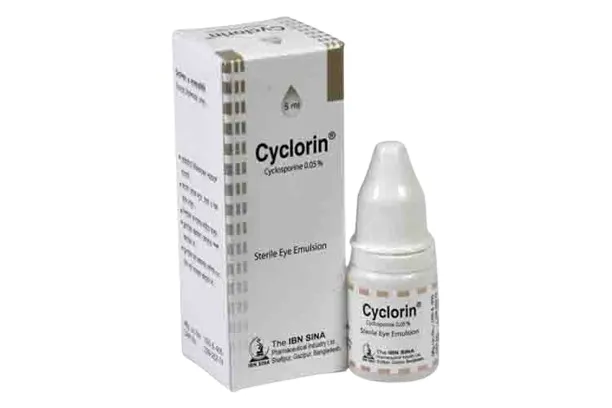
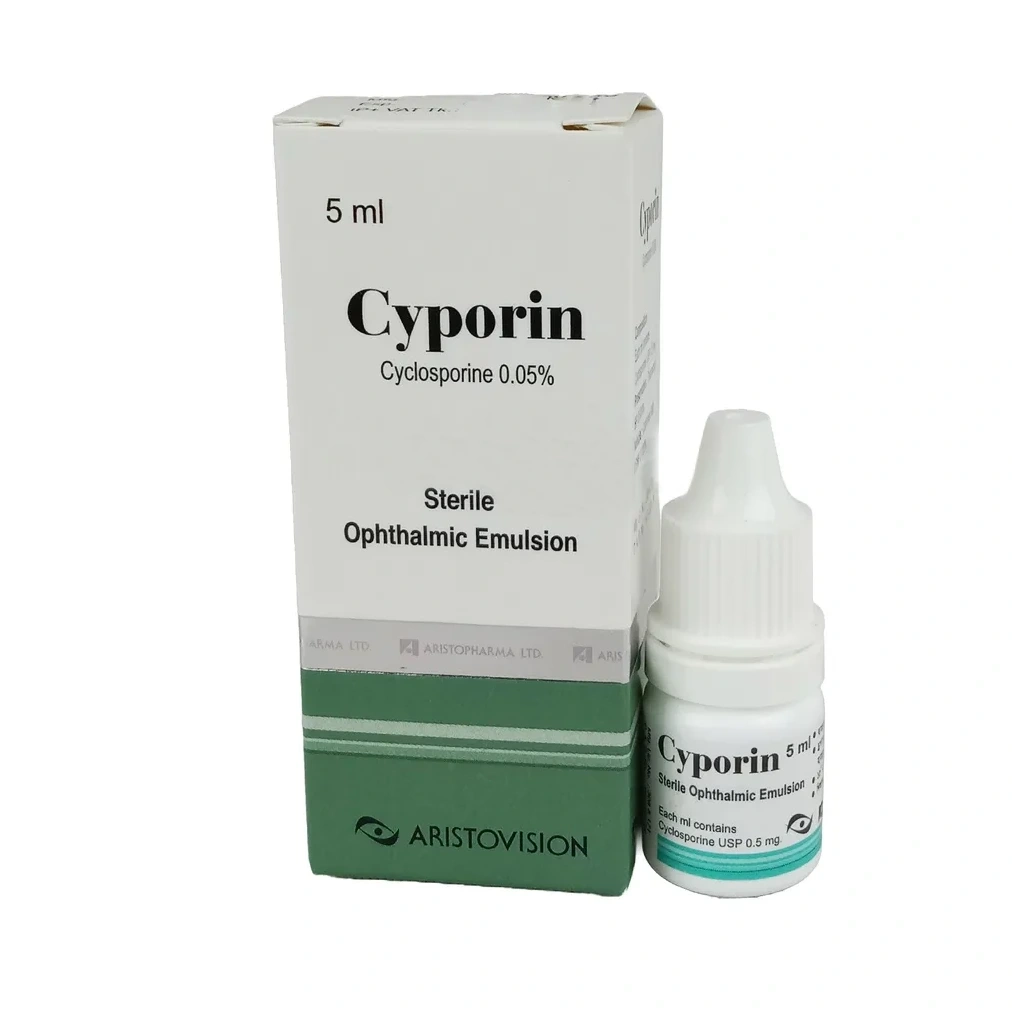
Medicine Overview of Restor 50mg/100ml Eye Drop
Restor is used to prevent your body rejecting a new organ after a liver, kidney or heart transplant. It works by weakening your immune system so that your body does not attack the new organ. It can also be used to treat severe rheumatoid arthritis and a skin condition called psoriasis.
The amount of Restor you take depends on your weight, medical condition and what you are taking it for. Your doctor will plan the correct dose for you. Do not change the dose without talking to your doctor. It can be taken with or without food. It is better to take it, in the same way, each time and at the same time every day to get the maximum benefit. Keep taking these tablets for as long as you have been told to, even if you feel well. Stopping treatment may increase the risk of your transplanted organ being rejected.
The most common side effects of this medicine include headache, unusual growth of facial or body hair, high blood pressure, diarrhea and shaking or tremors. Because it lowers your immune system, you may also catch more infections than usual. Tell your doctor straight away if you develop an infection. For the same reason, you may be more at risk of developing some cancers, particularly of the skin. You should limit your exposure to sunlight.
Before taking this medicine you should tell your doctor if you have liver or kidney problems, high blood pressure, gout (increased uric acid levels in the blood) or epilepsy. Also, tell your doctor about all other medicines you are taking as they may affect the working of the medicine. This medicine should only be used in pregnancy if it is clearly needed. However, it is not recommended while breastfeeding. You will have frequent medical tests while taking this medicine to check your blood pressure, liver and kidney function and mineral levels. The results of tests may lead to changes in your dose.
- Prevention of organ rejection in transplant patients
- Rheumatoid arthritis
- Psoriasis
- Headache
- Nausea
- Vomiting
- Increased hair growth
- High blood pressure
- Renal dysfunction
- Loss of appetite
- Diarrhea
- Tremor
-
Restor is used to prevent organ rejection in transplant patients.
-
It is also used to treat arthritis and immune disorders of the eyes, lungs, muscles, skin, nerves, and blood vessels.
-
It may take 3 to 4 months for the medication to work. Keep taking it as prescribed.
-
Your doctor may get regular blood tests done to check the levels of blood cells in your blood. Inform your doctor if you experience unexplained bruising or bleeding, sore throat, mouth ulcers, fever or general illness.
-
Your doctor may monitor your kidney function regularly. Drink 8 to 10 glasses of water per day to help with your kidney function.
-
Do not stop taking Restor without talking to your doctor first.
Keratoconjuntivitis Sicca
1 drop twice daily approximately 12 hours apart in each eye
May be used with artificial tears; allow 15-minute interval between products
<16 years
Safety and efficacy not established
>16 years
Keratoconjuntivitis Sicca
1 drop twice daily approximately 12 hours apart in each eye
May be used with artificial tears; allow 15-minute interval between products
Cyclosporine eye drop should not be administered while wearing contact lenses. Patients with decreased tear production typically should not wear contact lenses. If contact lenses are worn, they should be removed prior to the administration of this formulation. Lenses may be reinserted 15 minutes following administration of Cyclosporine eye drop.
Lactation: Excretion in milk unknown; use with caution
>10%
Ocular burning (17%)
Frequency Not Defined
Conjunctival hyperemia,Discharge,Epiphora,Eye pain,Foreign body sensation,Pruritus
Pregnancy
Clinical administration of cyclosporine ophthalmic emulsion 0.05% is not detected systemically following topical ocular administration, and maternal use is not expected to result in fetal exposure to the drug
Oral administration of cyclosporine to pregnant rats or rabbits did not produce teratogenicity at clinically relevant doses
Lactation
Cyclosporine is known to appear in human milk following systemic administration, but presence in human milk following topical treatment has not been investigated; although blood concentrations are undetectable following topical administration of cyclosporine ophthalmic, caution should be exercised when cyclosporine ophthalmic multidose is administered to a nursing woman; the developmental and health benefits of breastfeeding should be considered along with the mother’s clinical need for cyclosporine ophthalmic multidose and potential adverse effects on the breast-fed child from cyclosporine
Increased ciclosporin level by diltiazem, doxycycline, erythromycin, ketoconazole, methylprednisolone (high doses), nicardipine, verapamil, oral contraceptives. Drugs which reduce ciclosporin level are carbamazepine, isoniazid, phenobarbitone, phenytoin and rifampicin. Increased risk of convulsion when used concurrently with high-dose methylprednisolone.
Potentially Fatal: Additive nephrotoxicity when used with aminoglycosides, amphotericin B, ciprofloxacin, colchicine, melphalan, co-trimoxazole and NSAIDs.



Reviews
Clear filtersThere are no reviews yet.