




Medicine Overview of Risomax 2mg Tablet
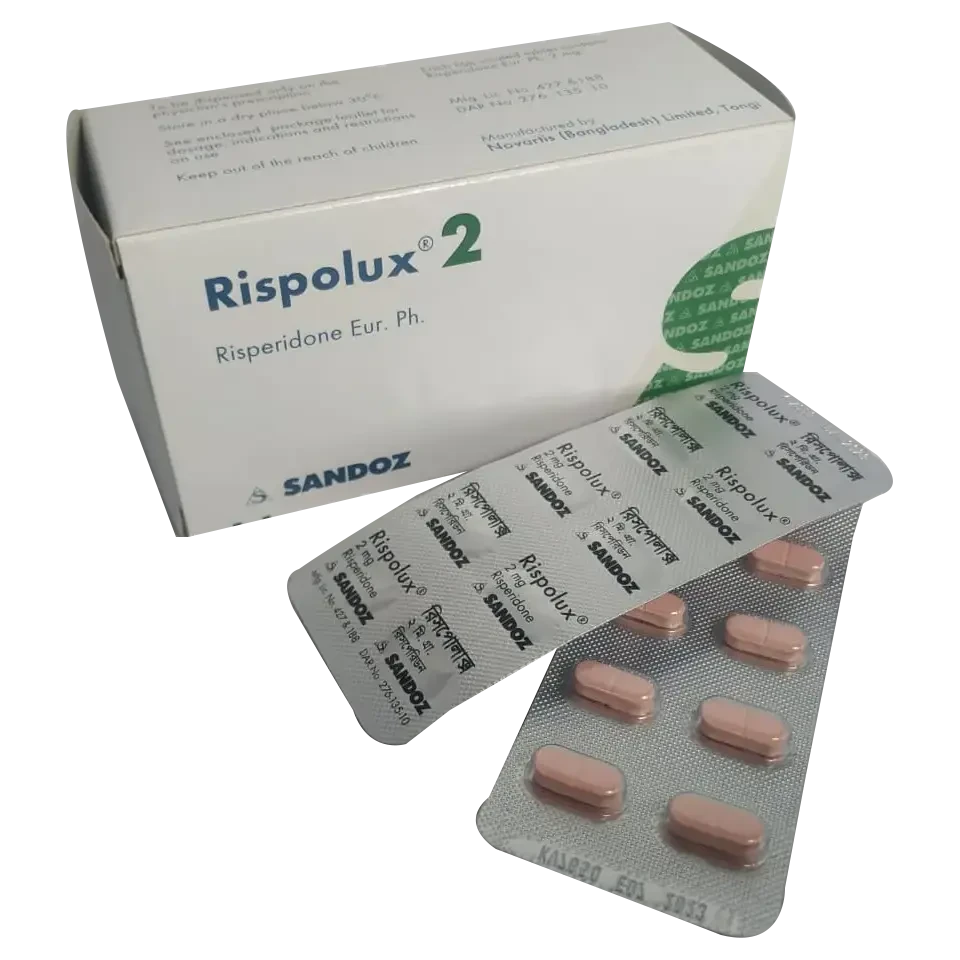
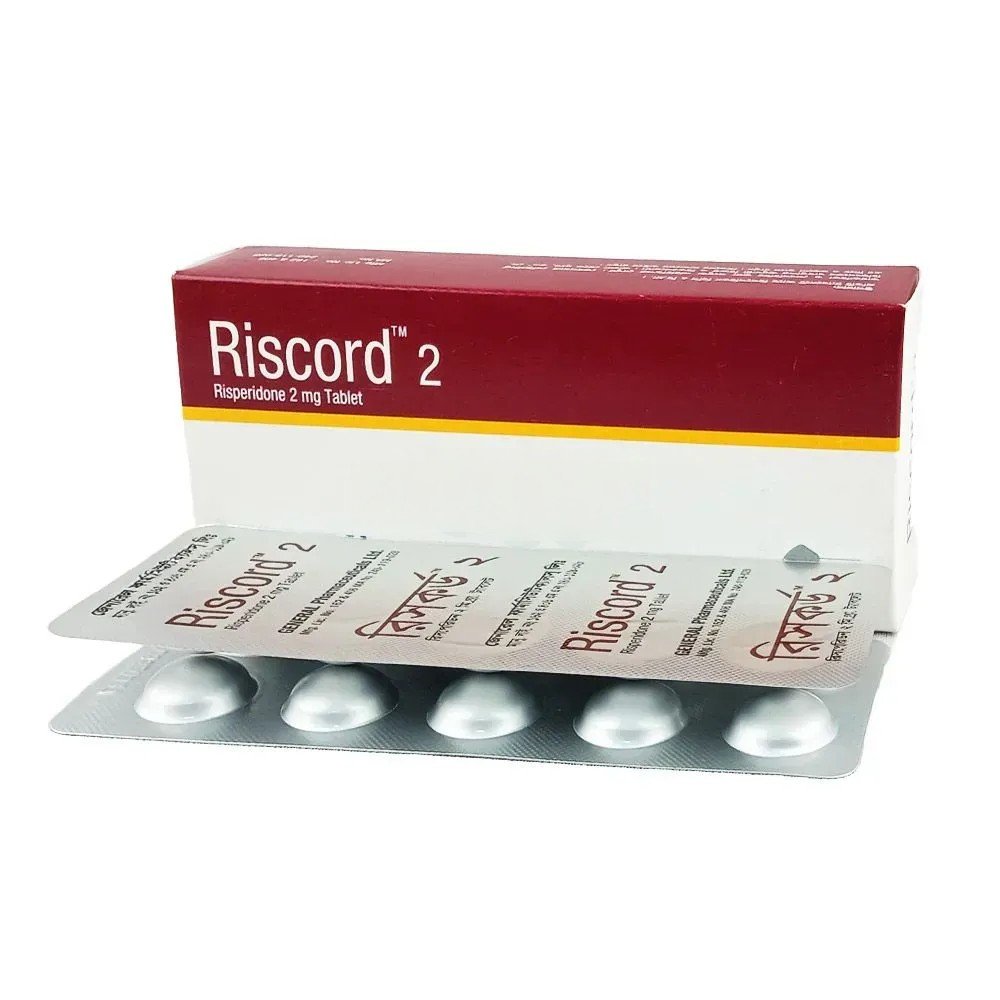
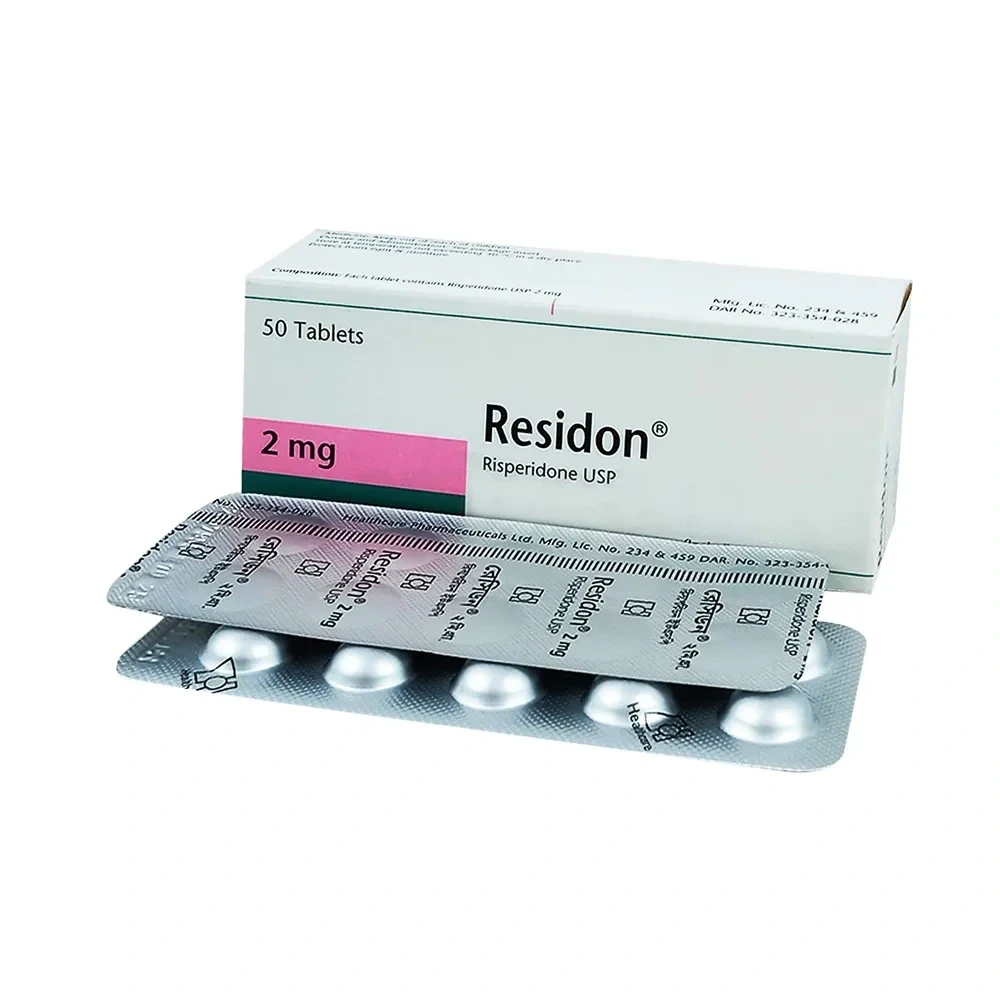
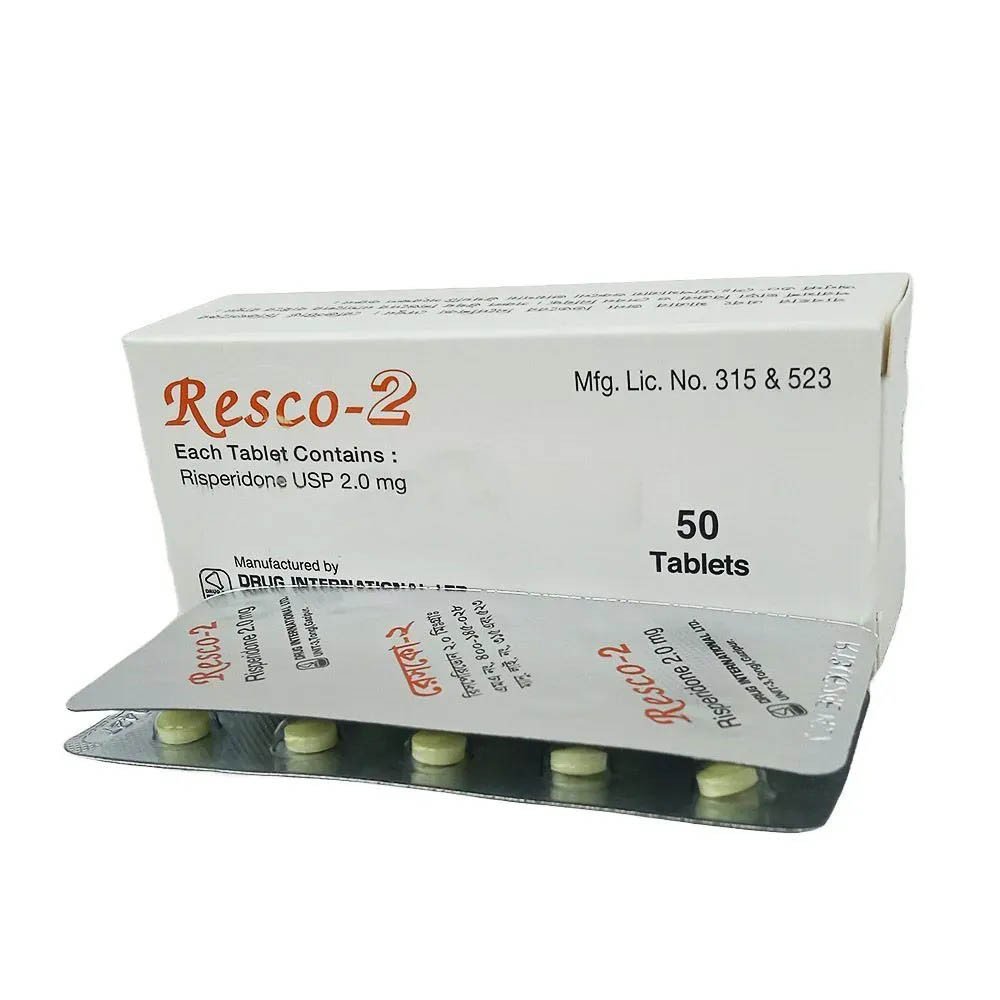
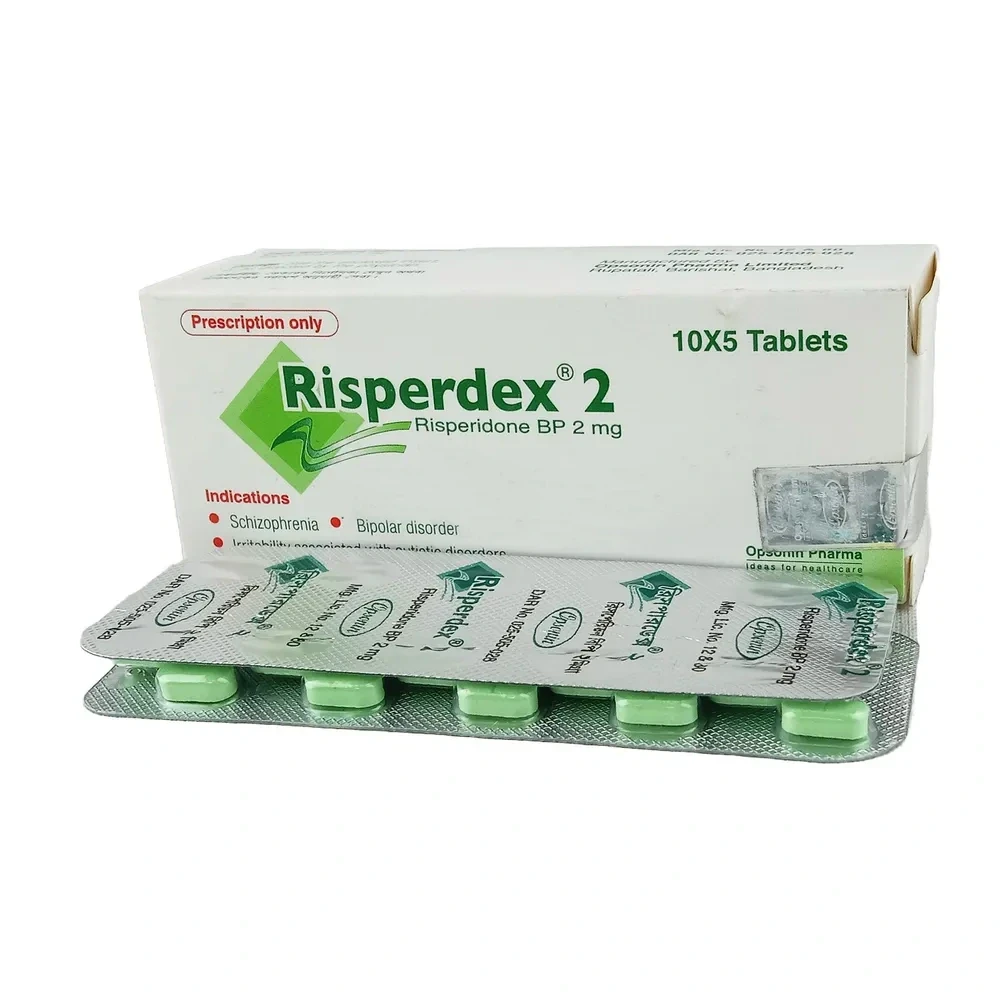
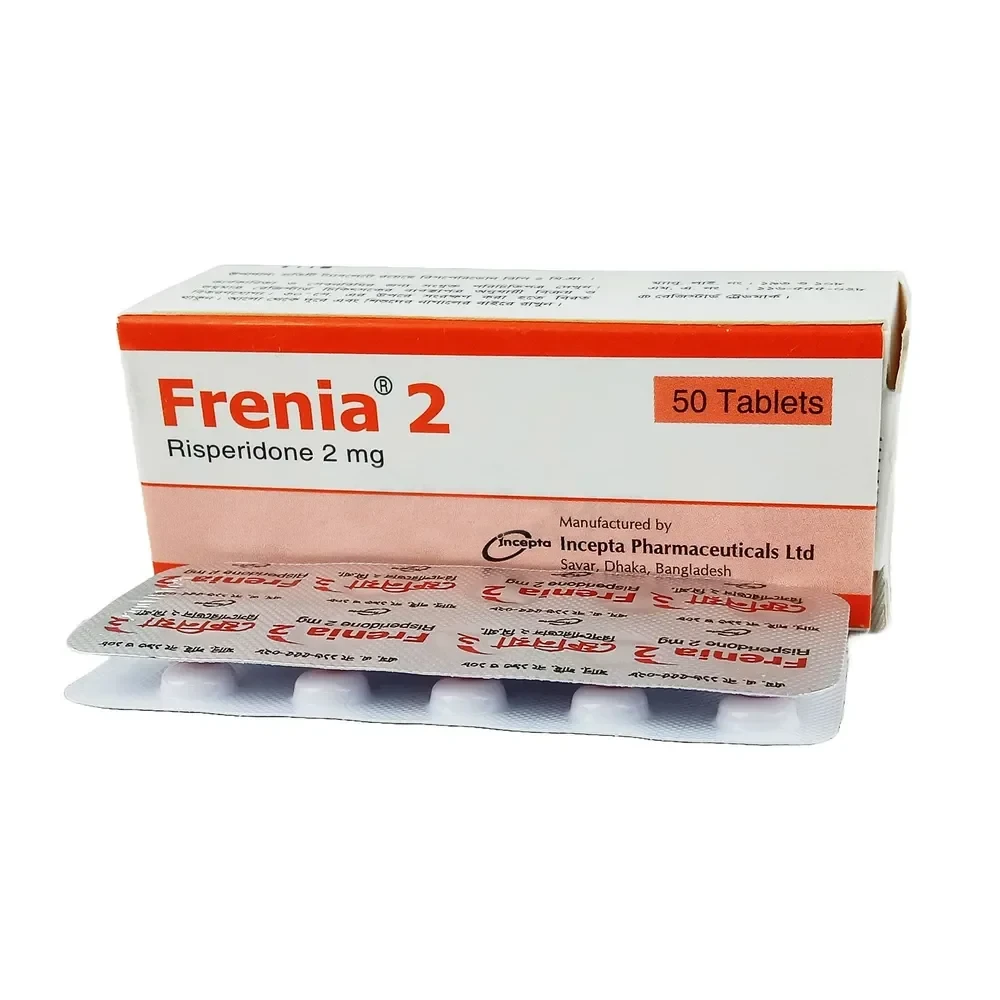
Risomax is a prescription medicine used in the treatment of schizophrenia (a mental disorder that can result in hallucinations or delusions and also adversely affects a person’s ability to think and behave) and mania.
Risomax is taken with or without food, preferably at night. However, it is advised to take it at the same time each day as this helps to maintain a consistent level of medicine in the body. Take this in the dose and duration as advised by your doctor and if you have missed a dose, take it as soon as you remember. It is important that this medication is not stopped suddenly without talking to your doctor as it may worsen your symptoms. However, discontinue this medicine immediately if you experience Neuroleptic malignant syndrome (NMS), characterized by fever, muscle rigidity, and altered consciousness or seizures.
Some common side effects of this medicine include dryness in mouth, constipation, muscle rigidity, restlessness, and tremor. Initially, this medicine may cause a sudden drop in blood pressure when you change positions, so it is better to rise slowly if you have been sitting or lying down. It also causes dizziness and sleepiness, so do not drive or do anything that requires mental focus until you know how this medicine affects you. This medicine may increase your weight but, modifying your lifestyle by having a healthy diet and exercising regularly can reduce this side effect.
You should be cautious while using this medicine as it may increase the risk of developing diabetes, so it is better to monitor glucose regularly. Inform your doctor if you develop any unusual changes in mood or behavior, new or worsening depression, or suicidal thoughts while taking this medicine.
Show less
- Schizophrenia
- Mania
- Dizziness
- Sleepiness
- Orthostatic hypotension (sudden lowering of blood pressure on standing)
- Dryness in mouth
- Weight gain
- Constipation
- Muscle stiffness
- Restlessness
- Tremor
-
Sizodon MD 0.5 Tablet helps treat schizophrenia and mania.
-
It may cause less weight gain, sedation, and heart problems as compared to other similar medicines.
-
It may take 4-6 weeks to notice any medication effects. Keep taking it as prescribed.
-
Use caution while driving or doing anything that requires concentration as Sizodon MD 0.5 Tablet can cause dizziness and sleepiness.
-
It may cause increase in weight, blood sugar, cholesterol, and fat. Eat healthy, exercise, and monitor your levels regularly.
-
Inform your doctor if you experience any abnormal movements or restlessness.
-
Inform your doctor if you have a history of heart diseases as Sizodon MD 0.5 Tablet can increase your risk of irregular heartbeat.
-
Do not stop taking Sizodon MD 0.5 Tablet without talking to your doctor first as it may cause worsening of symptoms.
Oral
Schizophrenia
2 mg/day initially; may be increased in increments of 1-2 mg/day at intervals >24 hours
Recommended target dosage: 2-8 mg/day once daily or divided q12hr (efficacy follows bell-shaped curve; 4-8 mg/day more effective than 12-16 mg/day)
Bipolar Mania
2-3 mg/day initially; may be increased if necessary in increments of 1 mg/day at intervals of 24 hours to 6 mg/day; dosage recommendations not available for treatment duration >3 weeks
Tourette Syndrome
0.5-1 mg/day PO; may be increased or decreased in increments of 0.5 mg q12hr at intervals >3 days; not to exceed 6 mg/day
Posttraumatic Stress Disorder
0.5-8 mg/day PO
Elderly: Initially, 0.5 mg bid gradually increased in increments of 0.5 mg bid. Maintenance: 1-2 mg bid.
Hepatic impairment: Initially, 0.5 mg bid, may increase in steps of 0.5 mg bid, up to 1-2 mg bid.
Dose increments above 1.5 mg bid should be made at intervals of at least 1 wk.
Show less
Oral
Schizophrenia
<13 years: Safety and efficacy not established
>13 years: 0.5 mg/day PO in morning or evening initially; may be increased in increments of 0.5-1 mg/day at intervals >24 hr to recommended dosage of 3 mg/day; dosage range: 1-6 mg/day (dosages >3 mg/day have not been proved more effective and are associated with increased incidence of adverse effects)
If persistent somnolence occurs, daily dose may be divided q12hr
Bipolar Mania
<10 years: Safety and efficacy not established
>10 years: 0.5 mg/day PO in morning or evening initially; may be increased in increments of 0.5-1 mg/day at intervals >24 hr to recommended dosage of 2.5 mg/day; dosage range: 0.5-6 mg/day (dosages >2.5 mg/day have not been proved more effective and are associated with increased incidence of adverse effects)
If persistent somnolence occurs, daily dose may be divided q12hr
Autism
Irritability associated with autistic disorder in children aged 5-16 years
<5 years: Safety and efficacy not established
5-16 years (<20 kg): 0.25 mg/day PO initially; may be increased after >4 days to recommended dosage of 0.5 mg/day
5-16 years (>20 kg): 0.5 mg/day PO initially; may be increased after >4 days to recommended dosage of 1 mg/day
Show less
Renal impairment: Initially, 0.5 mg bid, may increase in steps of 0.5 mg bid, up to 1-2 mg bid.
Dose increments above 1.5 mg bid should be made at intervals of at least 1 wk.
Show less
Preexisting CV diseases; discontinue use if signs and symptoms of tardive dyskinesia occur; renal and hepatic impairment, elderly, epilepsy; parkinsonism; pregnancy. May cause drowsiness and orthostatic hypotension. Gradual withdrawal is recommended. Monitor blood glucose in diabetics and patients at risk of developing diabetes.
Lactation: Drug distributed in breast milk; do not nurse
Show less
>10%
Somnolence (40-45%),Insomnia (26-30%),Agitation (20-25%),Anxiety (10-15%),Headache (10-15%),Rhinitis (10-15%),Fatigue (18-31%),Parkinsonism (28-62%),Akathisia (5-11%),Increased appetite (4-44%),Vomiting (10-20%),Drooling (<12%),Urinary incontinence (5-22%),Tremor (11-24%),Nasopharyngitis (4-19%),Rhinorrhea (4-12%),Enuresis (1-16%)
1-10%
Constipation (5-10%),Dyspepsia (5-10%),Nausea (5-10%),Abdominal pain (1-5%),Aggressive reaction (1-5%),Facial edema (<4%),QT prolongation (<4%),Dizziness (1-5%),Extrapyramidal symptoms (EPS; 1-5%),Gynecomastia in children (1-5%),Rash (1-5%),Tachycardia (1-5%),Syncope (1-2%),Bradycardia (<4%),Palpitation (<4%),Chest pain (<4%),Agitation (<4%),Postural dizziness (<4%),Pruritus (<4%),Acne (1-2%),Hyperprolactinemia (<4%),Sexual dysfunction (<4%),Xerostomia (7-10%)
<1%
Agranulocytosis,Cholesterol increased,Delirium,Ketoacidosis,Orthostatic hypotension,Seizures
Frequency Not Defined
Diabetes mellitus,Hyperthermia,Hypoglycemia,Hypothermia,Myelosuppression,Neuroleptic malignant syndrome (NMS),Priapism,Prolonged QT interval,Tardive dyskinesia,Thrombotic thrombocytopenic purpura (TTP),Sleep apnea syndrome,Urinary retention
Potentially Fatal: Neuroleptic malignant syndrome may occur rarely; seizures. May cause increased mortality in elderly with dementia-related psychosis.
Show less
May antagonise the effects of levodopa and dopamine agonists. May increase serum levels of clozapine when used together. Increased serum levels of carbamazepine when used concurrently. Carbamazepine may also decrease the serum levels of risperidone. Increased risk of neuroleptic malignant syndrome when used with indinavir and ritonavir.
Potentially Fatal: Risperidone may enhance the hypotensive effect of certain antihypertensives.
Show less








Reviews
Clear filtersThere are no reviews yet.