

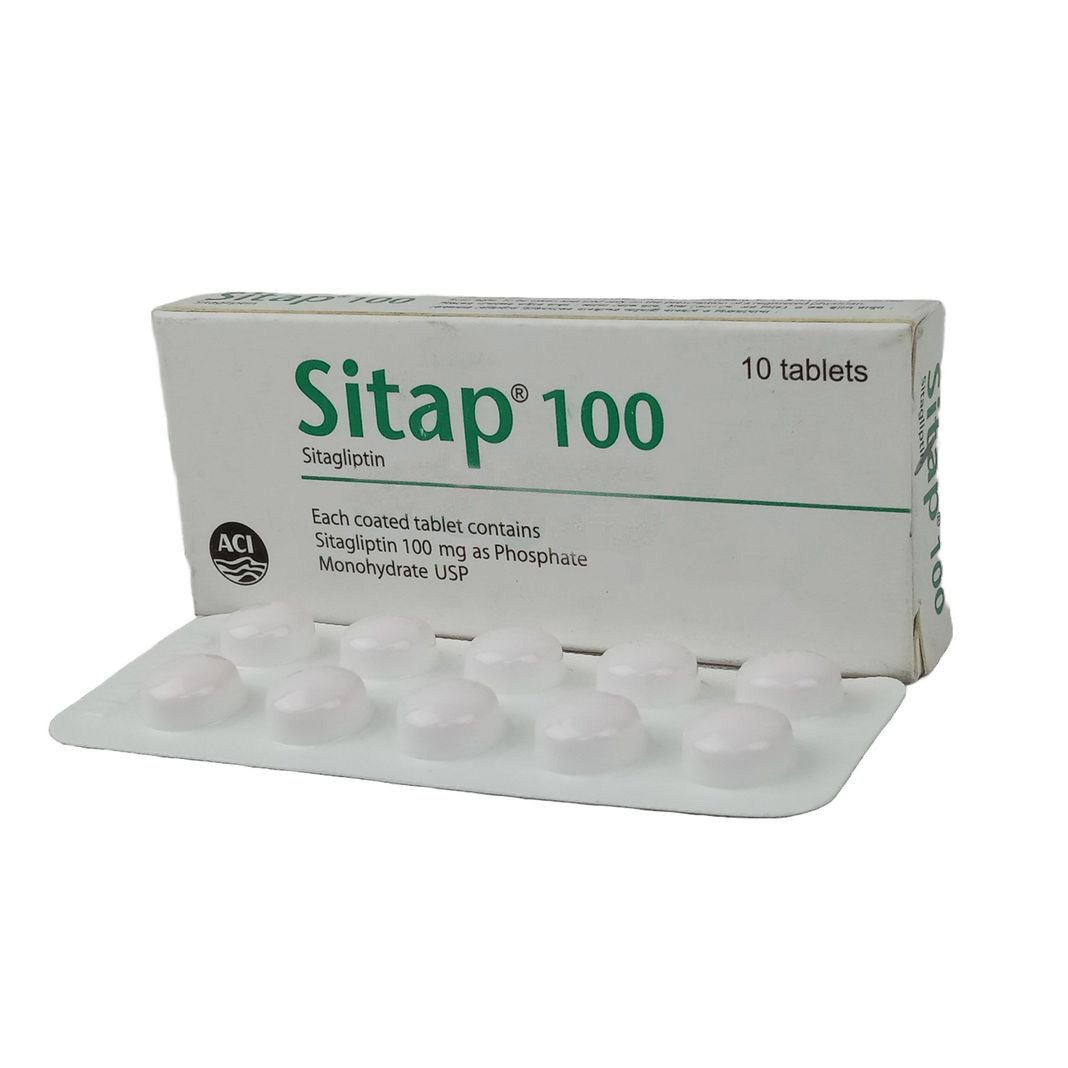

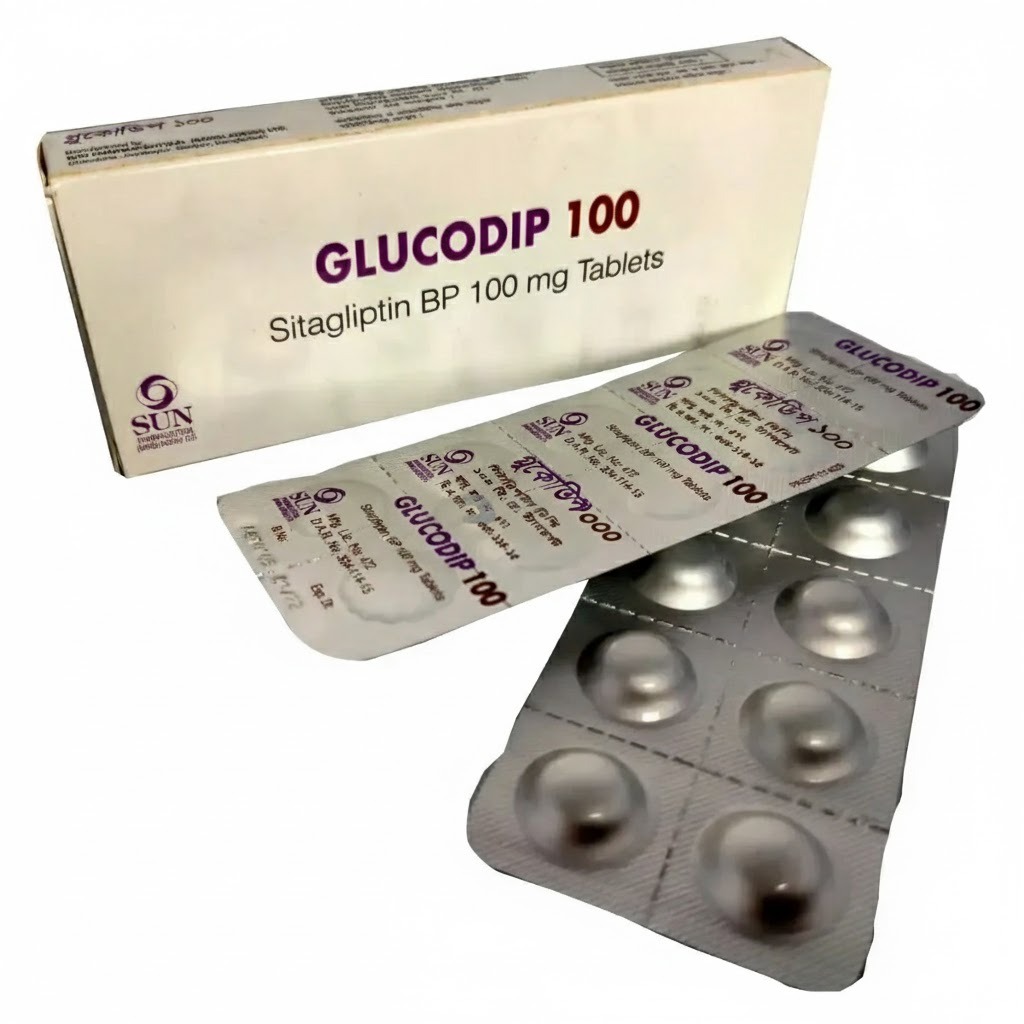
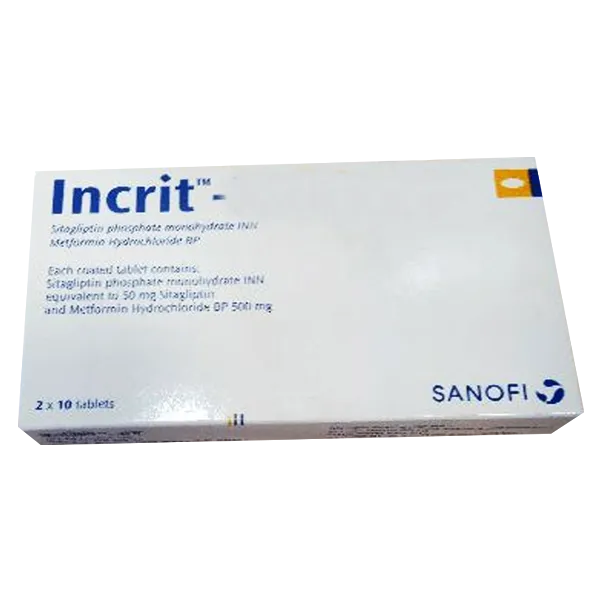
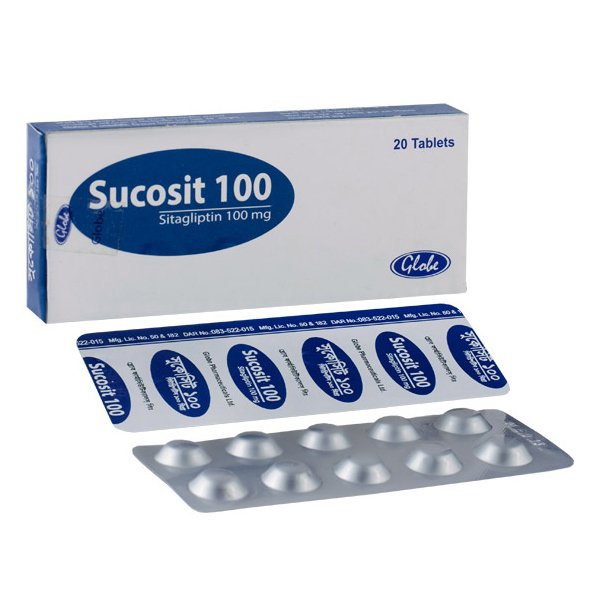
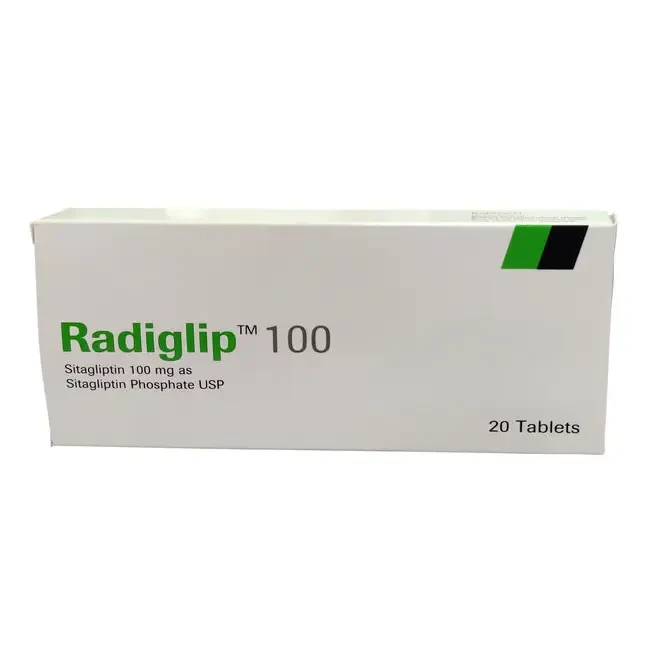
Medicine Overview of Sitap 100mg Tablet
Sitap 100 is a medicine used to treat type 2 diabetes mellitus. It is used together with a healthy diet and regular exercise to control blood sugar levels. This helps to prevent serious complications of diabetes like kidney damage and blindness.
Sitap 100 is normally prescribed when diet and exercise alone or other medicines do not prove sufficient to control your blood sugar level. Your doctor may prescribe it alone or along with other diabetes medicines. It may be taken on an empty stomach or with a meal. The dose will depend on your condition, and blood sugar levels. Therefore, you should use it as advised by your doctor.
You should take it regularly at the same time each day to get the most benefit, and you should not stop unless your doctor recommends. This medicine is helping you to control your blood sugar levels and prevent serious complications in the future. It is important to stay on the diet and exercise program recommended by your doctor while taking this medicine. Your lifestyle plays a big part in controlling diabetes.
The most common side effect of taking this medicine is headache. This is usually minor and improves with time. Low blood sugar level (hypoglycemia) is a possible side effect if you are also taking other diabetes medicines like insulin or sulfonylurea, so you need to know how to recognize and deal with it. It may also cause upper respiratory tract infections like sore throat, cough and cold. Contact your doctor if the side effects worry you or if they do not go away.
Before taking this medicine, let your doctor know if you have ever had kidney disease, heart or pancreas problems, or if you drink a lot of alcohol. Pregnant or breastfeeding women should also consult their doctor before taking it. Some other medicines you are taking may interfere with this medicine’s working. So, make sure your doctor knows about all the other medicines you are using. Limit your alcohol intake while taking this medicine because it can increase your risk of developing low blood sugar levels. You may need regular tests such as kidney function and blood glucose levels to check that the medicine is working properly.
Show less
- Type 2 diabetes mellitus
- Headache
- Hypoglycaemia (low blood sugar level) in combination with insulin or sulphonylurea
- Upper respiratory tract infection
- Nasopharyngitis (inflammation of the throat and nasal passages)
-
Sitap 100 should be taken at the same time every day since this helps you remember to take it.
-
It may cause hypoglycemia (low blood sugar level) when used with other antidiabetic medicines, alcohol or if you delay or miss a meal.
-
Always carry some sugary food or fruit juice with you in case you experience hypoglycemia symptoms such as cold sweats, cool pale skin, tremor and anxiety.
-
Be careful while driving or operating machinery until you know how Sitap 100 affects you.
-
Inform your doctor if you notice joint pains or develop symptoms such as stomach pain, nausea and/or vomiting.
Oral
Type 2 diabetes mellitus
Adult: 100 mg once daily.
Hepatic impairment
Mild to moderate impairment: Dose adjustment not necessary
Severe impairment: Not studied
Show less
Safety and efficacy not established
Show less
Renal impairment
CrCl >50 mL/min: Dose adjustment not necessary
CrCl 30-50 mL/min: 50 mg PO qDay
CrCl <30 mL/min: 25 mg PO qDay
ESRD: 25 mg PO qDay regardless of hemodialysis
Show less
Patient w/ type 1 diabetes, history of angioedema. Not intended for the treatment of diabetic ketoacidosis. Moderate and severe renal impairment. Pregnancy and lactation. Monitoring Parameters Monitor glycosylated Hb (HbA1c), serum glucose. Assess renal function prior to initiation of therapy and periodically thereafter.
Lactation: Not known whether excreted in breast milk: use caution
Show less
1-10%
Nasopharyngitis (5%),Diarrhea (4%),Headache (3.6%),Constipation (3%),Peripheral edema (2%),Nausea (2%),Pharyngitis (1%),Osteoarthritis (1%),URI (1%)
<1%
Hypersensitivity reactions such as anaphylaxis, angioedema, rash, urticaria, cutaneous vasculitis, and exfoliative skin conditions (including Stevens-Johnson syndrome)
Hepatic enzyme elevations,Acute pancreatitis, including fatal and nonfatal hemorrhagic and necrotizing pancreatitis.Constipation.Vomiting.Worsening renal function, including acute renal failure (sometimes requiring dialysis),Severe and disabling arthralgia,Myalgia,Pain in extremity,Back pain
Show less







Reviews
Clear filtersThere are no reviews yet.