


Introduction
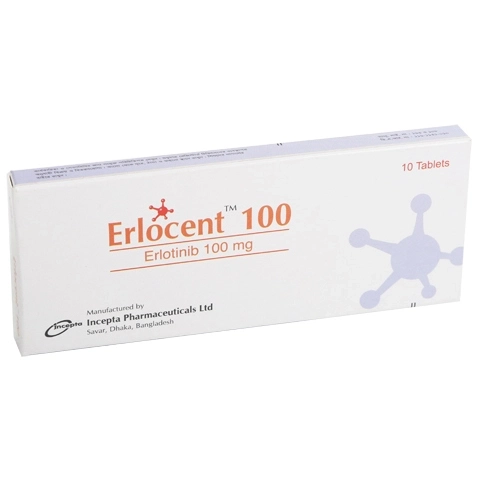
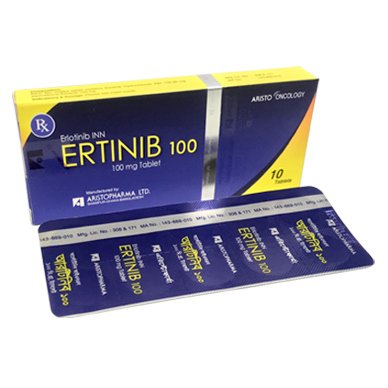
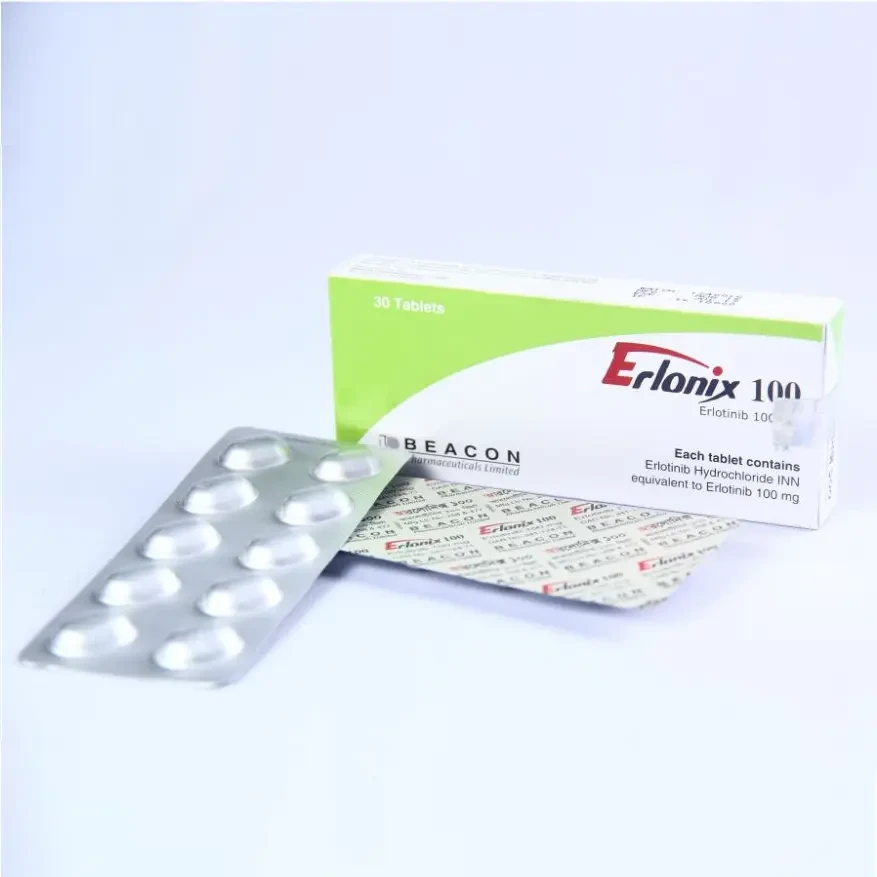
Tarceva is used in the treatment of non-small cell lung cancer and pancreatic cancer. Tarceva should be taken on an empty stomach or should be taken one hour before or 2 hour after meal. You should continue to take it as long as your doctor advises it. The duration of treatment varies according to your needs and response to treatment. You should take it exactly as your doctor has advised. Taking it in the wrong way or taking too much can cause very serious side effects. It may take several weeks or months for you to see or feel the benefits but do not stop taking it unless your doctor tells you to. The most common side effects of this medicine include nausea, vomiting, fatigue, rash, and weight loss. It may cause severe diarrhea, drink plenty of fluids or consult with your doctor if it bothers you. It makes you sensitive towards sunlight, hence wear protective clothing or use sunscreen while going out. In case you develop ulceration in mouth, changes in your vision, or breathing difficulties than it is better to inform the doctor. Your doctor may advise for regular monitoring of liver function while you are taking this medicine. Many other medicines can affect, or be affected by, this medicine so let your healthcare team know all medications you are using. This medicine is not recommended during pregnancy or while breastfeeding. The use of effective contraception by both males and females during treatment is important to avoid pregnancy. It is advised to quit smoking while taking this medicine as it can affect the working of the medicine. If you have to take an antacid or any other medicine, take it at a gap of at least 2 hours after taking the cancer medicine.
_
Uses of Tarceva
Non-small cell lung cancer
Pancreatic cancer
Side effects of Tarceva
Common
Abdominal pain
Bone pain
Breathlessness
Constipation
Cough
Diarrhea
Fatigue
Fever
Infection
Muscle pain
Nausea
Rash
Stomatitis (Inflammation of the mouth)
Vomiting
Weight loss
How to use Tarceva
Take this medicine in the dose and duration as advised by your doctor. Swallow it as a whole. Do not chew, crush or break it. Tarceva is to be taken empty stomach.
How Tarceva works
Tarceva is an anti-cancer medication. Epidermal growth factor receptors (EGFR) are expressed on the lung cancer cell surfaces that modulate their growth. This medicine works by binding the chemical messenger, EGFR, hence, inhibits the cancer signaling pathways mediated by EGFR. This is how it restricts further growth of the cancer cells.
What if you forget to take Tarceva?
If you miss a dose of Tarceva, skip it and continue with your normal schedule. Do not double the dose.
Quick Tips
Tarceva helps treat non-small cell lung cancer that is locally advanced, or has spread to other areas of the body.
It should be taken 1 hour before or 2 hours after the meal.
Diarrhea may occur as a side effect. Drink plenty of fluids and inform your doctor if it doesn’t stop or if you find blood in your stools.
Use a reliable contraceptive method to prevent pregnancy while you are taking this medicine and for a month after you stop taking it.
It makes your skin sensitive towards sunlight. Apply sunscreen or wear protective clothing while going out.
It is advisable to avoid smoking while taking this medicine, as it makes the drug ineffective and requires dose adjustment.
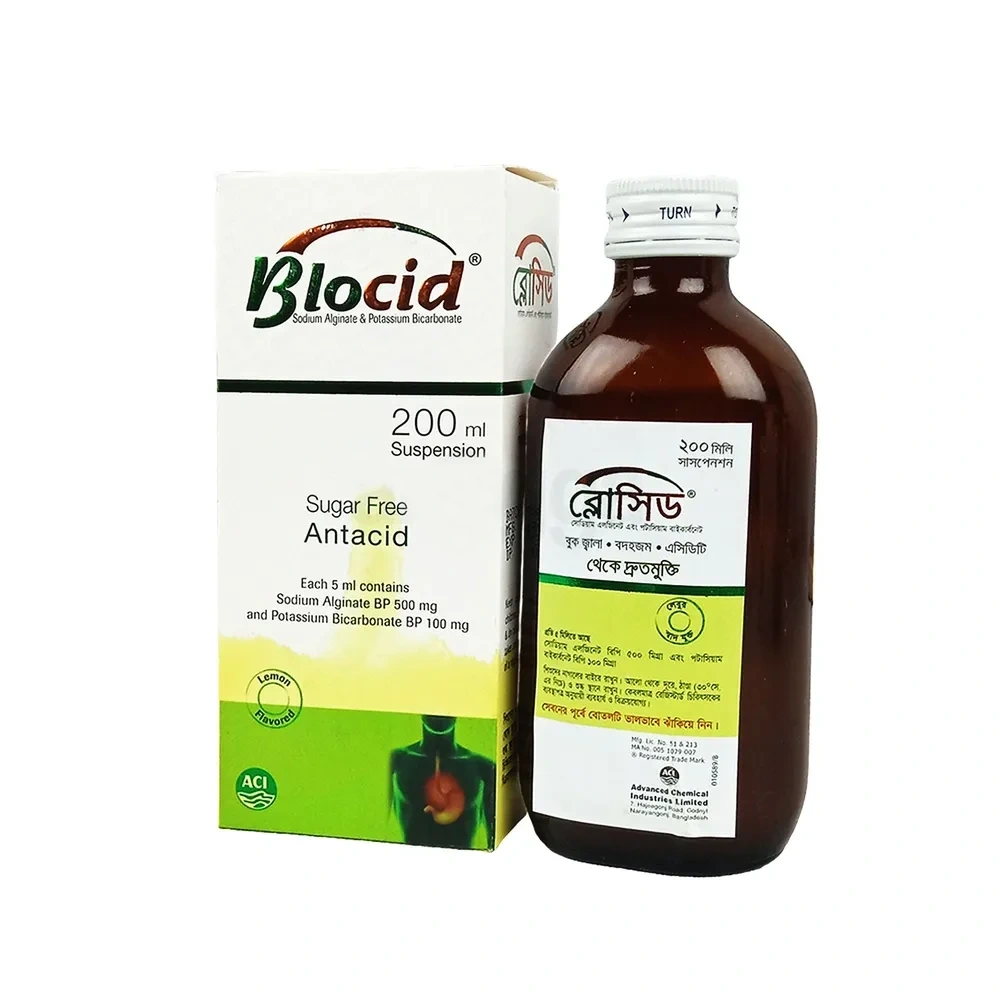
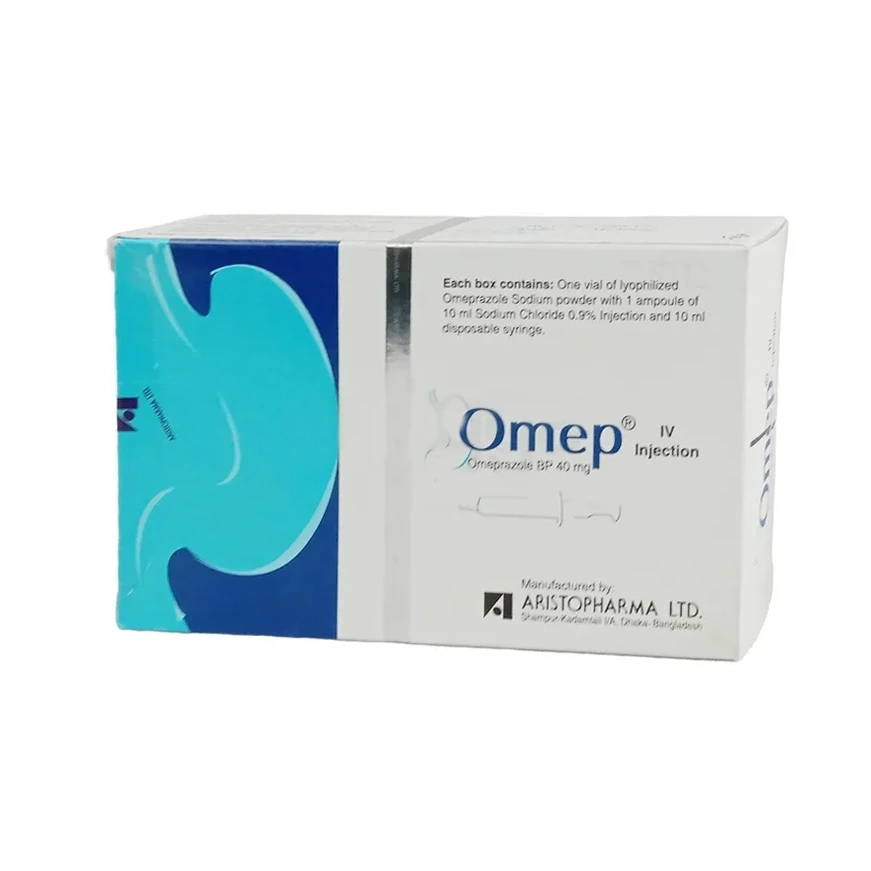
Do not take it with medication lowering the stomach acid (such as antacids, H2 blockers including ranitidine), as it may affect the working of medicine.
Inform your doctor if you develop ulceration in your mouth, changes in your vision or if you experience a worsening cough, shortness of breath, or breathing difficulties while taking this medicine.
Your doctor may want you to have regular blood tests to monitor your liver function while you are having treatment with this medicine.
Do not take this medicine if you are pregnant, planning to conceive or breastfeeding.
Brief Description
Indication
Small cell lung cancer, Pancreatic cancer
Administration
Should be taken on an empty stomach. Take on an empty stomach at least 1 hr before or 2 hr after meals.
Adult Dose
Oral Locally advanced or metastatic non-small cell lung carcinoma Adult: 150 mg once daily until disease progression or unacceptable toxicity. Reduce dose in decrements of 50 mg when necessary. Locally advanced, unresectable or metastatic pancreatic cancer Adult: As 1st-line treatment with gemcitabine: 100 mg once daily, reduce dose in decrements of 50 mg when necessary.
_
Child Dose
Safety and efficacy not established
_
Contraindication
Hypersensitivity.
Mode of Action
Erlotinib is an epidermal growth factor receptor/human epidermal growth factor receptor type 1 (EGFR/HER1) tyrosine kinase inhibitor. It reversibly inhibits the kinase activity of EGFR, preventing autophosphorylation of tyrosine residues associated w/ the receptor, thereby inhibiting further downstream signaling and resulting in cell death.
Precaution
Pregnancy and lactation. Interrupt Erlotinib therapy if patient develops unexplained pulmonary symptoms e.g. dyspnoea, cough, fever; discontinue therapy if interstitial lung disease is diagnosed. Monitor liver functions periodically; extreme caution is needed if total bilirubin is 3x >ULN; close monitoring is required in patients with hepatic impairment. Interrupt/discontinue therapy if severe changes in liver functions (doubling of total bilirubin and/or tripling of transaminases) occur. Interrupt therapy in the event of dehydration especially in patients with predisposing factors to renal failure. Monitor renal function and serum electrolytes in patients at risk of dehydration. Interrupt or discontinue therapy if patient develops severe bullous and exfoliative skin disorders; eye pain or other acute/worsening ocular disorders. If patient develops GI perforation, discontinue therapy permanently. Patients with CV disorders. Monitor prothrombin time/INR in patients taking warfarin or other coumarin-derivative anticoagulants. Lactation: excretion in milk unknown/not recommended
_
Side Effect
>10% Rash (75-76%),Anorexia (52-69%),Diarrhea (54-55%),Fatigue (52-79%),Nausea (33-40%),Infection (39%),Vomiting (23-25%),Dyspnea (24%),Stomatitis (17-19%),Cough (16%),Pruritus (13%),Conjunctivitis (12%),Dry skin (12%),Keratoconjunctivitis sicca (12%),Abdominal pain (11%) 1-10% Elevated LFT’s (grade 2),Acne,Paronychia,Weight loss,Pneumonitis pulmonary infiltrate,Pulmonary fibrosis <1% Interstitial lung disease-like events
_
Pregnancy Category Note
Pregnancy Based on animal data and its mechanism of action, erlotinib can cause fetal harm when administered to a pregnant woman Advise females of reproductive potential to use effective contraception during treatment and for 1 month after the last dose Lactation No data exist on the presence of erlotinib in human milk, or the effects of erlotinib on the breastfed infant or on milk production Because of the potential for serious adverse reactions in breastfed infants, including interstitial lung disease, hepatotoxicity, bullous and exfoliative skin disorders, microangiopathic hemolytic anemia, with thrombocytopenia, ocular disorders, and diarrhea Advise a lactating woman not to breastfeed during treatment and for 2 weeks after the final dose
_
Interaction
Increased serum levels w/ potent CYP3A4 inhibitors (e.g. ketoconazole, clarithromycin, atazanavir). CYP3A4 inducers (e.g. rifampicin, carbamazepine, phenytoin, phenobarbital) may reduce exposure of erlotinib. Increased serum levels w/ potent inhibitors of CYP1A2 (e.g. ciprofloxacin) or capecitabine. Use w/ P-glycoprotein inhibitors (e.g. ciclosporin, verapamil) may cause altered distribution or elimination of erlotinib. Drugs that increase the pH of the GI tract (e.g. antacids, H2-receptor antagonists, or PPIs) may reduce the solubility of erlotinib thus lowering its bioavailability. Concomitant use w/ warfarin or other coumarin derivates may increase INR and bleeding events.


Reviews
Clear filtersThere are no reviews yet.