


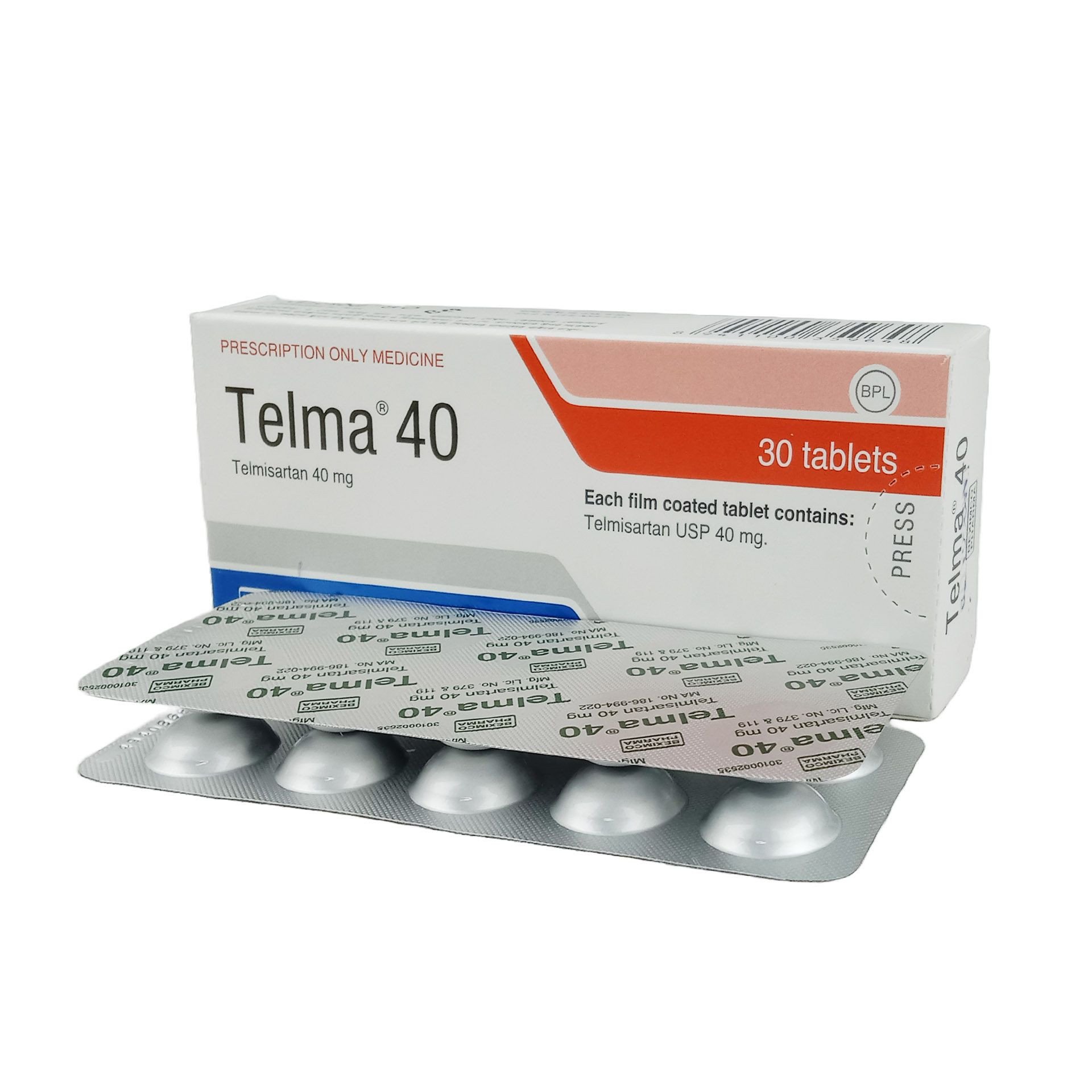

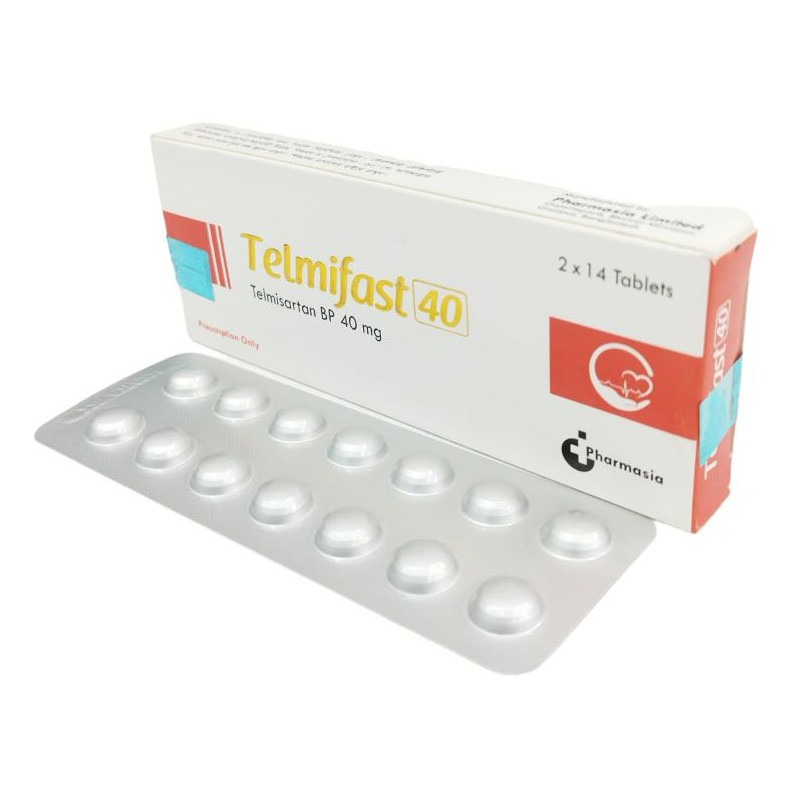
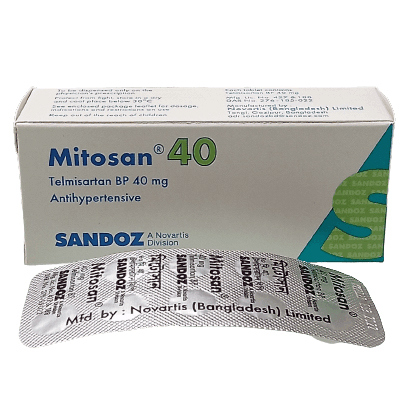
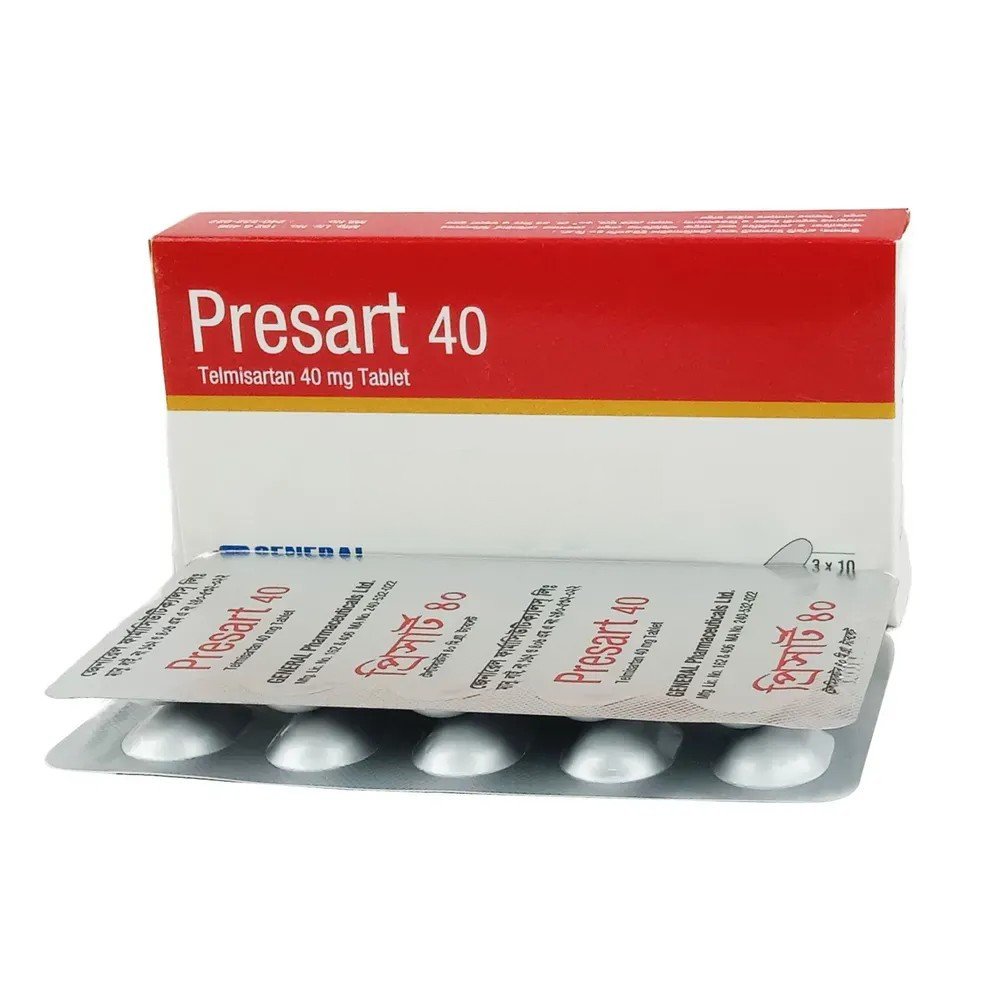
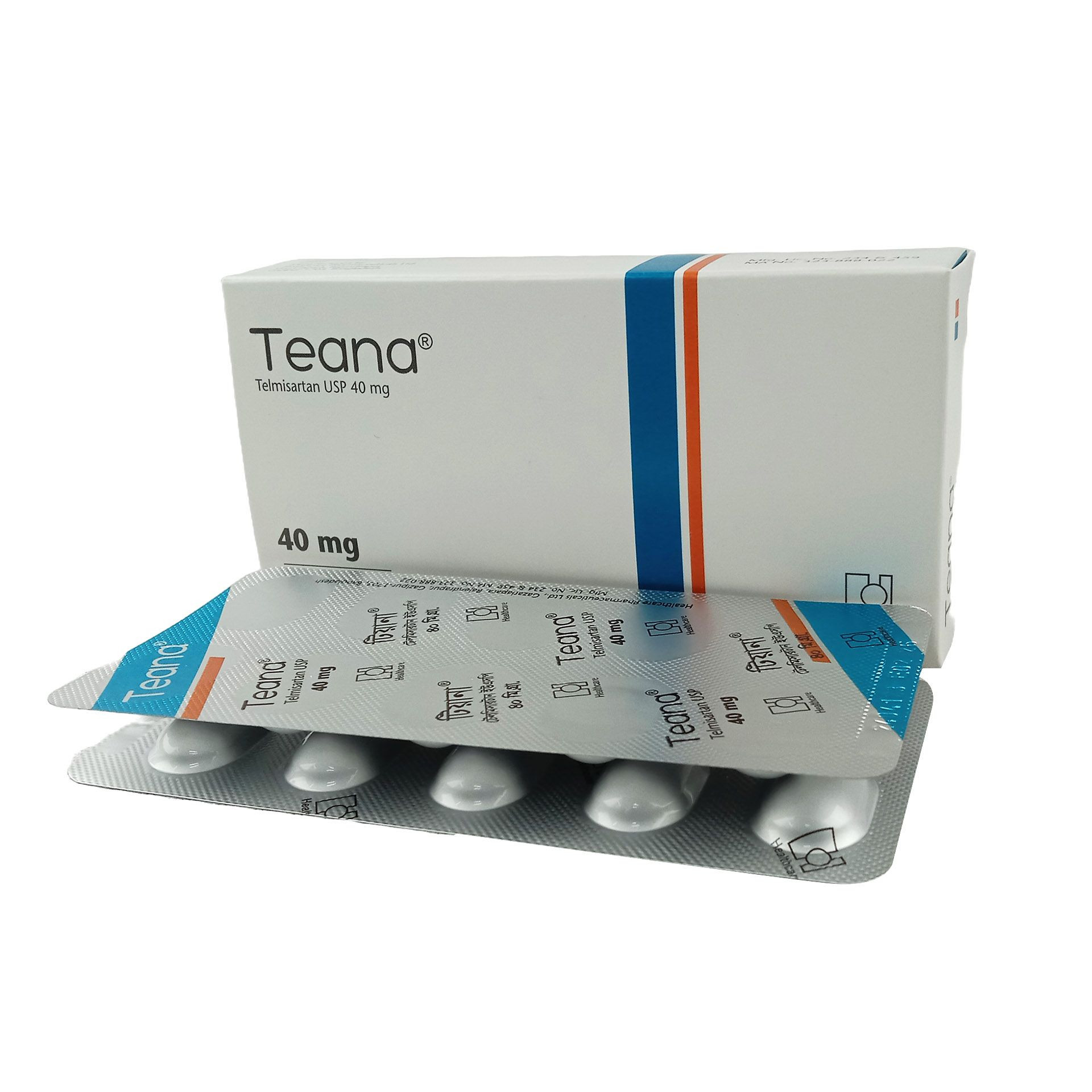
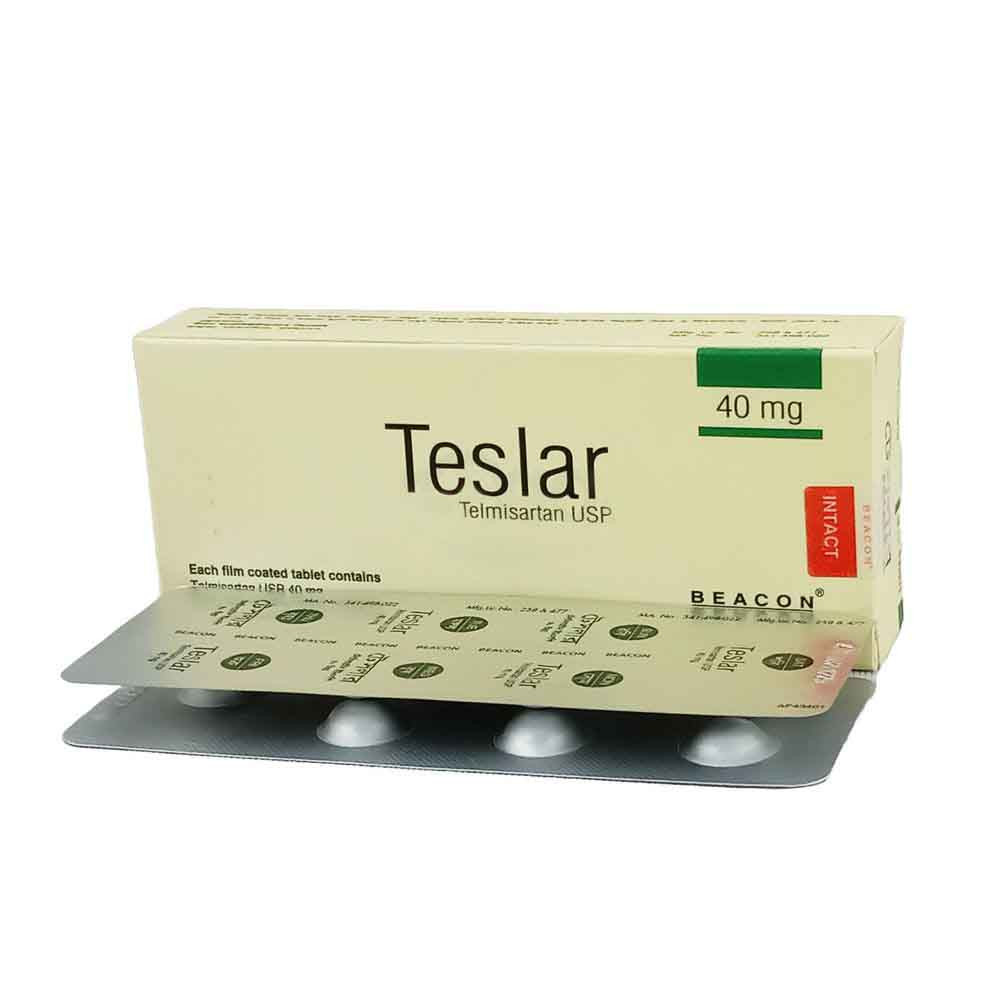
Medicine Overview of Telma 40mg Tablet
Telma 40 is a medicine used to treat high blood pressure and heart disease. Lowering blood pressure helps to prevent future heart attack and stroke. This medicine is also effective in preserving kidney function in patients with diabetes.
Telma 40 can be prescribed either alone or in combination with other medicines. It may be taken with or without food during the day or at night. However, try to take it at the same time each day to get the most benefit. It is important to continue taking it regularly even if you feel well or if your blood pressure is controlled. Most people with high blood pressure do not feel ill, but if you stop taking this medicine, your condition could get worse. This is a widely used medicine and is considered safe for long-term use.
Making some changes in your lifestyle will also help lower your blood pressure. These may include regular exercise, losing weight, smoking cessation, reducing alcohol intake, and reducing the amount of salt in your diet as advised by your doctor. This medicine is tolerated well by most patients and has few side effects. Dizziness, particularly after the first dose, is known to occur in some people. This may be associated with headache. Let your doctor know if these side effects bother you or do not go away. No weight gain has been seen with the regular use of this medicine.
Before taking this medicine, let your doctor know if you have any kidney or liver problems. Pregnant or breastfeeding mothers should also consult their doctor before taking it. Your doctor may check your kidney function, blood pressure and potassium levels in your blood at regular intervals while you are taking this medicine.
- Hypertension (high blood pressure)
- Prevention of heart attack and stroke
- Heart failure
- Back pain
- Diarrhea
- Nasal congestion (stuffy nose)
- Sinus pain
-
Take it at the same time every day to help you remember to take it.
-
It can make you feel dizzy for the first few days. Rise slowly if you have been sitting or lying down for a long time.
-
Your doctor may get regular test done to monitor the level of urea, creatinine, and potassium in your blood.
-
Avoid taking anti-inflammatory medicines such as ibuprofen, along with Telma 40 without consulting your doctor.
-
It may increase the level of potassium in blood. Avoid taking potassium supplements and potassium-rich foods such as bananas, coconut water and broccoli.
Oral
Hypertension
Adult: Dosage must be individualized.
The usual starting dose of Telmisartan tablets is 40 mg once a day.
Blood pressure response is dose-related over the range of 20 to 80 mg.
Most of the anti hypertensive effect is apparent within 2 weeks and maximal reduction is generally attained after 4 weeks.
When additional blood pressure reduction beyond that achieved with 80 mg Telmisartans is required, may switch to combination, a diuretic may be added.
Telmisartan tablets may be administered with other antihypertensive agents.
Initial therapy with Telmisartan is not recommended in patients >75 years old or with hepatic impairment
Elderly: No initial dosage adjustment is necessary for elderly patients.
Cardiovascular risk reduction
Adult:The recommended dose of telmisartan tablets is 80 mg once a day.
It is not known whether doses lower than 80 mg of telmisartan are effective in reducing the risk of cardiovascular morbidity and mortality.
When initiating telmisartan therapy for cardiovascular risk reduction, monitoring of blood pressure is recommended, and if appropriate, adjustment of medications that lower blood pressure may be necessary.
Hepatic impairment: Initial therapy with telmisartan is not recommended in patients ?75 years old or with hepatic impairment.
<18 years old: Safety and efficacy not established
Renal impairment:
No initial dosage adjustment is required for patients with mild to moderate renal impairment. Titrate slowly in patients with severe renal impairment.
Patients on dialysis may develop orthostatic hypotension; their blood pressure should be closely monitored.
Severe hepatic impairment, biliary obstructive disorders. Pregnancy. Lactation.
Avoid fetal or neonatal exposure, Hypotension, Monitor carefully in patients with impaired hepatic or renal function, Avoid concomitant use of an ACE inhibitor and angiotensin receptor blocker.
Hepatic insufficiency, biliary obstruction, renal impairment, renaly artery stenosis. Correct volume depletion before initiating treatment. Monitor serum potassium levels regularly, especially in elderly and renally-impaired patients.
1-10%
Upper respiratory tract infection (URTI) (7%),Back pain (3%),Diarrhea (3%),Myalgia (3%),Sinusitis (3%),Chest pain (1%),Hypertension (1%),Headache (1%),Dizziness (1%),Pharyngitis (1%)
<1%
Abnormal ECG,Anemia,Angina,Angioedema,Bradycardia,Eczema,Epistaxis,Gout,Hypercholesterolemia,Hyperkalemia,Hypoglycemia,Otitis media
Potentially Fatal: Rarely angioedema, rash, pruritus and urticaria.
May increase plasma levels of digoxin. May increase serum lithium levels and toxicity. May reduce plasma levels of warfarin. Increased risk of hyperkalaemia w/ K-sparing diuretics, K supplements or K-containing salt substitutes. May antagonise hypotensive effect and increase risk of renal impairment w/ NSAIDs.
Potentially Fatal: May increase nephrotoxic, hyperkalaemic and hypotensive effect w/ aliskiren in patients w/ diabetes and renal impairment (GFR <60 mL/min).






Reviews
Clear filtersThere are no reviews yet.