


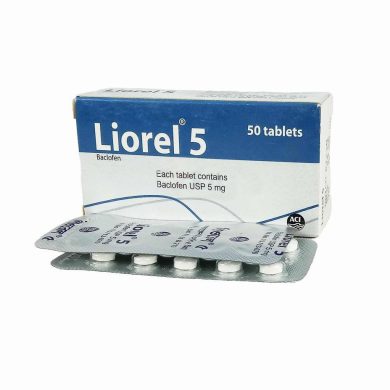


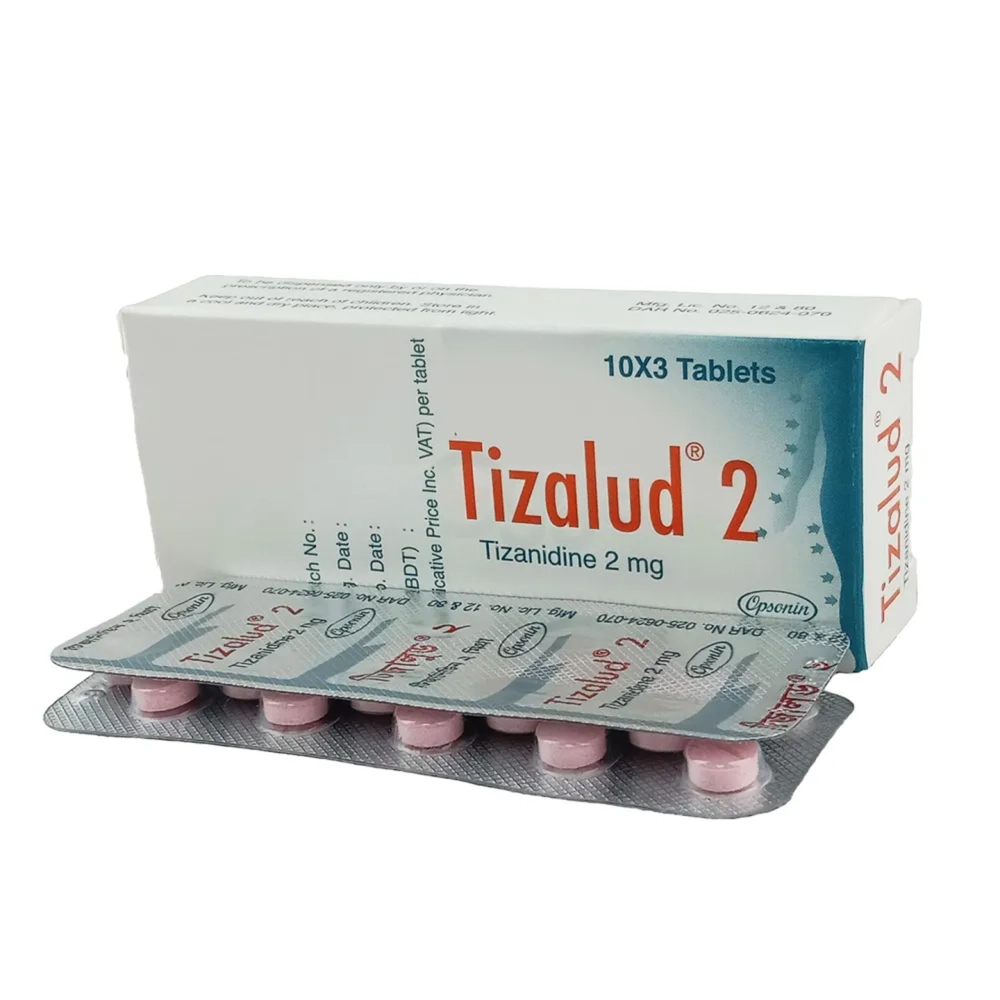
Medicine Overview of Tizadin 2mg Tablet
Tizadin is a muscle relaxer. It provides relief from the discomfort associated with acute, painful musculoskeletal conditions such as rigidity, tension, stiffness, and muscle spasms.
Tizadin can be taken with or without food. Generally, you should try to use the smallest amount necessary to control your symptoms, for the shortest possible time. You should take this medicine regularly while you need it. Try not to miss doses as this will make the medicine less effective.
Some common side effects of this medicine include dry mouth, sleepiness, diarrhea, tiredness, and dizziness. If any of these side effects do not go away or get worse, you should let your doctor know. Your doctor may be able to suggest ways of preventing or reducing the symptoms.
To make sure it is safe for you, before taking this medicine, let your doctor know if you have any medical conditions or disorders. You should also tell your doctor all the other medicines you are using or taking. Pregnant and breastfeeding women should consult their doctors before using this medicine.
Show less
- Muscle relaxation
- Dizziness
- Sleepiness
- Dryness in mouth
- Upset stomach
-
Tizadin provides relief from rigidity, tension and stiffness in muscles (spasticity) that may occur due to various conditions affecting the nervous system.
-
Tizadin may cause dizziness or sleepiness. Do not drive or do anything requiring concentration until you know how it affects you.
-
Avoid consuming alcohol when taking Tizadin as it may cause excessive drowsiness.
-
Inform your doctor if you are pregnant, planning to conceive or breastfeeding.
-
Do not stop taking it suddenly without talking to your doctor if you’ve been on it for a long time.
Oral
Muscle Spasticity
Spasticity associated with multiple sclerosis and spinal cord injury
Initial: 2 mg q6-8hr; no more than 3 doses q24hr
Maintenance: Increase by 2 to 4 mg until satisfactory response is achieved with minimum 1-4 days between dose increments
Not to exceed 36 mg/day
Painful muscle spasm associated with musculoskeletal conditions
Adult: 2-4 mg tid.
Elderly: Not recommended.
Hepatic impairment: Avoid or use with extreme caution.
Show less
Child < 18 years: Not recommended
Show less
Renal impairment:
CrCl (ml/min) Dosage Recommendation
<25 Initially, 2 mg once daily, gradually increasing the dose before increasing the frequency of admin.
Show less
Hepatic or renal insufficiency. Children, elderly, pregnancy and lactation. Monitor LFT regularly. Stop treatment if liver enzymes are raised persistently >3 times upper limit of normal range. Avoid abrupt withdrawal of therapy.
Lactation: May be excreted in breast milk due to lipophilic nature; use caution
Show less
>10%
Dry mouth (46-50%),Somnolence (46-50%),Dizziness (16-20%),Asthenia (10-45%)
1-10%
Blurred vision (3%),Constipation (4%),Infection (6%),LFT abnormalities (3-5%),Speech disorder (3%),Vomiting (3%),Urinary frequency (3%),UTI (10%)
Frequency Not Defined
Asthenia,Bradycardia,Hypotension,Orthostatic hypotension,Syncope (rare)
Potentially Fatal: Hepatitis.
Show less




Reviews
Clear filtersThere are no reviews yet.