


Introduction
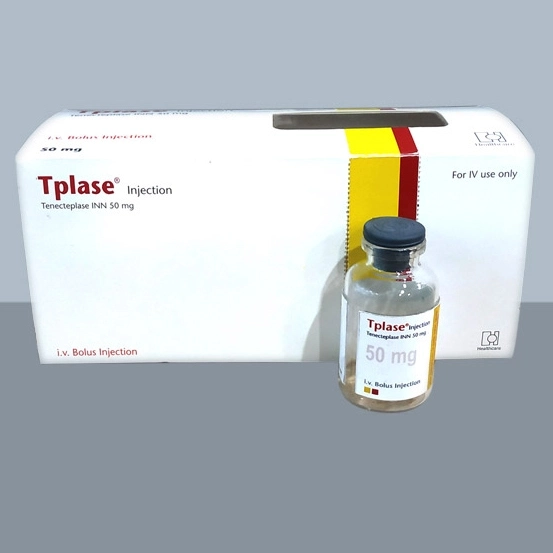
Tplase 50 belongs to a group of medicines called thrombolytic agents. It is used in the emergency treatment of heart attack. It helps to dissolve blood clots that have formed in the blood vessels of the heart. Tplase 50 is an injectable drug, given directly into a vein and it is given by a doctor as soon as possible after the first signs of a heart attack. Your breathing, blood pressure, oxygen levels, and other vital signs will be watched closely. You may be given another medicine to stop blood clotting at the same time or after the treatment. This medicine may increase your risk of bleeding, so its better to be careful while shaving, cutting nails, or using sharp objects. Treatment with this drug can also cause nausea, vomiting, decreased blood pressure, and injection site bleeding. This drug needs to be administered with care by an expert and is not suitable for everyone. There is a long list of situations where you will not be given Tplase 50 including if you’ve had a head injury, or surgery on your brain or spinal cord and any current bleeding anywhere in your body. Your healthcare team will need to know a lot about your medical history before giving you this medicine.
_
Uses of Tplase 50
Heart attack
Side effects of Tplase 50
Common
Injection site bleeding
Nosebleeds
Blood in stool
Blood in urine
Gastrointestinal bleeding
How to use Tplase 50
Your doctor or nurse will give you this medicine. Kindly do not self administer.
How Tplase 50 works
Tplase 50 is a thrombolytic medication. It works by dissolving the harmful blood clots in the blood vessels. This restores the blood flow to the affected tissue, thereby preventing tissue death and improving outcomes.
Quick Tips
Tplase 50 is used to treat myocardial infarctions (heart attacks) as soon as possible (usually within 12 hours) after the onset of symptoms.
It is given as an injection into the vein under the supervision of a doctor.
It may increase your risk of bleeding. Inform your doctor immediately if you notice bleeding at the injection site, nose bleed, and blood in urine.
Continue with your diet and exercise along with previously prescribed medications for heart attack.
Brief Description
Indication
Acute myocardial infarction
Administration
IV Preparation Add 10 mL SWI to a 50 mg vial using TwinPak® device directing stream of diluent into powder. If foaming (usually slight) occurs, leave vial undisturbed for several minutes to allow dissipation of any large bubbles. Gently swirl (do not shake) until contents are completely dissolved.
_
Adult Dose
Intravenous Acute myocardial infarction Adult: 30-50 mg as a single bolus dose over 5-10 sec as soon as possible after the onset of symptoms. The dose is based on body weight. Max: 50mg. Administer ASAP (within 30 minutes) after onset of acute MI 30-50 mg IV bolus over 5 sec once (based on weight) <60 kg: 30 mg 60-70 kg: 35 mg 70-80 kg: 40 mg 80-90 kg: 45 mg >90 kg: 50 mg
_
Contraindication
Patients at risk of cerebral bleeding including severe hypertension, history of stroke, intracranial or intraspinal surgery or trauma within 2 mth, arteriovenous malformation or aneurysm, cerebral neoplasm. Haemorrhage or known bleeding diathesis.
Mode of Action
Tenecteplase is a biosynthetic form of the enzyme human tissue-type plasminogen activator (t-PA). It is a fibrin-specific thrombolytic, converts plasminogen to plasmin, a proteolytic enzyme that has fibrinolytic effects.
Precaution
Patients with increased risk of bleeding. Recent history of GI or genitourinary bleed, recent major surgery, previous puncture of noncompressible vessels, hypertension (>180/110 mm Hg), high risk of left heart thrombus, acute pericarditis, subacute bacterial endocarditis, coagulation defects, invasive procedures, haemorrhagic ophthalmic conditions. Elderly, pregnancy and lactation. Severe hepatic impairment. Lactation: not known whether drug crosses into breast milk, nursing not a priority in AMI
_
Side Effect
>10% Minor bleeding (22%) Frequency Not Defined Reperfusion arrhythmias MI Fever Nausea Vomiting Cholesterol embolization Allergic reaction
_
Interaction
Increased risk of haemorrhage with heparin, oral anticoagulants, antiplatelet drugs and other drugs that can affect platelet function.

Reviews
Clear filtersThere are no reviews yet.