


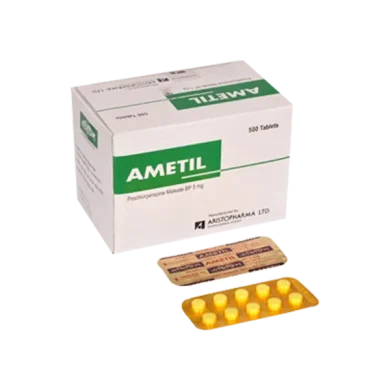


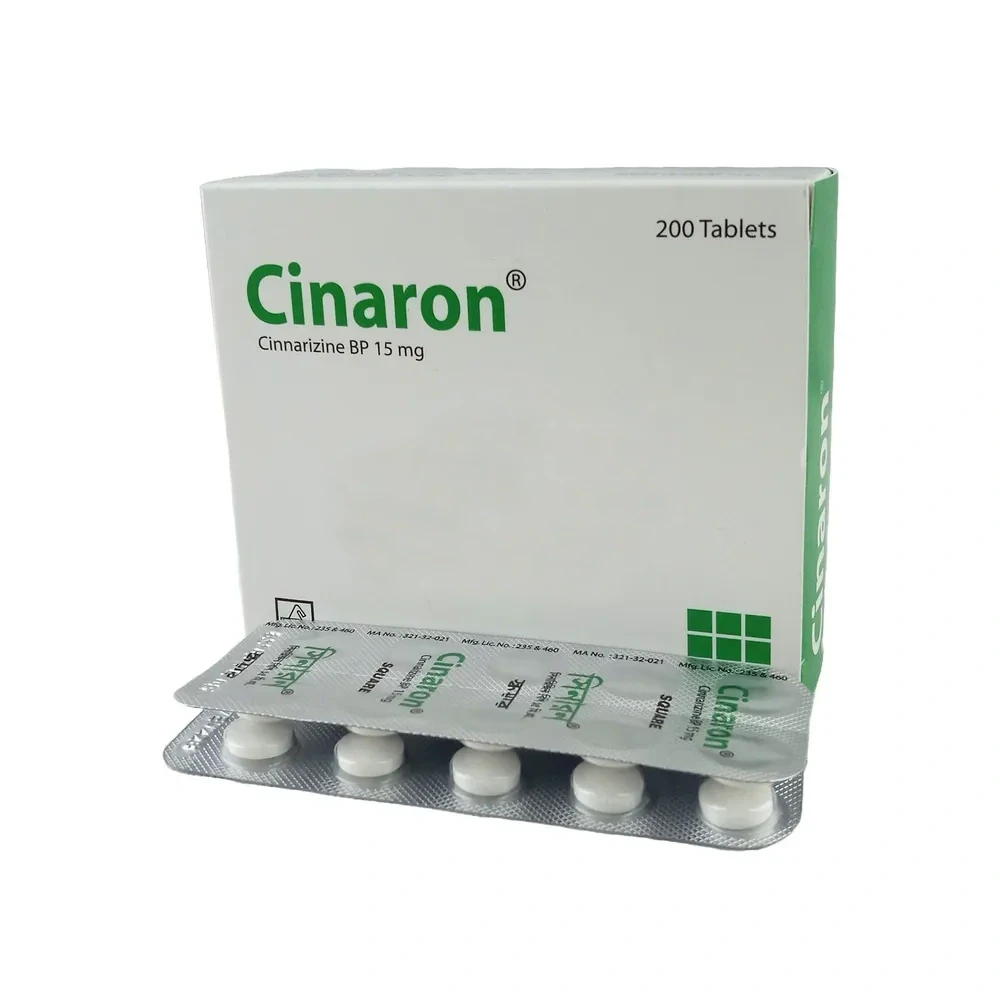
Medicine Overview of Zincin 15mg Tablet
Introduction
Zincin belongs to a class of medicines known as antihistamines. It is a prescription medicine used to treat motion sickness (nausea due to motion, especially while traveling in a moving vehicle), vertigo (spinning sensation or dizziness), or Meniere’s disease (problems with balance). Zincin should be taken with food to avoid stomach upset. Take this medicine as advised by your doctor, preferably at the same time each day. If you have missed a dose, take it as soon as you remember. Do not skip any doses and finish the full course of treatment and never stop this medicine suddenly without talking
Uses of Zincin
- Motion sickness
- Vertigo
- Meniere's disease
Side effects of Zincin
Common
- Sleepiness
- Nausea
- Weight gain
- Indigestion
How to use Zincin
Take this medicine in the dose and duration as advised by your doctor. Swallow it as a whole. Do not chew, crush or break it. Zincin is to be taken with food.
How Zincin works
Zincin works by preventing constriction of the blood vessels of the inner ear. This improves the microcirculation of the ear.
Quick Tips
-
Zincin helps relieve nausea, vomiting, and dizziness associated with Meniere’s disease and other middle ear disorders.
-
Take it with food to avoid stomach upset.
-
It may cause dizziness and sleepiness. Don’t drive or do anything that requires mental focus until you know how Zincin affects you.
-
Do not drink alcohol while taking this medicine as it may cause increased sleepiness.
-
Stop taking medicine if you experience yellowing of the skin, tiredness, fever, nausea, weakness, red, lumpy, and itchy rash.
-
Inform your doctor if you are pregnant, planning to conceive or breastfeeding.
-
Take caution while taking this medicine if you are suffering from Parkinson’s disease as it may worsen the condition.
-
Inform your doctor if you are taking antidepressant or painkiller medicine as it may increase the drowsiness effect of Zincin.
-
Inform your doctor if you notice vomiting, upset stomach, muscle weakness or lose consciousness.
-
Do not stop taking Zincin without talking to your doctor first.
Brief Description
Indication
Nausea and vomiting, motion sickness, vertigo, meniere’s disease, peripheral vascular diseases, cerebrovascular disorders, vestibular disorders
Administration
Should be taken with food.
Adult Dose
Oral
Peripheral vascular disease
Adult: 75 mg bid or tid.
Peripheral vascular disease
Adult: 75 mg bid or tid.
Motion sickness
Adult: 30 mg 2 hr before travel then 15 mg 8 hrly during the journey if necessary.
Cerebrovascular disorders
Adult: 75 mg once daily.
Vertigo and vestibular disorders
Adult: 30 mg tid or 75 mg 1-2 times daily.
Child Dose
Oral
Motion sickness
Child: 5-12 yr 15 mg 2 hr before travel then 7.5 mg 8 hrly during the journey as necessary.
Motion sickness
Child: 5-12 yr 15 mg 2 hr before travel then 7.5 mg 8 hrly during the journey as necessary.
Vertigo and vestibular disorders
Child: 5-12 yr 15 mg tid.
Contraindication
Proven hypersensitivity to the drug. Parkinson’s disease. Childn and neonates.
Mode of Action
Cinnarizine has calcium-channel blocking activity selective for arterial smooth muscle. It also has some antihistamine activity. Cinnarizine acts as a labyrinthine sedative. It also improves microcirculation by reducing ischaemia-induced blood viscosity.
Precaution
Hypotension; pregnancy; lactation; elderly. May impair ability to drive or operate machineries.
Side Effect
Extrapyramidal symptoms sometimes associated with severe depression. Drowsiness, headache, GI upsets, unsteadiness, headache; rarely skin and hypersensitivity reactions, dry mouth, blurred vision, urinary difficulty or retention, constipation and increased gastric reflux, fatigue. Hypolipidaemic effect.
Interaction
CNS depressant effect enhanced with alcohol. Action potentiated by domperidone. Increased sedative effect w/ CNS depressants or TCAs.






Reviews
Clear filtersThere are no reviews yet.