



Introduction
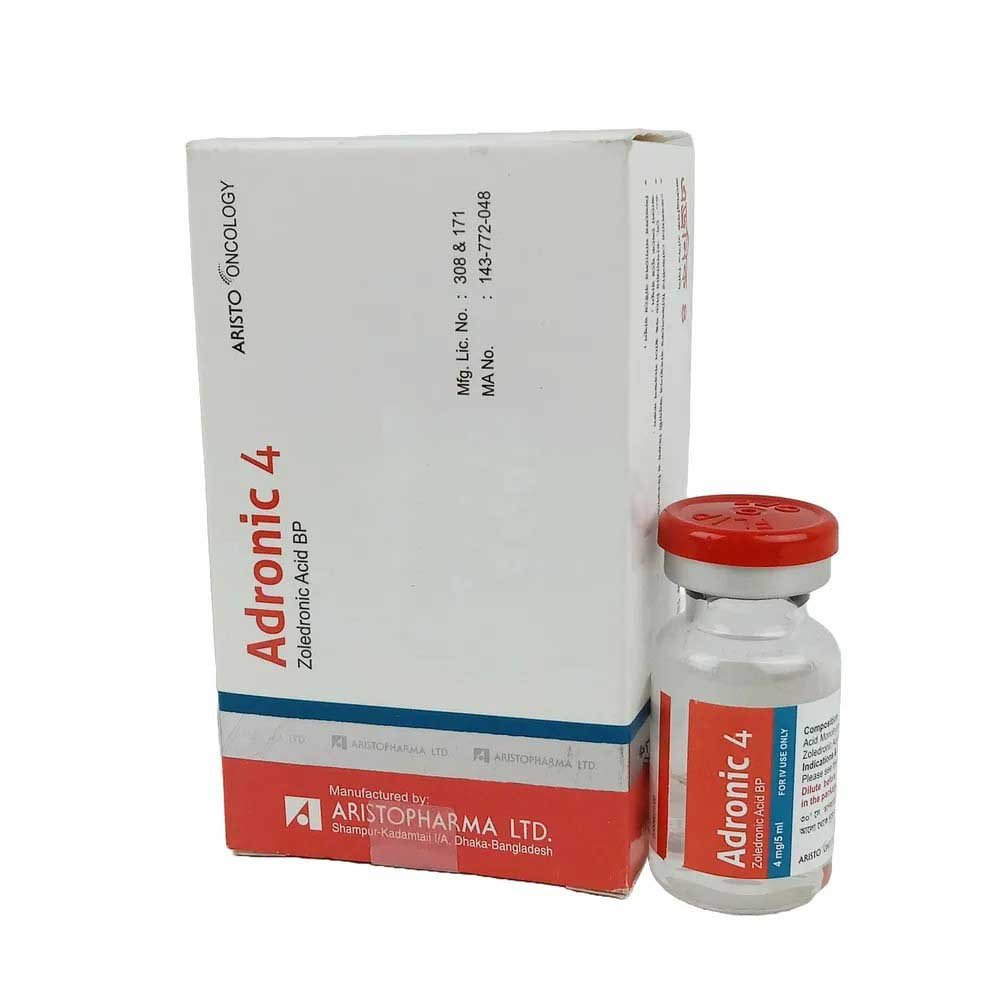
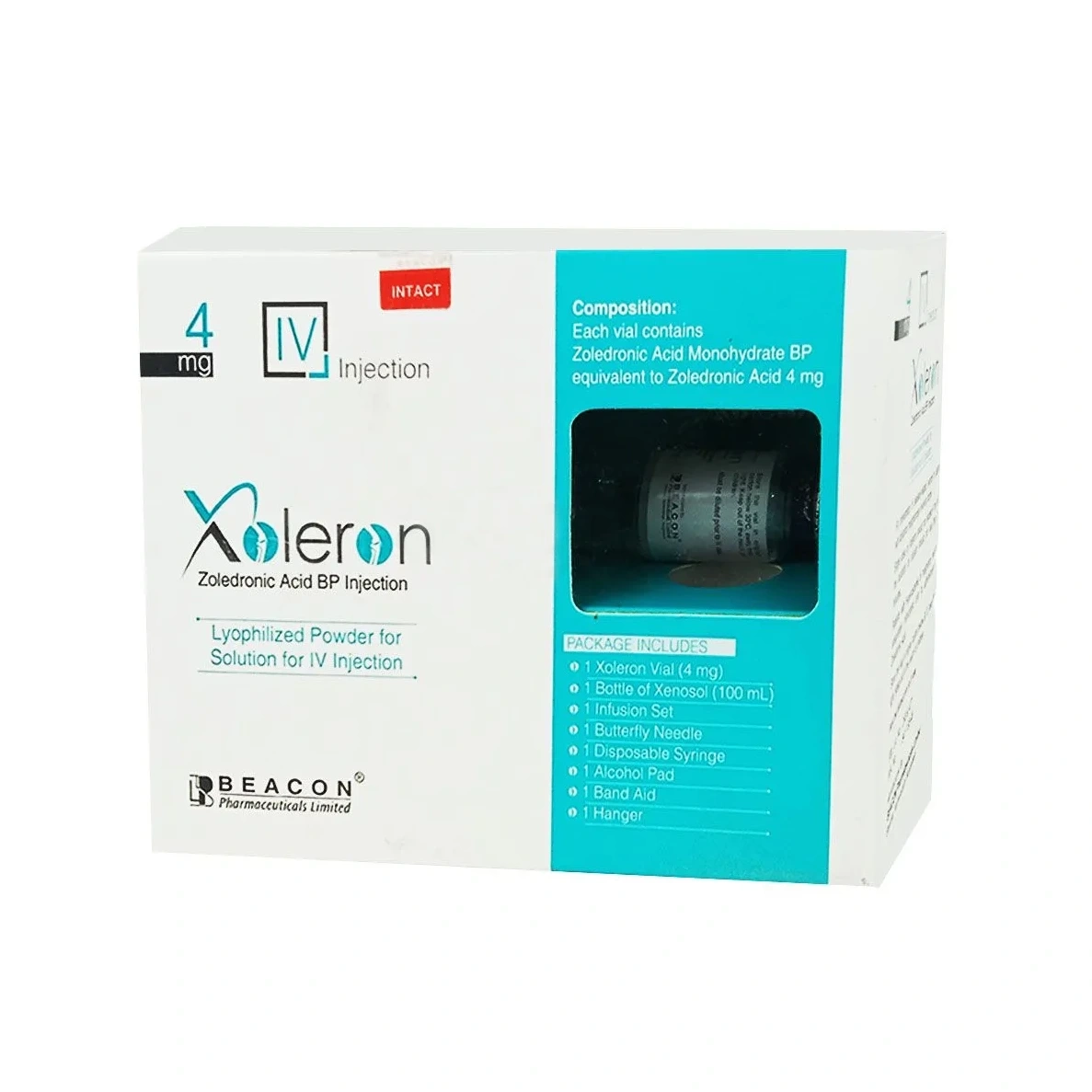
Zoclast is used to treat or prevent weakening of the bones (osteoporosis) caused by menopause or use of steroids. Using this medicine can reduce your risk of breaking bones. It is also used to treat high levels of calcium in people who have cancer. Zoclast is given by a doctor or nurse. How much you are given, and how often, will be decided by your doctor. It may just be a single injection or you may need regular injections depending upon your underlying condition. Your doctor will ask you to drink plenty of water before the injection, to avoid getting dehydrated. It may take several days to get the full benefit of this drug. Zoclast is only part of a treatment program that may also include changes to your diet and taking calcium and vitamin supplements. The most common side effects include headache, flu-like symptoms, muscle pain and nausea. These are usually mild and will disappear after a short time. If they do not go away, tell your doctor. Zoclast can cause serious kidney problems, especially if you are dehydrated, if you take diuretic medicine (water pills) or if you already have kidney disease. It can also cause low levels of calcium in the blood and pain in the mouth or jaw. These are serious side effects and need urgent medical attention. Tell your doctor straight away if you notice any of these. You should not be given this medicine if you are pregnant or breastfeeding. Before taking it, tell your doctor if you have kidney problems or low calcium levels. Also let your doctor know what other medicines you are taking. Some of them may affect, or be affected by, this injection, especially medicines used to treat severe infections and medicines used to treat cancer and osteoporosis. You may need frequent medical tests to check your kidney function and calcium levels. Avoid smoking as it can reduce your bone mineral density, making fractures more likely. Drinking large amounts of alcohol can also cause bone loss and should be avoided.
_
Uses of Zoclast
Osteoporosis
Hypercalcemia
Side effects of Zoclast
Common
Headache
Back pain
Musculoskeletal (bone, muscle or joint) pain
Heartburn
Diarrhea
How to use Zoclast
Your doctor or nurse will give you this medicine. Kindly do not self administer.
How Zoclast works
Zoclast is a bisphosphonate. It works by suppressing the activity of osteoclasts, cells that cause destruction of bone. This strengthens the bones and minimizes the risk of fractures.
What if you forget to take Zoclast?
If you miss a dose of Zoclast. Please consult your doctor.
Quick Tips
You have been prescribed Zoclast for the treatment of osteoporosis.
It may also be used to treat high blood calcium levels (hypercalcemia) or bone damage and pain that may occur with cancer.
It is given by injection into a vein, usually over at least 15 minutes or as directed by your doctor.
Drink plenty of fluids to prevent dehydration and kidney damage.
It can lower the level of calcium in the blood. Take calcium and vitamin D supplements as suggested by your doctor.
You may develop fever or flu like symptoms, such as chills, tiredness and weakness. These are usually temporary and should go away after a few days. You may take a pain reliever/fever reducer to prevent or treat these symptoms.
Zoclast may cause a rare condition called osteonecrosis of the jaw. Have regular dental check-ups and inform your doctor if you develop sudden pain in your jaw.
Your doctor will monitor your response to Zoclast by testing your bone mineral density (BMD). This is usually done every 1-3 years.
Do not take Zoclast if you are pregnant or breastfeeding.
Brief Description
Indication
Hypercalcaemia of malignancy, Bone metastases associated with solid tumours, Multiple myeloma
Adult Dose
Intravenous Hypercalcaemia of malignancy Adult: 4 mg as a single dose by infusion over at least 15 minutes. Retreatment in patients who relapse or who are refractory to initial treatment: 4 mg as an infusion over at least 15 minutes, after at least 1 wk from initial dose. Bone metastases associated with solid tumours, Multiple Myeloma; Adult: 4 mg infusion over at least 15 minutes every 3-4 wk, in conjunction with 500 mg calcium and 400 IU vitamin D oral supplement. Patients with hepatic impairment Safety and efficacy not established
_
Child Dose
Safety and efficacy not established
Renal Dose
Renal impairment CrCl >60 mL/min: 4 mg CrCl 50-60 mL/min: 3.5 mg CrCl 40-49 mL/min: 3.3 mg CrCl 30-39 mL/min: 3 mg CrCl <30 mL/min: Not recommended
_
Contraindication
The drug is contraindicated if patients have hypersensitivity to the active substance or to any of the excipients or to any bisphosphonates, hypocalcaemia, renal impairment (creatinine clearance <35 mL/min), current or recent uveitis, or a history of bisphosphonate-associated uveitis, pregnancy and lactation.
_
Mode of Action
Zoledronic acid, an aminobiphosphonate, is a potent inhibitor of bone resorption. It inhibits osteoclastic activity and skeletal calcium release caused by tumours.
Precaution
Patient w/ aspirin-sensitive asthma. Mild to moderate renal impairment. Pregnancy. Patient Counselling This drug may cause dizziness, if affected, do not drive or operate machinery. Adequately hydrate patients prior to admin. Ensure adequate Ca and vit D intake. Monitoring Parameters Monitor serum Ca, Mg, phosphate and electrolytes; haematocrit/Hb (oncology use); biochemical markers of bone turnover (non-oncology use). Prior to therapy, perform dental exam and preventive dentistry in patients at risk of osteonecrosis. Lactation: Unknown whether drug crosses into breast milk; avoid using
_
Side Effect
Arthralgia, fever, flu-like symptoms, myalgia, headache, pain in extremity, nausea, vomiting, diarrhoea, eye inflammation; alopecia, hyperhidrosis, bone/joint/muscle pain, osteonecrosis of the jaw, femoral fracture, hypersensitivity reactions (e.g. urticaria, angioedema), Stevens-Johnson syndrome, toxic epidermal necrolysis, hypotension. Potentially Fatal: Severe hypocalcaemia, severe kidney problems.
_
Interaction
Increased risk of hypocalcaemia with aminoglycosides and loop diuretics. Increased risk renal dysfunction with nephrotoxic agents.


Reviews
Clear filtersThere are no reviews yet.