




Medicine Overview of Cardopa 200mg/5ml Injection
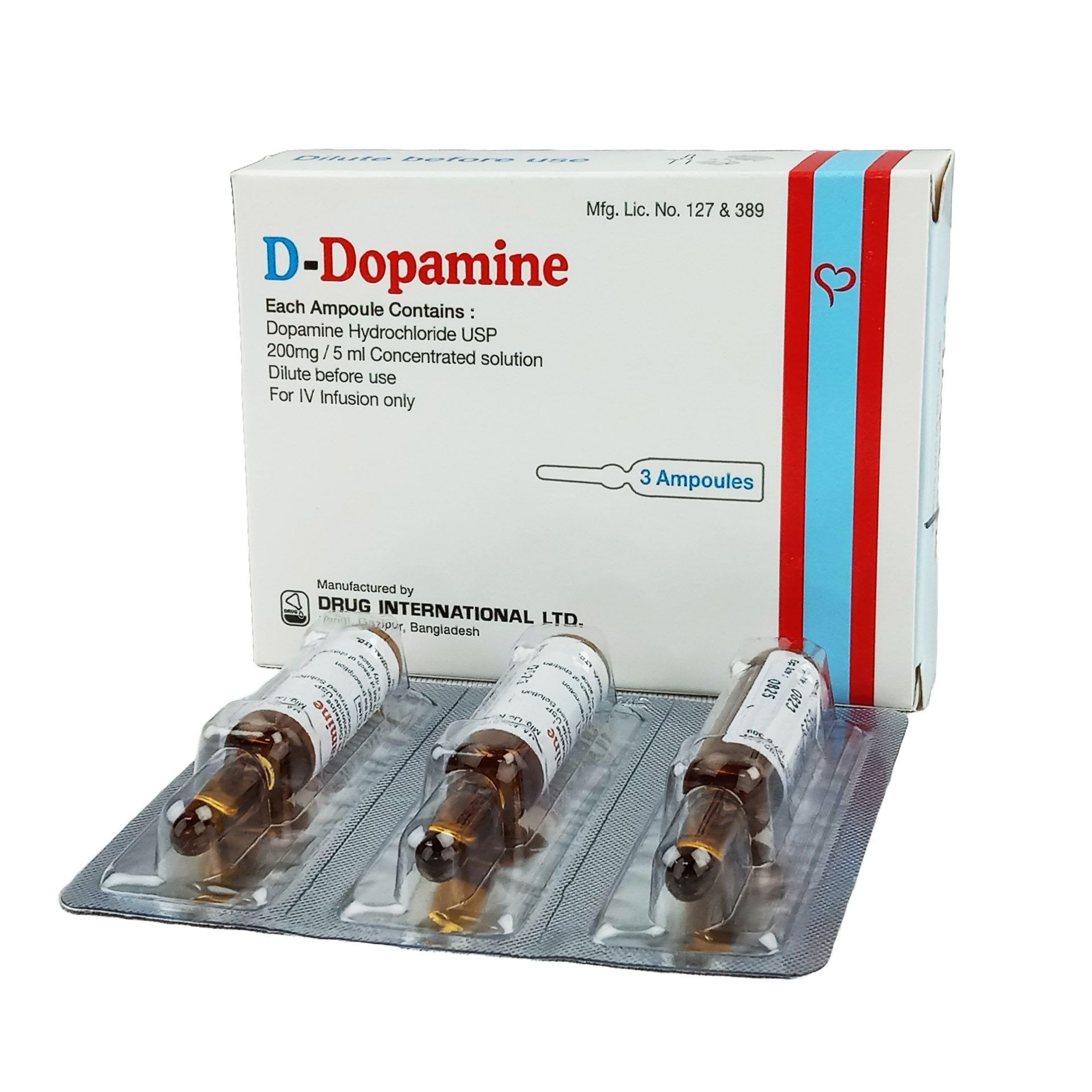
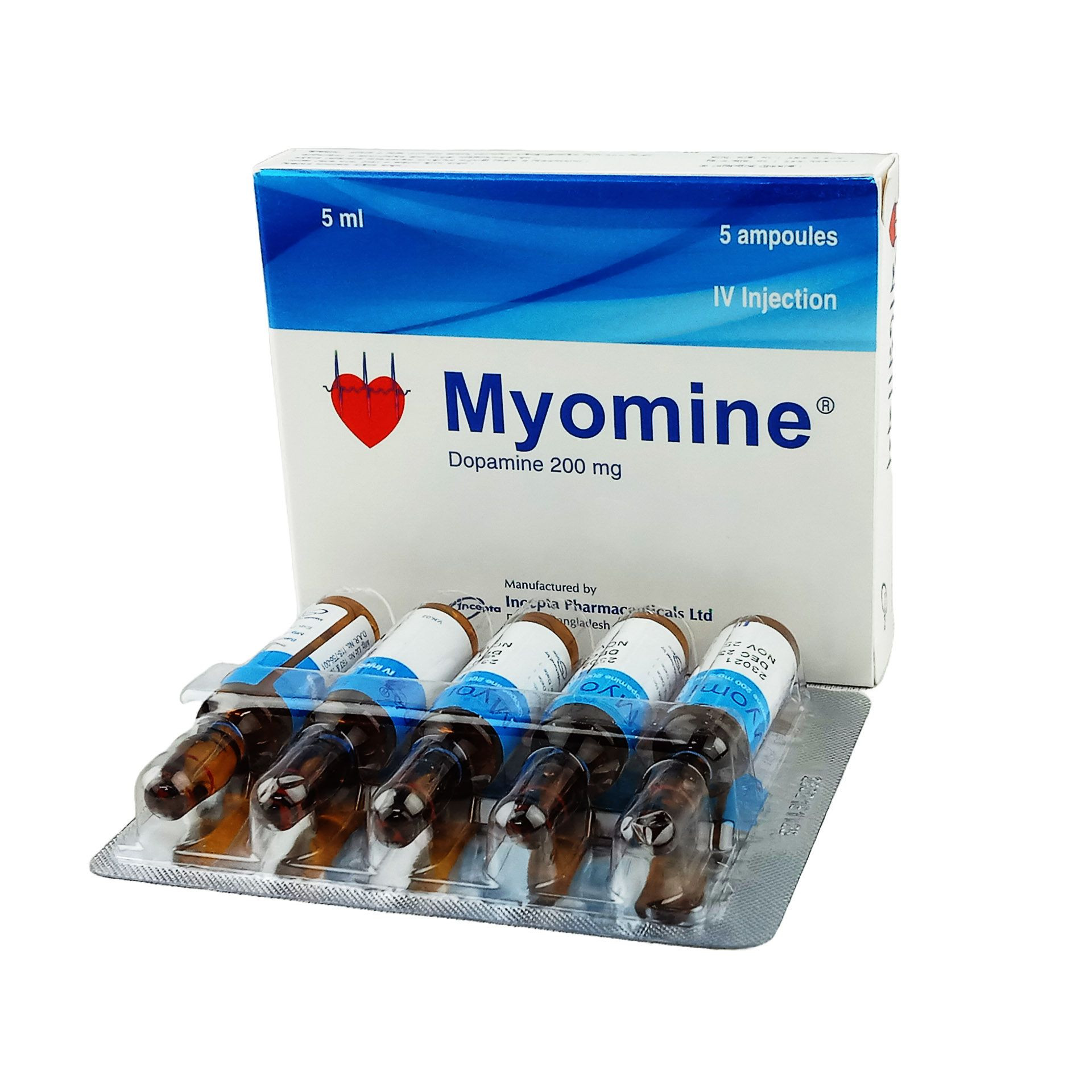
Cardopa is a medicine used for the treatment of low blood pressure due to heart attack, infection, heart surgery, or trauma. It is also useful in heart failure. It increases the blood pressure by increasing pumping capacity of the heart and improving blood flow in the body.
Cardopa also improves urine output and may help to prevent kidney failure in critically ill patients. It is administered under the supervision of a doctor as it requires continuous blood pressure monitoring. The dose has to be individually adjusted as per the patient’s response to the therapy. You should continue all your other medicines that are advised by the doctor for your long-term treatment even after this injection. Your doctor may advise for regular monitoring of blood pressure.
Side effects of this medicine include palpitations, tachycardia (increased heart rate), and headache. You must inform the doctor if you are suffering from any liver or kidney disease. Also, let your doctor know about all the other medications that you are using regularly.
Show less
- Heart failure
- Low blood pressure
- Flushing (sense of warmth in the face, ears, neck and trunk)
- Headache
- Increased heart rate
- Palpitations
-
It is given into the vein as a drip by a healthcare professional.
-
Regular monitoring of heartbeat, blood pressure, urine output, liver and kidney function is required while taking Cardopa.
-
Inform your doctor if you are pregnant, planning pregnancy or breastfeeding.
Hemodynamic Conditions
Treatment of hypotension, low cardiac output, poor perfusion of vital organs; used to increase mean arterial pressure in septic shock patients who remain hypotensive after adequate volume expansion
1-5 mcg/kg/min IV (low dose): May increase urine output and renal blood flow
5-15 mcg/kg/min IV (medium dose): May increase renal blood flow, cardiac output, heart rate, and cardiac contractitlity
20-50 mcg/kg/min IV (high dose): May increase blood pressure and stimulate vasoconstriction; may not have a beneficial effect in blood pressure; may increase risk of tachyarrhythmias
May increase infusion by 1-4 mcg/kg/min at 10-30 min intervals until optimum response obtained
Titrate to desired response
Show less
Hemodynamic Conditions
Treatment of hypotension
1-5 mcg/kg/min IV, increased to 5-20 mcg/kg/min; not to exceed 50 mcg/kg/min
Titrate to desired response
Show less
Shock secondary to MI, history of peripheral vascular disease. Correct hypovolaemia before infusion. History of occlusive vascular disease e.g, atherosclerosis, Raynaud’s disease, Buerger’s disease, diabetic endarteritis; disproportionate increase in diastolic pressure. Pregnancy.
Lactation: Unknown whether drug is excreted into breast milk; use caution
Show less
Cardiovascular: Ventricular arrhythmia, atrial fibrillation (at very high doses), ectopic beats, tachycardia, anginal pain, palpitation, cardiac conduction abnormalities, widened QRS complex, bradycardia, hypotension, hypertension, vasoconstriction
Respiratory: Dyspnea
Gastrointestinal: Nausea, vomiting
Metabolic/nutritional: Azotemia
Central nervous system: Headache, anxiety
Endocrine: Piloerection
Ocular: Increased intraocular pressure; dilated pupils
Gangrene of extremities has occurred when high doses were administered for prolonged periods or in patients with occlusive vascular disease receiving low doses of dopamine hydrochloride
Show less
Pregnancy category: C
Lactation: Unknown whether drug is excreted into breast milk; use caution
Show less


Reviews
Clear filtersThere are no reviews yet.