




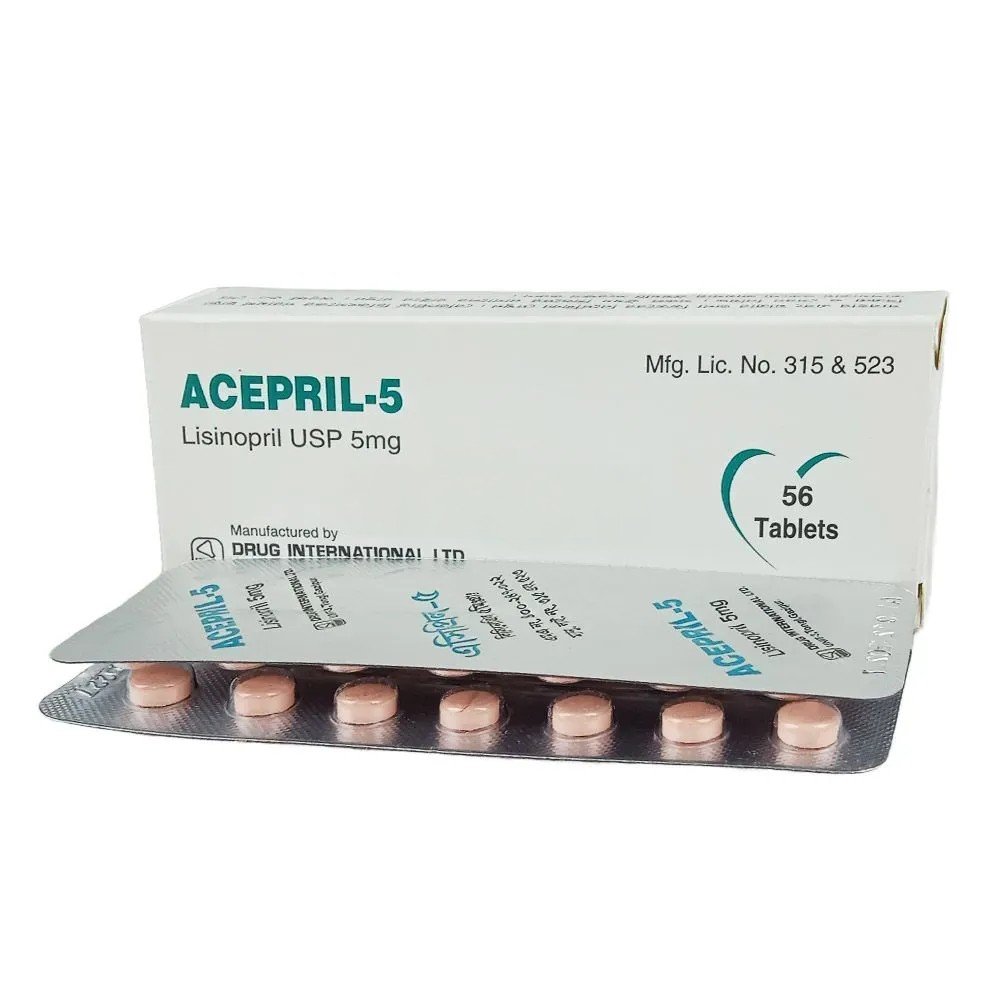
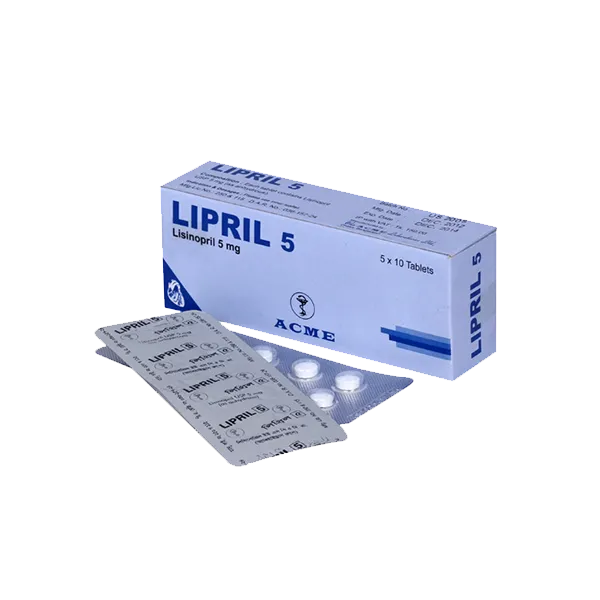
Medicine Overview of Nop 5mg Tablet
Nop belongs to a group of medicines known as angiotensin converting enzyme (ACE) inhibitor. It is widely used to treat high blood pressure and heart failure and may be prescribed after a heart attack. It also lowers the chances of having a heart attack or stroke.
Nop can be prescribed either alone or in combination with other medicines. It should be taken on an empty stomach. This medicine should be taken at the same time each day to get the most benefit. It is important to continue taking it regularly even if you feel well or even if your blood pressure is controlled. Most people with high blood pressure do not feel ill, but if you stop taking this medicine, your condition could get worse. This medicine is considered safe for long-term use.
Making some changes in your lifestyle will also help lower your blood pressure. These may include regular exercise, losing weight, smoking cessation, reducing alcohol intake, and reducing the amount of salt in your diet as advised by your doctor. The most common side effects of this medicine include feeling dizzy or drowsy, headache, dry cough, fatigue, nausea, vomiting, diarrhea, stomach pain, and low blood pressure. Most of these are temporary and resolve with time. Talk to your doctor if any of the side effects bother you or do not go away.
Before taking this medicine, let your doctor know if you have any kidney or liver problems. Pregnant or breastfeeding mothers should also consult their doctor before taking it. Your doctor may check your kidney function, blood pressure and potassium levels in your blood at regular intervals while you are taking this medicine.
- Hypertension (high blood pressure)
- Prevention of heart attack and stroke
- Heart failure
- Decreased blood pressure
- Cough
- Increased potassium level in blood
- Fatigue
- Weakness
- Dizziness
-
Nop can make you feel dizzy for the first few days, so rise slowly if you have been sitting or lying down. You can also prefer taking it at bedtime to avoid dizziness throughout the day.
-
Let your doctor know about any cough, or throat irritation that does not go away.
-
It may increase the level of potassium in blood. Avoid taking potassium supplements and potassium-rich foods such as banana and broccoli.
-
Inform your doctor if you are pregnant, planning pregnancy or breastfeeding.
Oral
Hypertension
Adult: Initially, 10 mg/day, 1st dose given preferably at bedtime to avoid precipitous fall in BP. Patient w/ renovascular HTN, volume depletion, severe HTN: Initially, 2.5-5 mg once daily.
Patient on diuretic: Initially, 5 mg once daily. Maintenance: 20 mg once daily, up to 80 mg/day may be given if needed.
Heart failure
Adult: As adjunct: Initially, 2.5 or 5 mg/day, increased by increments of >10 mg at intervals of at least 2 wk to max maintenance dose of 40 mg/day.
Post myocardial infarction
Adult: Initially, 5 mg once daily for 2 days started w/in 24 hr of the onset of symptoms. Increase to 10 mg once daily.
Patients w/ low systolic BP: Initially, 2.5 mg once daily.
Diabetic nephropathy
Adult: Hypertensive type 2 diabetics w/ microalbuminuria: 10 mg once daily, may increase to 20 mg once daily to achieve a sitting diastolic BP <90 mmHg.
Oral
Hypertension
Child: >6 yr Initially, 0.07 mg/kg, up to 5 mg once daily.
Hypertension
Renal impairment: Adult: CrCl <10 mL/min or on dialysis: Initially, 2.5 mg once daily. CrCl 10-30 mL/min: Initially, 2.5-5 mg once daily. CrCl 31-80 mL/min: Initially, 5-10 mg once daily. Dose can be adjusted up to max 40 mg once daily based on patient’s response. Child: Do not give if GFR <30 mL/min/1.73 m2.
CrCl (ml/min)
<10 Initially, 2.5 mg once daily.
10-30 Initially 2.5-5 mg once daily.
31-80 Initially, 5-10 mg once daily.
Hypovolaemia, hyperkalaemia, collagen vascular disease, valvular stenosis; before, during or immediately after anaesthesia, preexisting renal insufficiency, unilateral renal artery stenosis. Children <6 yr. Assess renal function. May impair ability to drive or operate machinery.
Lactation: Not known if excreted into breast milk; not recommended
>10%
Dizziness (5-12%)
1-10%
Cough (4-9%),Headache (4-6%),Hyperkalemia (2-5%),Diarrhea (3-4%),Hypotension (1-4%),Chest pain (3%),Fatigue (3%),Nausea/vomiting (2%),Kidney disease, of AMI patients (2%),Rash (1-2%)
<1%
Immune hypersensitivity reaction,Psoriasis,Angioedema of the face, lips, throat; intestinal angioedema,Anuria,Atrial tachycardia,Acute renal failure,Arthralgia,Alopecia,Atrial fibrillation,Bone marrow suppression,Cutaneous pseudolymphoma,Hypersomnia,Leukopenia,Mood changes,Pancreatitis,Skin infections
Potentially Fatal: Severe hypotension, angioedema.
May enhance hypotensive effect w/ diuretics. May increase risk of renal function deterioration and decrease antihypertensive effect w/ NSAIDs. May increase serum levels and toxicity of lithium. Increased risk of hyperkalaemia w/ K-sparing diuretics and K supplements. May increase nitritoid reactions of gold Na thiomalate.
Potentially Fatal: Increased risk of hypotension, hyperkalaemia and changes in renal function w/ aliskiren in patients w/ diabetes or renal impairment.

Reviews
Clear filtersThere are no reviews yet.