

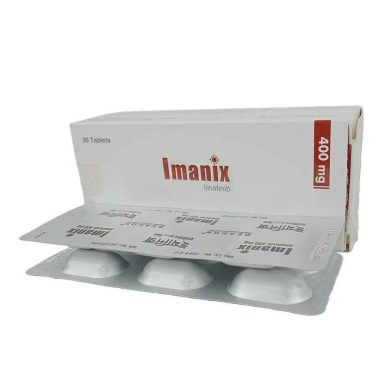


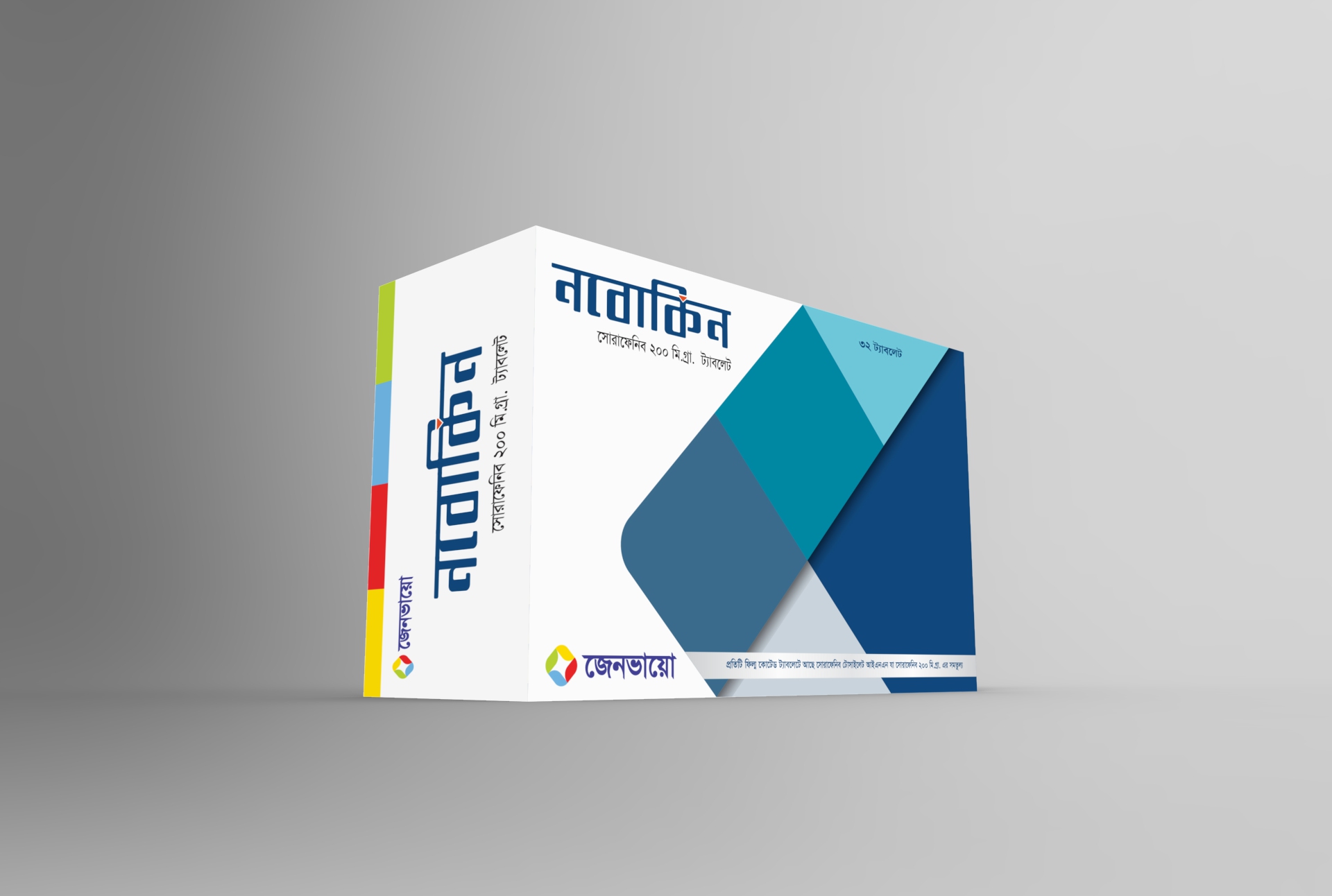
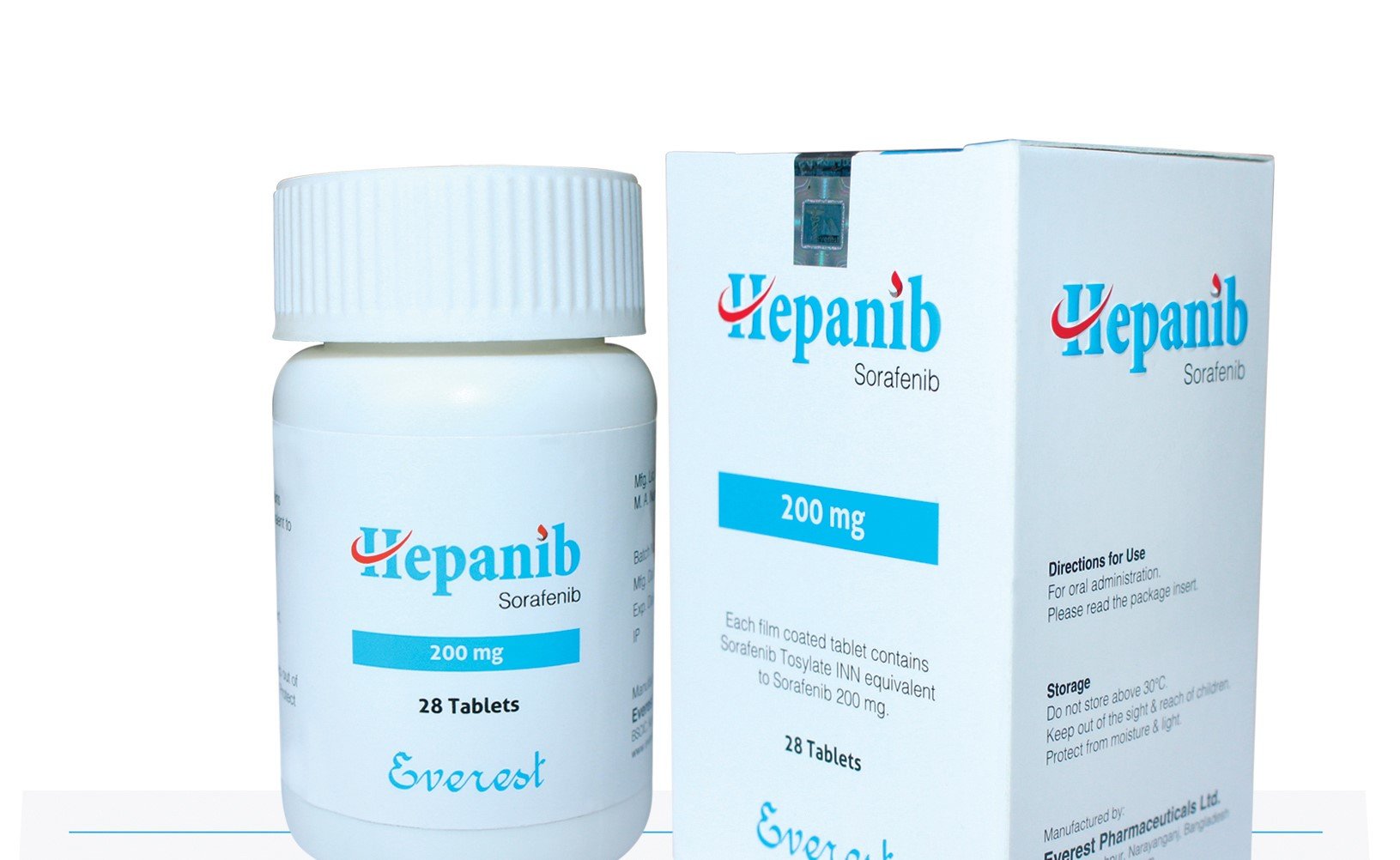
Medicine Overview of Soranix 200mg Tablet
Soranix 200 belongs to the class of medicines known as tyrosine kinase inhibitors used in the treatment of liver cancer, kidney cancer, and thyroid cancer.
Soranix 200 should be taken on an empty stomach, but try to have it at the same time every day to get the most benefits. Your doctor will decide what dose is necessary and how often you need to take it. This will depend on what you are being treated for and may change from time to time. You should take it exactly as your doctor has advised. Taking it in the wrong way or taking too much can cause very serious side effects. It may take several weeks or months for you to see or feel the benefits but do not stop taking it unless your doctor tells you to.
Fatigue, nausea, loss of appetite, hair loss and diarrhea are some common side effects of this medicine. It might cause high blood pressure, so the doctor may ask you for a regular check-up of blood pressure. You must inform your doctor if you notice severe skin reaction such as skin rash, or any pain, swelling, and redness of your hands and feet.
Before taking it, tell your doctor if you have heart disease, liver, or kidney problems or high blood pressure. Many other medicines can affect, or be affected by, this medicine so let your healthcare team know all medications you are using. This medicine is not recommended during pregnancy or while breastfeeding. The use of effective contraception by both males and females during treatment is important to avoid pregnancy.
- Liver cancer
- Kidney cancer
- Thyroid cancer
- Fatigue
- Nausea
- Loss of appetite
- Diarrhea
- Abdominal pain
- Hair loss
- Weight loss
- Rash
- Painful blisters on hands and feet
-
Soranix 200 is used in the treatment of liver, kidney, and thyroid cancer.
-
Take it without food, or with a low fat meal and a full glass of water.
-
Take it at the same time everyday to maintain consistent levels in your body.
-
Women who could get pregnant should use a reliable method of contraception to prevent pregnancy while taking this medicine.
-
Your doctor may regularly monitor your blood pressure while you are taking this medicine.
-
Inform your doctor if you get a skin rash, or any pain, swelling, and redness of your hands and feet while you are taking this medicine.
-
Do not change the dose or discontinue use without consulting your doctor.
Oral
Advanced renal cell carcinoma, Hepatocellular Carcinoma, Thyroid Cancer
Adult: 400 mg bid. May continue until patient is no longer responding or unacceptable toxicity occurs.
Hepatic Impairment
Mild to moderate: Dose adjustment not necessary
Severe hepatic impairment: Not studied
Safety and efficacy not established
Renal Impairment
Mild to moderate: Dose adjustment not necessary
Severe renal impairment: Not studied
Interrupt teatment if patient develops cardiac infarction, ischaemia and/or bleeding fatalities. Regular monitoring of BP, CBC and platelet is recommended. Monitor INR in patients who are on treatment with warfarin. Adequate contraception should be used during and for at least 2 wk after stopping treatment. May need to discontinue treatment if severe or persistent hypertension occurs.
Lactation: not known whether distributed in breast milk, discouraged
>10%
Thrombocytopenia (12-46%),Anemia (44%),Diarrhea (43%),Rash/desquamation (40%),Fatigue (37%),Abd pain (31%),Hand-foot skin reaction (30%),Weight loss (30%),Anorexia (29%),Alopecia (27%),Nausea (24%),Lymphopenia (23%),Neutropenia (18%),Hemorrhage (15-18%),Hypertension (9-17%),Vomiting (16%),Constipation (15%),Neuropathy (13%),Dry skin (11%)
1-10%
Headache (10%),Joint pain (10%),Congestive heart failure, MI (1.9%),QT prolonation (rare)
<1%
Acute renal failure,Angioedema and arrhythmia may occur,Bone pain reported
Frequency Not Defined
Stevens-Johnson Syndrome,Hyperthyroidism,Interstitial lung disease
Potentially Fatal: Bleeding fatalities. Hypertensive crisis.








Reviews
Clear filtersThere are no reviews yet.